
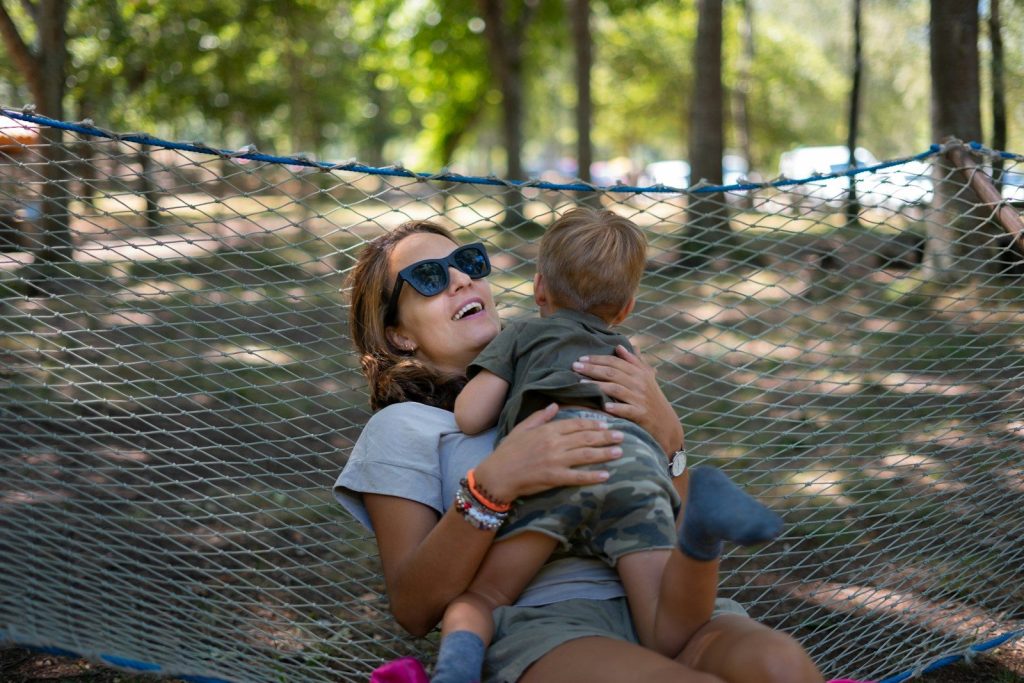
The arrival of a new baby changes everything in a parent’s life, but it should never mean hitting pause on your love for the great outdoors. Introducing your infant to the ambient rustle of pine trees, fresh mountain air, and natural twilight is incredible for their cognitive development and your own mental health post-partum.
However, running an outdoor perimeter with a baby under one year old requires a total shift from loose, casual camping to precise operational planning. Infants cannot effectively regulate their own body temperature, their immune systems are developing, and a simple cycle of continuous crying due to discomfort can rapidly exhaust parents in a remote zone.
The golden key to an unforgettable trip is leaning into the structural capacity of car camping. Since your trunk handles the payload, you can bring dedicated technical hardware to recreate a clean, temperature-regulated nursery right under the open sky.
Here is the professional, vetted engineering blueprint for camping comfortably with a baby, along with the top 5 infant camping upgrades available on Amazon.
The Infant Camp Safety & Logistics Matrix
| Focus Dimension | Major Operational Risk | Preventive Protocol | Key Technical Hardware |
| Thermal Defense | Hypothermia from night temperature drops | Layer via the +1 baseline rule | Wearable infant trail sleep sack |
| Transit Mobility | Parent joint fatigue & sun exposure | Secure mechanical chassis carrying | Premium structural child carrier |
| Sanitation Zone | Micro-bacterial dirt on bottles & pacifiers | Isolate water boils from stove systems | Dedicated titanium camping coffee pot |
| Perimeter Containment | Crawling into camp hazards or briars | Establish an elevated indoor/outdoor block | Portable hex-folding playpen |
Top 5 Infant Camping Gear Upgrades Vetted on Amazon
1. The Ultimate Backcountry Mobility Chassis: Osprey Poco LT Child Carrier
Trying to push a standard stroller over unpaved singletrack trails covered in exposed tree roots and sharp rocks is physically impossible. You need a dedicated technical carrying frame.
-
Why It Wins: Built with Osprey’s legendary anti-gravity mesh suspension system, the Poco LT transfers 100% of the baby’s weight directly down onto your hip belt, sparing your shoulders and lower lumbar spine. It features a built-in, rapidly deployable UPF 50+ sunshade that blocks harsh UV rays completely, keeping your infant cool during hot midday strolls in their protective UPF clothing.
2. The Ironclad Nighttime Thermal Armor: Morrison Outdoor Little Mo Baby Sleeping Bag
Standard, loose heavy blankets are a critical suffocation hazard inside a camping tent and are constantly kicked off by restless babies, leading to late-night hypothermia spikes.
-
Why It Wins: The Little Mo is a fully wearable, pediatrician-approved trail sleeping bag rated safely down to 40F (4C). Built from lightweight, high-loft synthetic insulation, it features closed quilted sleeves to keep tiny hands warm and a secure down-zipped collar that cannot slip up over the infant’s face or nose while sleeping on a high-insulated R-value pad.
3. The Sterile Multi-Purpose Oasis: Regalo My Cot Portable Toddler/Infant Bed
Placing your baby directly onto a cold, thin tent floor sheet or damp campsite grass exposes them to creeping moisture, biting insects, and internal tent dirt.
-
Why It Wins: Weighing only 4 pounds and folding flat within seconds, this elevated cot lifts your baby completely off the frozen or humid ground. It uses a heavy-duty all-steel frame construction lined with a washable canvas deck. It functions as a clean, designated changing table during the day and a perfect sleeping dock inside a large cabin tent screen room.
4. The Secure Outdoor Containment Shield: Summer Pop ‘N Play Portable Playpen
Once babies hit the crawling stage, they have an absolute magnet-like drive to investigate dirt, swallow dry leaves, and touch hot camp gear.
-
Why It Wins: The Pop ‘N Play provides a secure, freestanding, structural containment grid that sets up in 10 seconds. The floor is lined with weather-resistant canvas that blocks ground dampness, while the side walls are made of high-airflow protective mesh, allowing full convective cooling while keeping bugs and camp debris out of the baby’s immediate environment.
5. The Gentle Sanitizing Weapon: Medela Quick Clean Breast Milk Removal Soap
When camping, managing sticky milk residue, baby formula oils, and pacifier dirt without a household kitchen sink can rapidly lead to dangerous bacterial growth.
-
Why It Wins: This specialized, completely unscented biodegradable soap is clinically engineered to break down tough breast milk and formula proteins using cold or warm trail water. It requires no harsh rubbing or chemical sanitizers, letting you wash bottles completely clean 200 feet away from camp water sources using your primary canister gas stove lines.
3 Strategic Rules for Infant Camp Management
To maintain absolute safety and parental sanity under the open sky, integrate these three professional habits into your basecamp routine:
1. Implement the “+1 Layering Core” Thermal Protocol
Because infants are completely stationary inside a carrier or tent, they do not generate internal kinetic muscle heat through movement like hiking adults do. If you feel perfectly warm in a light fleece, your baby is likely shivering.
-
The Protocol: Always dress your infant in one additional layer of clothing than what you are comfortably wearing yourself. Start with a 100% synthetic or merino wool long-sleeve onesie base (never cotton!), add a high-loft midweight fleece jumpsuit, and seal the top layer with a wearable trail sleeping bag. Touch the back of your baby’s neck regularly: if it feels warm and dry, their core is perfectly balanced; if it feels damp, they are overheating and need a layer removed.
2. Lock Down the “White-Noise” Acoustic Air Lock
Developed state park campgrounds can frequently suffer from sudden ambient noise shocks—slamming car doors, cracking firewood, loud neighboring laughs, or early morning birds. These rapid spikes will violently startle an infant out of a deep sleep cycle.
-
The Protocol: Always pack a small, rechargeable, portable white-noise machine (or use a dedicated offline app on an old smartphone hooked to a lantern power bank). Place the device directly near the head of the baby’s sleeping dock inside the tent. The continuous, flat acoustic frequency acts as a protective buffer, absorbing exterior camp noises and preserving the infant’s deep sleep window.
3. Establish a Dedicated 3-Foot “Hot Zone” Radial Perimeter
When cooking breakfast or dinner for the family, your two-burner propane stove or camping fire pit becomes a high-risk zone for a mobile or carried infant. A sudden trip or a child reaching out can cause a catastrophic burn.
-
The Protocol: Create a visible, non-negotiable physical boundary. Draw a large 3-foot circular radius line in the dirt around your active camp stoves and fire pit. No child carriers are allowed within this zone while burners are running, and cooking tasks must be completed entirely by one parent while the other manages infant containment inside the mesh playpen shield.
FAQ: Resolving Parent Trail Uncertainties
Q: How do we handle dirty diaper disposal according to Leave No Trace principles?
A: Never, under any circumstances, bury dirty wet wipes or disposable diapers in the backcountry—they are filled with plastic polymers and synthetic gels that take centuries to degrade. As emphasized in our core guide on nighttime camping safety, dirty diapers generate powerful olfactory attractants for wildlife. Pack them inside individual scent-blocking ziplock bags, store them inside a hard-sided container away from your sleeping tent, and haul them out to a proper campground dumpster.
Q: How do I choose the safest campsite layout for a baby?
A: Avoid primitive, exposed backcountry sites for your first few trips. Always select a developed, level campground site located within a 15-minute drive of a small town or medical station. Choose a lot that offers thick afternoon tree shade to protect your high-airflow summer tent from solar cooking, and ensure you have direct proximity to a clean water tap facility to simplify daily washing tasks.
Final Thoughts
Taking your baby camping for the first time requires stepping out of your residential comfort zone, but the payoff is an incomparable family milestone. By replacing loose, dangerous bedding with specialized wearable trail sleeping bags like the Morrison Little Mo, anchoring your transit to a high-end Osprey carrier, and establishing strict thermal and hot-zone protocols, you take absolute command of the variables that cause parenting stress. Nature provides the ultimate serene white-noise machine—all you need to supply is a warm, dry structure and a protective barrier. Pack smart, align your parameters methodically, and experience the pure magic of family life under the stars!
Disclaimer: As an Amazon Associate, I earn from qualifying purchases. Monitor infant hydration levels closely in high heat, stay safe, leave no trace!