
Category
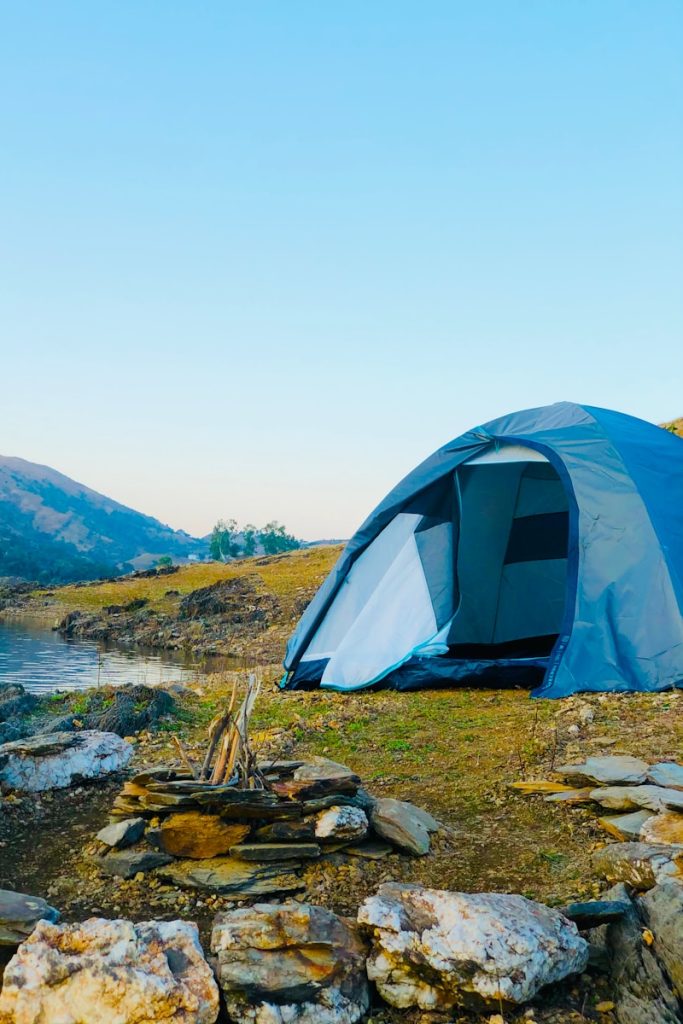
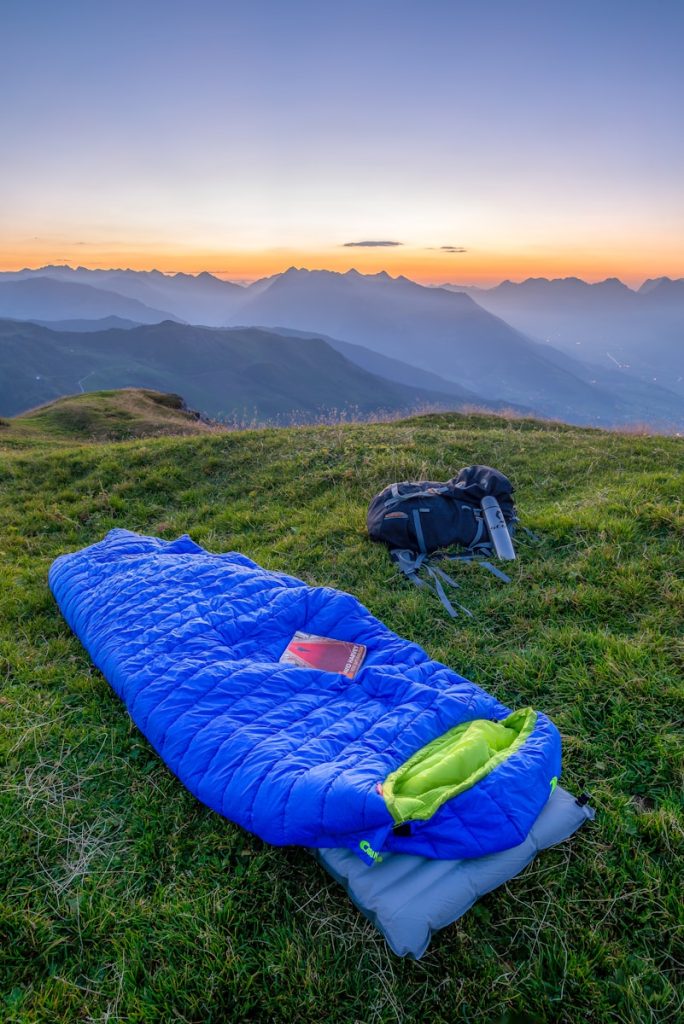
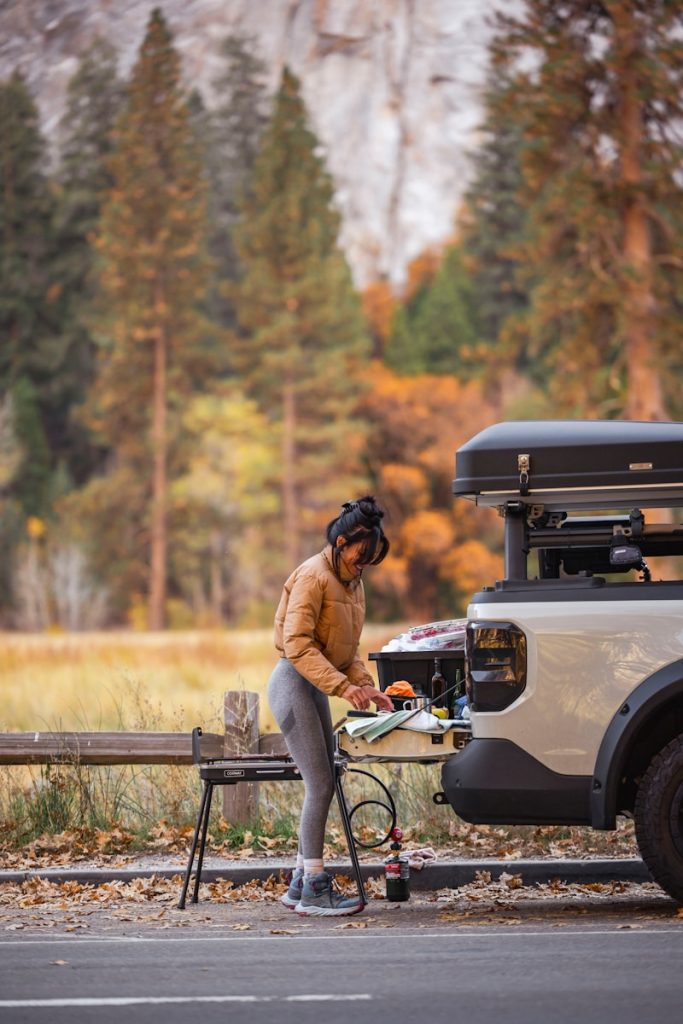
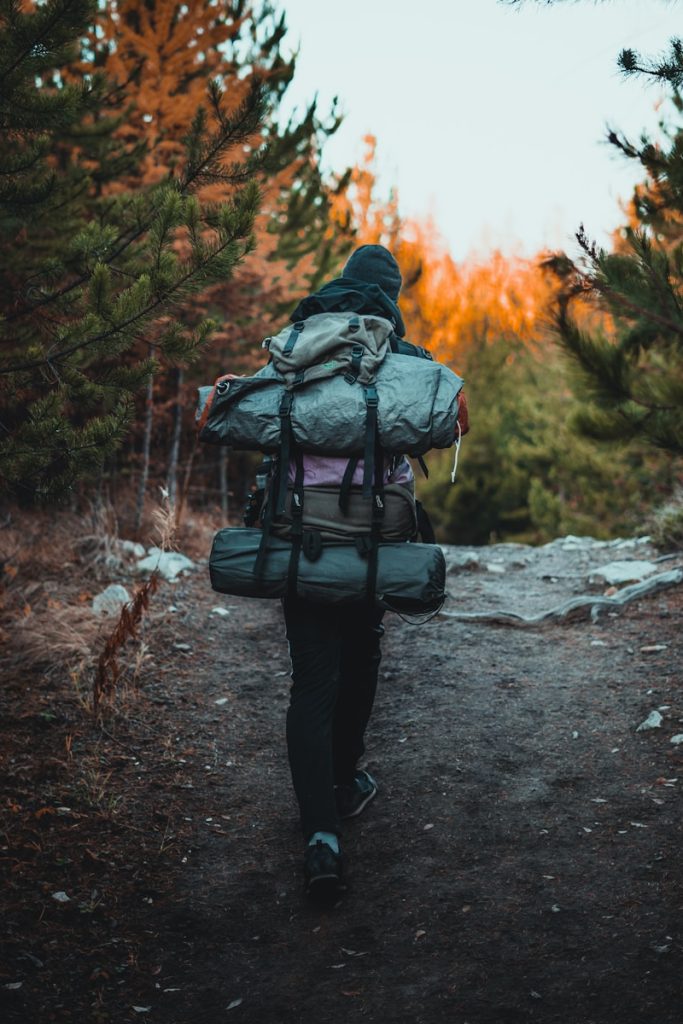
Start with the Basics: The Big 3.
Camping and hiking require reliable gear that makes outdoor adventures safe and enjoyable. First of all, it’s worth investing in a high-quality tent, as it protects you from wind, rain, and cold, and gives you a comfortable place to rest. An ergonomic and durable backpack is just as important — it helps distribute weight properly and allows you to carry everything you need without unnecessary strain. Finally, a warm and comfortable sleeping bag ensures good rest after a long day on the trail, keeping you dry and protected from low temperatures. Quality camping equipment is not just about comfort, but also about safety and confidence in the outdoors.
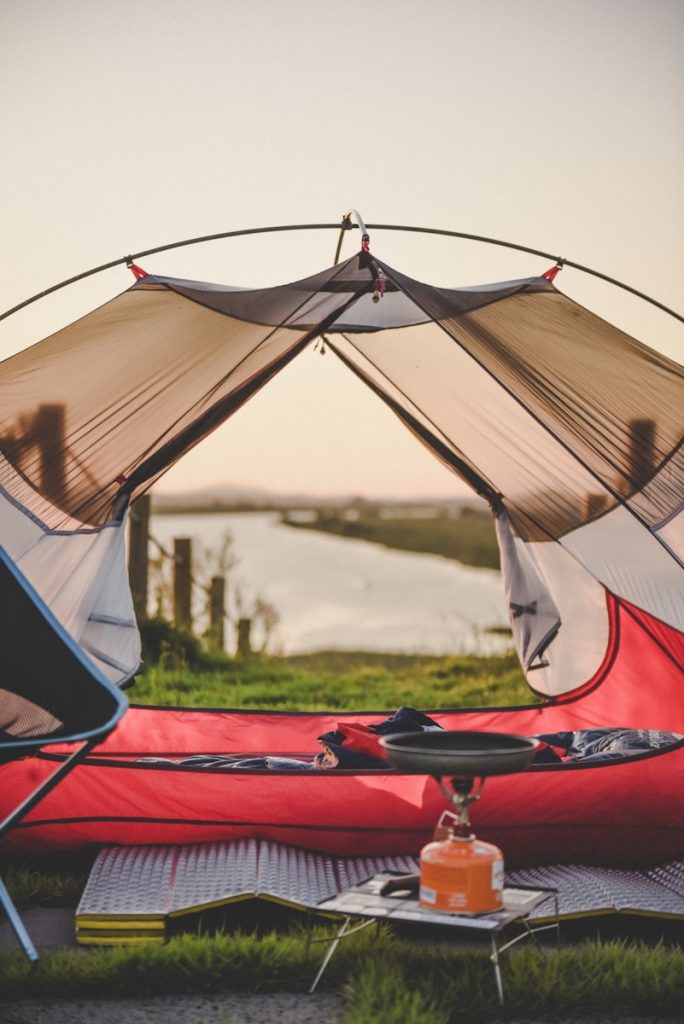
Our Top Picks
- How to Make Camping Fun for Kids: Vetted Outdoor Activities & Parental Blueprints
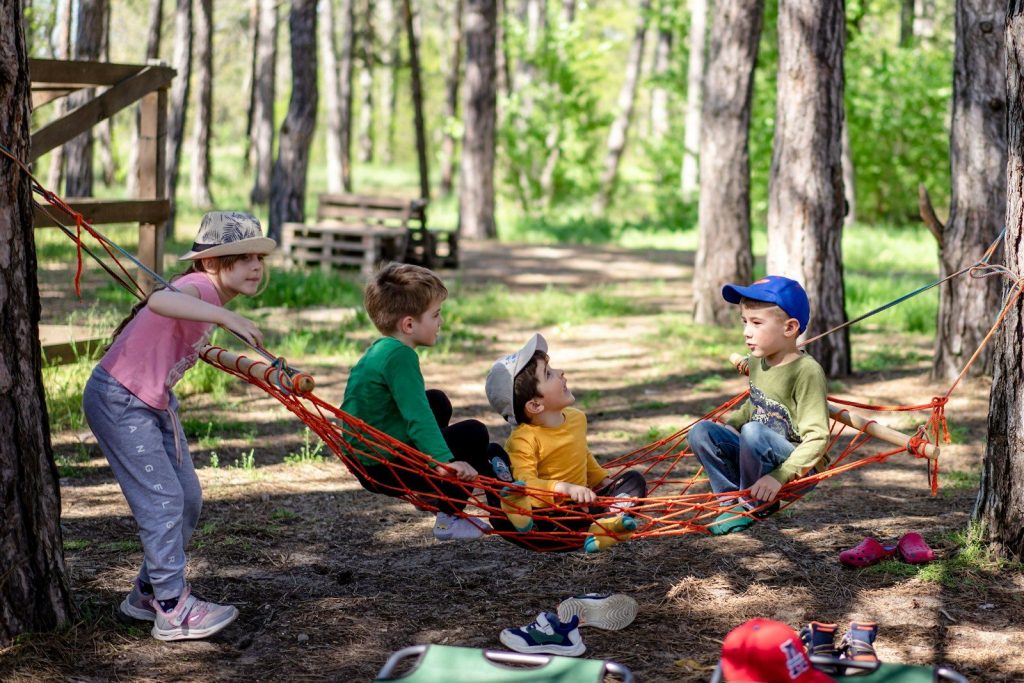 Taking your children on a wilderness camping trip is one of the most powerful ways to foster confidence, natural curiosity, and healthy physical habits away from digital screens. Watching your kids discover forest trails, build campfires, and sleep under a canopy of stars creates core childhood memories that last a lifetime. However, transitioning children from… Read more: How to Make Camping Fun for Kids: Vetted Outdoor Activities & Parental Blueprints
 - How to Keep Food Cold Without a Fridge: Off-Grid Thermal Management & Vetted Preservation Gear Guide
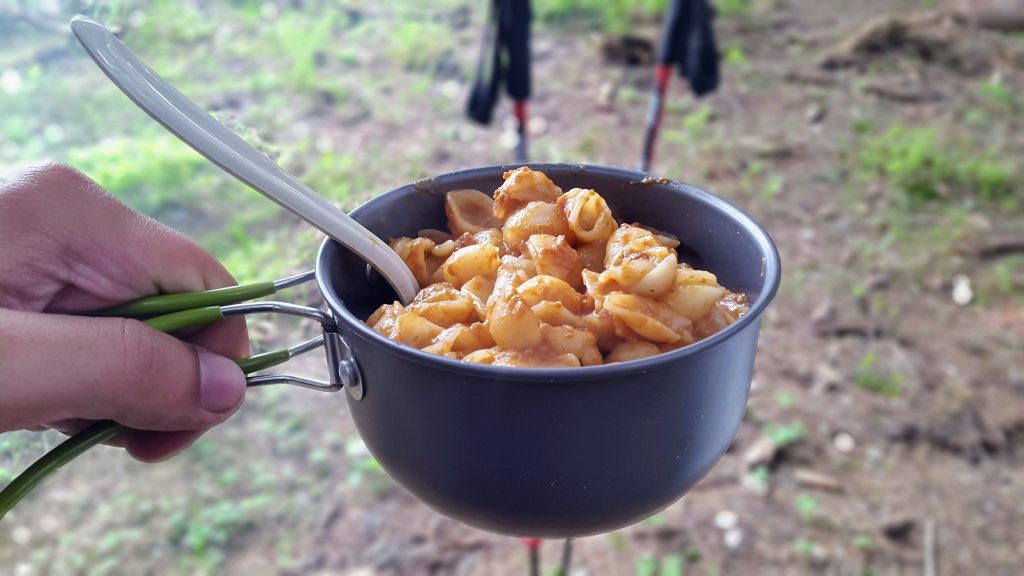 Embarking on extended camping trips, road trips through remote landscapes, or navigating extended home power outages is an exciting off-grid experience. However, managing food safety without electrical refrigeration introduces a critical thermal preservation challenge. Perishable food kept in the Danger Zone—between 40F (4C) and 140F (60C)—allows harmful bacteria to double in as little as 20… Read more: How to Keep Food Cold Without a Fridge: Off-Grid Thermal Management & Vetted Preservation Gear Guide
 - How to Avoid Hypothermia: Cold-Weather Survival Science & Essential Vetted Gear Guide
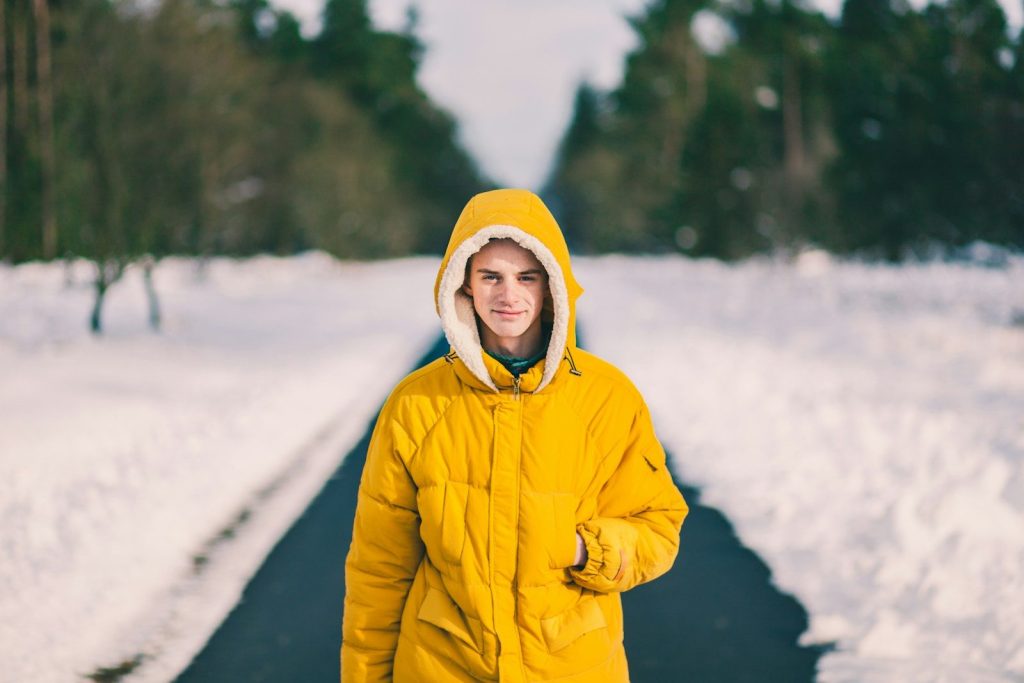 Venturing into cold, wet, or windy outdoor environments presents an immediate thermodynamic challenge to the human body. Hypothermia—a dangerous drop in core body temperature below 95F (35C)—can set in subtly, impairing physical coordination and mental clarity long before severe shivering starts. When exertion generates heavy sweat beneath tight clothing, moisture saturates your inner layers. The… Read more: How to Avoid Hypothermia: Cold-Weather Survival Science & Essential Vetted Gear Guide
 - How to Camp in National Parks: Vetted Logistics & Essential Gear Guide
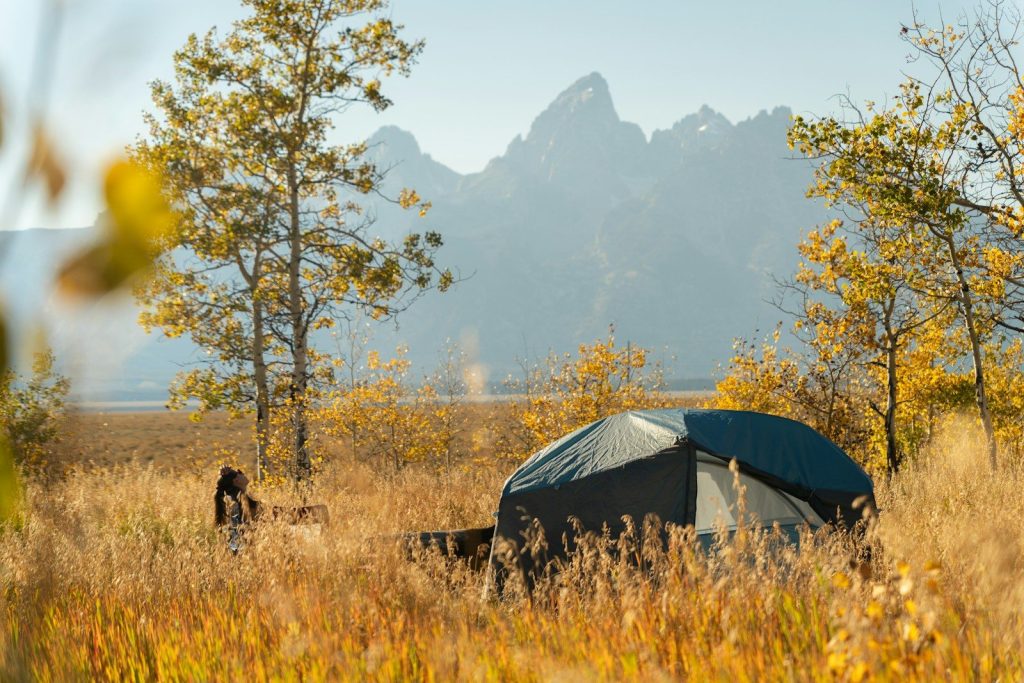 Stepping onto the historic grounds of a iconic National Park, surrounded by majestic granite peaks, ancient redwood forests, or deep sandstone canyons, is one of the most bucket-list-worthy outdoor experiences. However, planning a seamless camping trip in highly regulated public lands introduces a complex logistical challenge. When competing for high-demand campsite reservations or navigating unpredictable… Read more: How to Camp in National Parks: Vetted Logistics & Essential Gear Guide
 - Best Clothing for Winter Hiking: Vetted 3-Layer Thermal Apparel Guide
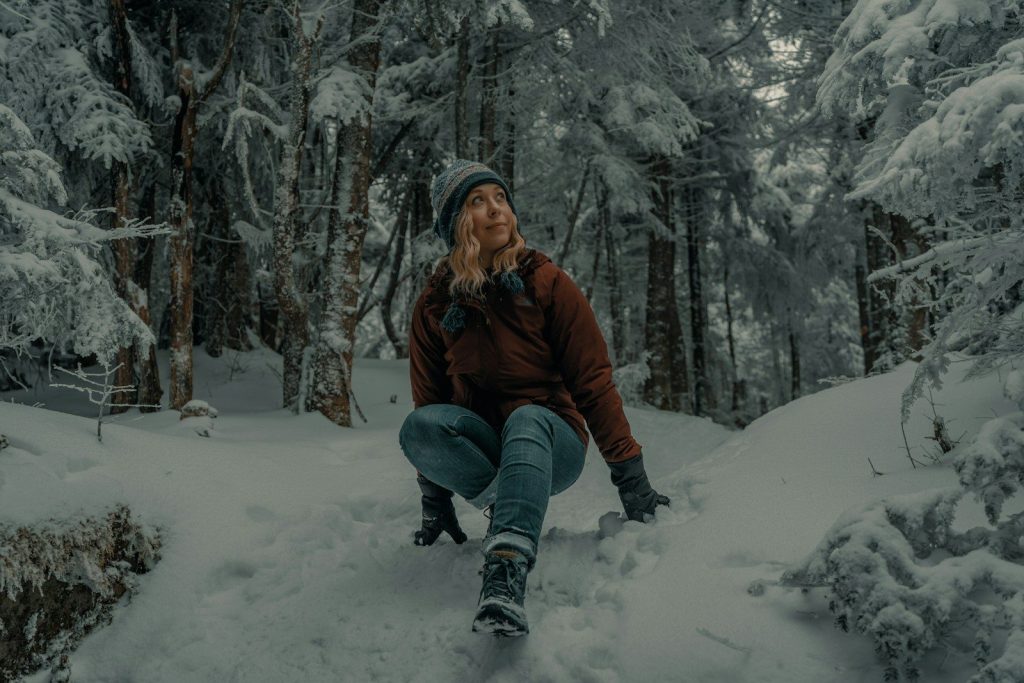 Stepping out onto a snow-covered wilderness trail in sub-zero temperatures is one of the most exhilarating experiences in the outdoor world. However, managing your body’s microclimate during a cold-weather trek introduces a complex thermodynamic challenge. When climbing steep, snow-packed switchbacks with a waterproof winter backpack, your body generates intense physical heat and sweat. But the… Read more: Best Clothing for Winter Hiking: Vetted 3-Layer Thermal Apparel Guide
 - Best Winter Hiking Boots: Vetted High-Traction Sub-Zero Footwear
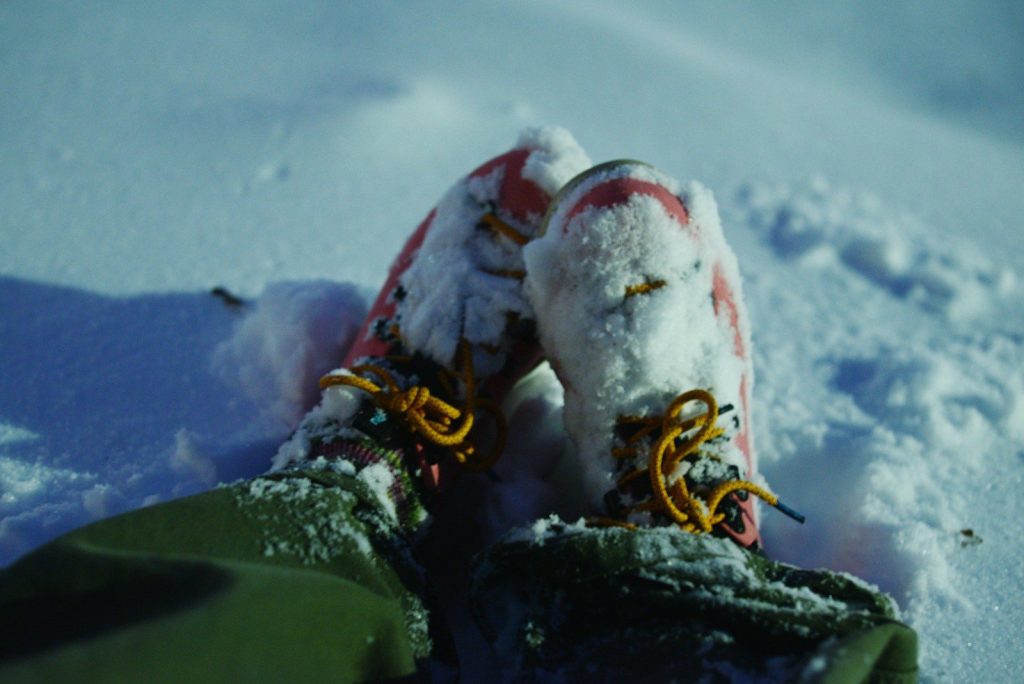 When stepping onto a snow-covered singletrack trail or scrambling across frozen alpine shale, your footwear is the absolute foundation of your safety. In cold-weather backcountry environments, a standard pair of 3-season budget hiking shoes introduces severe risks. Their soft rubber outsoles harden into slick plastic under freezing temperatures, their breathable mesh uppers let cold slush… Read more: Best Winter Hiking Boots: Vetted High-Traction Sub-Zero Footwear
FAQ
The most important piece of camping gear is a high-quality tent. A reliable tent protects you from rain, wind, insects, and cold temperatures, and it becomes your main shelter in the outdoors. Good ventilation, waterproof materials, and a sturdy construction are essential features to look for. A quality tent not only improves comfort but also ensures safety, especially in unpredictable weather conditions.
The cost of your first camping setup depends on how often you plan to camp and in what conditions. For beginners, it’s smart to focus on essential items rather than expensive extras. A reasonable budget for a basic but reliable setup is usually moderate, prioritizing a tent, a comfortable backpack, and a warm sleeping bag. Investing a bit more in these core items can save money in the long run, as quality gear lasts longer and performs better.
For your first camping trip, renting gear can be a good option if you are unsure how often you will camp in the future. Renting allows you to test different types of equipment without a large upfront investment. However, if you already know that camping will become a regular activity, buying your own gear is usually the better choice. Personal equipment fits better, feels more comfortable, and can be chosen specifically for your needs and preferences.