
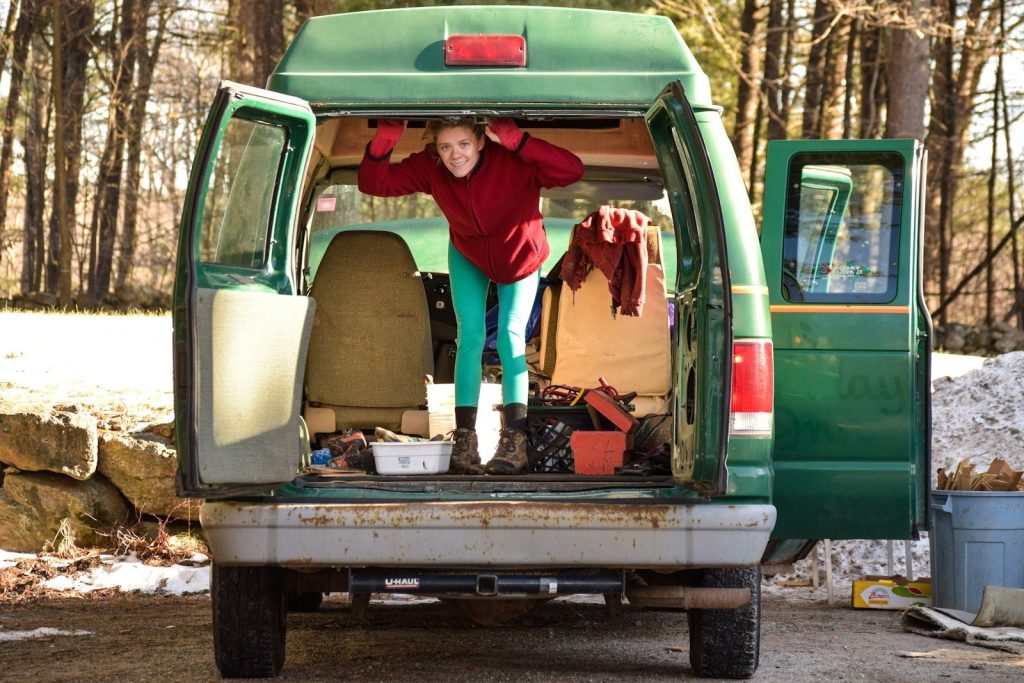
Introducing your children to the wonders of nature is one of the most rewarding experiences a parent can have. Watching them ditch their tablets and smartphones to catch fireflies, build stick forts, and roast their first marshmallows creates lifelong family memories.
However, transitioning from an adult-only expedition to a family trip presents unique operational and logistic challenges. Without a structured plan, a minor inconvenience like a sudden rain shower, a cold night, or a forgotten favorite toy can rapidly turn a dream weekend into a stressful survival exercise.
The secret to a flawless family trip lies in embracing the mechanical advantages of car camping. Because your vehicle handles the heavy lifting, you can pack for maximum residential comfort, safety, and entertainment.
Here is the professional, vetted blueprint for successfully managing a family campsite, along with the top 5 family camping upgrades available on Amazon.
The Family Basecamp Logistics & Comfort Matrix
| Focus Category | Potential Camp Crisis | Prevention Protocol | Key Piece of Hardware |
| Sleeping Comfort | Midnight cold snaps & restlessness | Use insulated pads & joined beds | Double sleeping bag / Air mattress |
| Camp Hygiene | Muddy footprints inside the tent | Create a multi-stage mudroom zone | Heavy-duty outdoor tarp / Utility rug |
| Site Safety | Getting lost or tripping after dark | Deploy high-visibility ambient lighting | Glow sticks / Multi-mode headlamps |
| Power & Tech | Dead devices, safety phones, or pumps | Maintain a dedicated camp power hub | Portable power station (Anker/Jackery) |
Top 5 Family Camping Upgrades Vetted on Amazon
1. The Ultimate Family Mansion: Coleman WeatherMaster 6-Person Tent with Screen Room
If you are camping with multiple children, a cramped low-profile dome tent will quickly lead to arguments and chaotic clutter. You need a shelter that mimics a multi-room house.
-
Why It Wins: The WeatherMaster features a massive 6-foot 8-inch center height, allowing adults to stand completely upright with room to spare. It includes a dedicated, floorless screen room that acts as a bug-free porch during the day and a secure mudroom to strip off dirty hiking boots before stepping into the main sleeping quarters.
2. The Shared Cozy Sleeping Solution: Kelty Tru.Comfort Doublewide Sleeping Bag
Children often struggle to sleep soundly when isolated in individual, restrictive mummy-style sleeping bags inside a dark tent. A shared family bed setup minimizes nighttime anxiety.
-
Why It Wins: This oversized doublewide bag fits perfectly on a queen-sized camping air mattress. It features an ingenious dual-layer independent ventilation system, allowing warm-sleeping kids to stick their feet out while parents stay fully bundled underneath an independent blanket layer.
3. The Central Entertainment & Safety Hub: Jackery Portable Power Station Explorer 300
While the goal of camping is to unplug, having access to electricity is a vital safety cushion when traveling with toddlers or young kids who need routine and comfort.
-
Why It Wins: This compact, completely silent lithium power bank can run portable white-noise machines for restless toddlers, charge rechargeable camping lanterns, power electric pumps for air beds, and keep tablets alive for a peaceful movie night inside the tent during an unexpected summer afternoon thunderstorm.
4. The Camp Kitchen Organization Master: GCI Outdoor Slim-Fold Cook Station
Cooking dinner for a hungry family while bending over a low picnic table or balancing a hot two-burner propane stove on a cooler is a recipe for spills and accidents.
-
Why It Wins: This heavy-duty, fold-out steel kitchen counter provides a dedicated aluminum tabletop for your hot camping stove, dual side tables for food prep, and specialized lower wire shelves to keep sharp utensils, clean plates, and family food supplies completely out of reach of curious toddlers.
5. The Fun & High-Visibility Safety Trackers: Nite Ize BugLit LED Micro Lanterns
Keeping track of multiple moving children when the sun goes down is the biggest psychological stressor for camping parents.
-
Why It Wins: These adorable, spider-legged micro LED lights feature flexible rubber legs that can wrap securely around a child’s belt loop, zipper pull, or backpack strap. They emit a bright, highly visible colored glow, allowing you to instantly spot your children’s positions from across a dark campground.
3 Golden Rules for Managing a Family Campsite
1. Establish a Strict “No-Shoes-Inside-The-Tent” Air Lock
Kids have a natural radar for finding mud, pine needles, and dust. If they run in and out of the sleeping tent wearing their shoes, your bedding will be covered in debris within hours, destroying nighttime comfort.
-
The Pro Protocol: Lay down a heavy-duty utility tarp directly in front of your tent door. Place a large plastic bin inside the tent vestibule. Children must sit down on the outdoor mat, strip off their muddy footwear, and place them directly into the bin before their feet ever touch the interior tent fabric.
2. Practice the “First-Time” Backyard Dress Rehearsal
Never arrive at a state park campsite at 6:00 PM on a Friday with brand-new, unboxed gear and expects things to go smoothly. Your kids will be hungry, you will be stressed, and trying to read tent assembly manuals in twilight is a nightmare.
-
The Pro Protocol: Set up your entire campsite layout—tent, sleeping pads, and lights—directly in your backyard or a nearby park a week before the trip. Let your kids spend an afternoon playing inside the tent. This breaks in the gear, tests for missing components, and removes any unfamiliar fear of the tent space.
3. Pack a Dedicated “Quick-Access” Arrival Kit
When you pull up to your campsite after a long drive, the kids will be restless and bursting with pent-up energy. If you have to dig through the entire trunk to find a flashlight, snacks, or rain jackets, chaos will ensue.
-
The Pro Protocol: Pack a clear, heavy-duty plastic bin labeled “Arrival Kit” and load it into your vehicle last so it sits right at the tailgate. Inside, place wet wipes, immediate healthy snacks, bug spray, full water bottles, a first-aid kit, and your children’s protective UPF sun hoodies.
FAQ: Resolving Family Camp Hesitations
Q: What is the best age to take children camping for the first time?
A: There is no “perfect” age, but ages 3 and up tend to be the sweet spot where kids can walk confidently, follow simple safety rules around a campfire, and actively participate in camp chores like collecting small sticks for firewood or setting up chairs. For infants and toddlers, closer supervision is required, making a site with proximity to a clean car camping bathroom facility highly recommended.
Q: How do we handle bathroom breaks at night without leaving the tent?
A: As highlighted in our nighttime camping safety guide, walking through a dark forest at 2:00 AM with a groggy child can lead to slips and falls. For younger children, pack a portable, seals-tight toddler travel potty and keep it directly inside the tent corner or vestibule area. This eliminates midnight campground navigation entirely and keeps everyone safe and warm.
Final Thoughts
Car camping with your kids doesn’t have to feel like an exhausting chore. By shifting your focus toward a sprawling, comfortable basecamp setup like the Coleman WeatherMaster, securing a cozy shared bed, and keeping your site bright and organized, you take full control of the variables that cause trail stress. Nature provides the ultimate playground—all you need to supply is a warm, dry structure and a reliable family routine. Pack smart, involve your kids in the process, and step confidently into your next great outdoor family tradition!
Disclaimer: As an Amazon Associate, I earn from qualifying purchases. Protect your family, leave no trace, explore together!