
Category
The 10 Essentials
Navigation
Sun protection
Insulation
Illumination
First-aid
Fire
Repair kit
Nutrition
Hydration
Emergency shelter
Our Top Picks
- Best Clothing for Winter Hiking: Vetted 3-Layer Thermal Apparel Guide
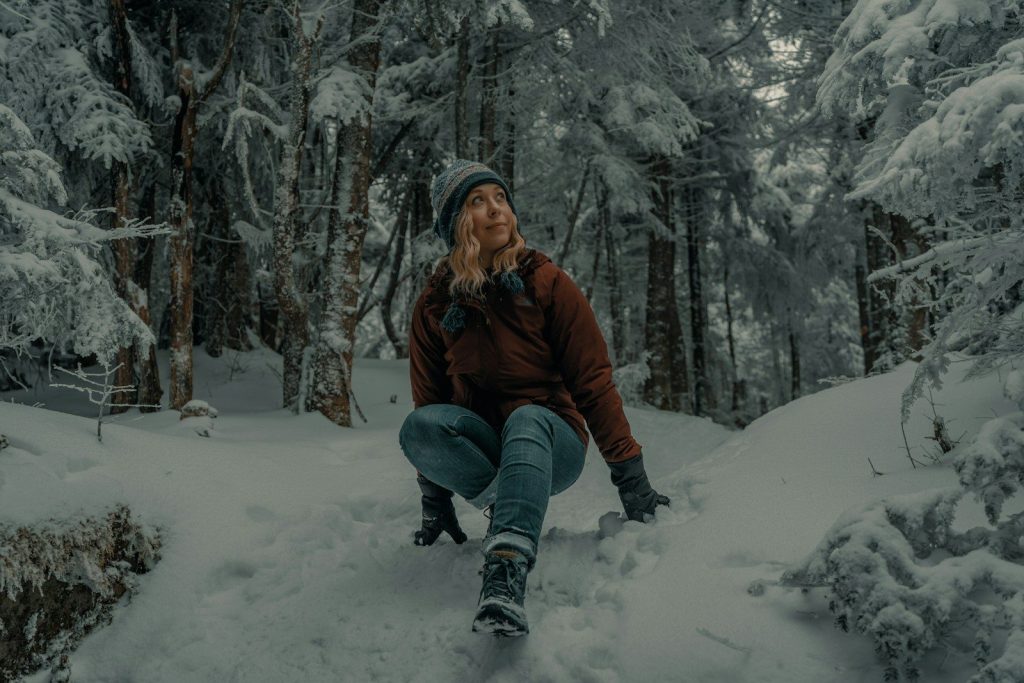 Stepping out onto a snow-covered wilderness trail in sub-zero temperatures is one of the most exhilarating experiences in the outdoor world. However, managing your body’s microclimate during a cold-weather trek introduces a complex thermodynamic challenge. When climbing steep, snow-packed switchbacks with a waterproof winter backpack, your body generates intense physical heat and sweat. But the… Read more: Best Clothing for Winter Hiking: Vetted 3-Layer Thermal Apparel Guide
 - Best Winter Hiking Boots: Vetted High-Traction Sub-Zero Footwear
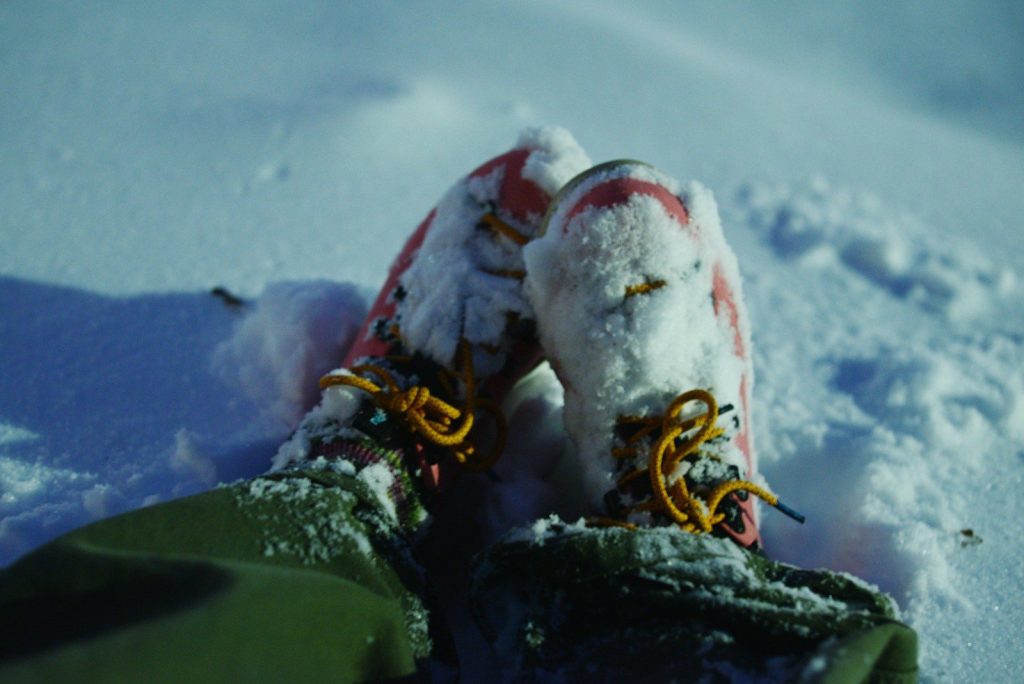 When stepping onto a snow-covered singletrack trail or scrambling across frozen alpine shale, your footwear is the absolute foundation of your safety. In cold-weather backcountry environments, a standard pair of 3-season budget hiking shoes introduces severe risks. Their soft rubber outsoles harden into slick plastic under freezing temperatures, their breathable mesh uppers let cold slush… Read more: Best Winter Hiking Boots: Vetted High-Traction Sub-Zero Footwear
 - Best Carry-On Backpacks for Travel: Vetted One-Bag Airport Fortresses
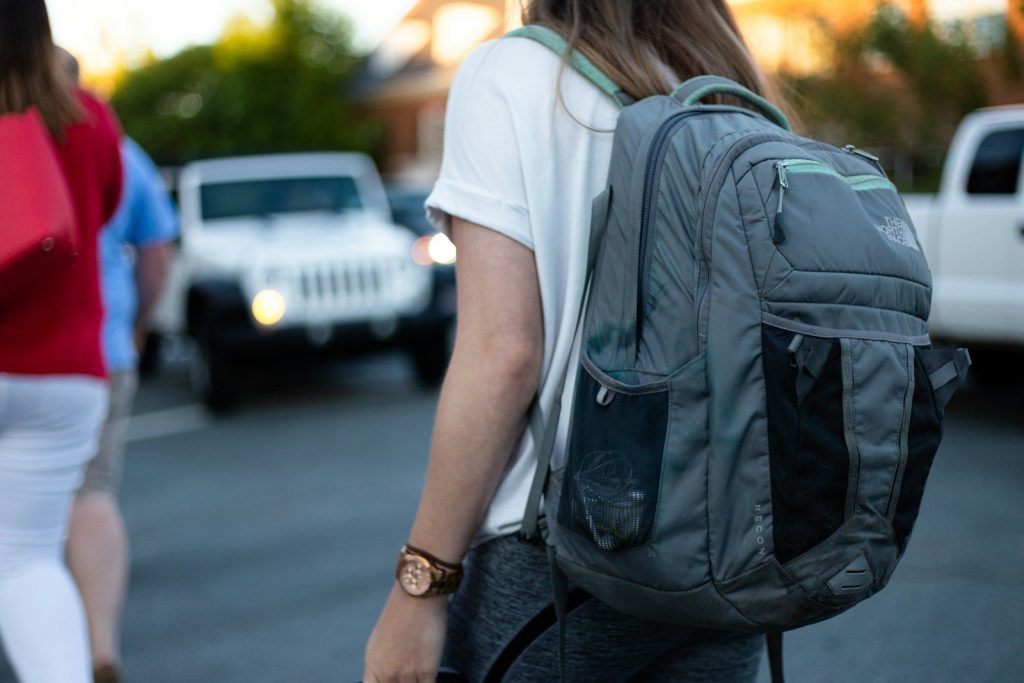 Navigating modern international airports and transit hubs with a bulky rolling suitcase is becoming an outdated, high-friction logistics choice. Dragging tiny wheels over cobble-stone European streets, lifting heavy hard-shell bags up narrow hostel staircases, and paying exorbitant checked-bag fees to budget airlines can quickly drain the joy out of your journey. The ultimate solution adopted… Read more: Best Carry-On Backpacks for Travel: Vetted One-Bag Airport Fortresses
 - Best Hats for Hiking: Vetted Sun-Shielding Headwear for Hot Trails
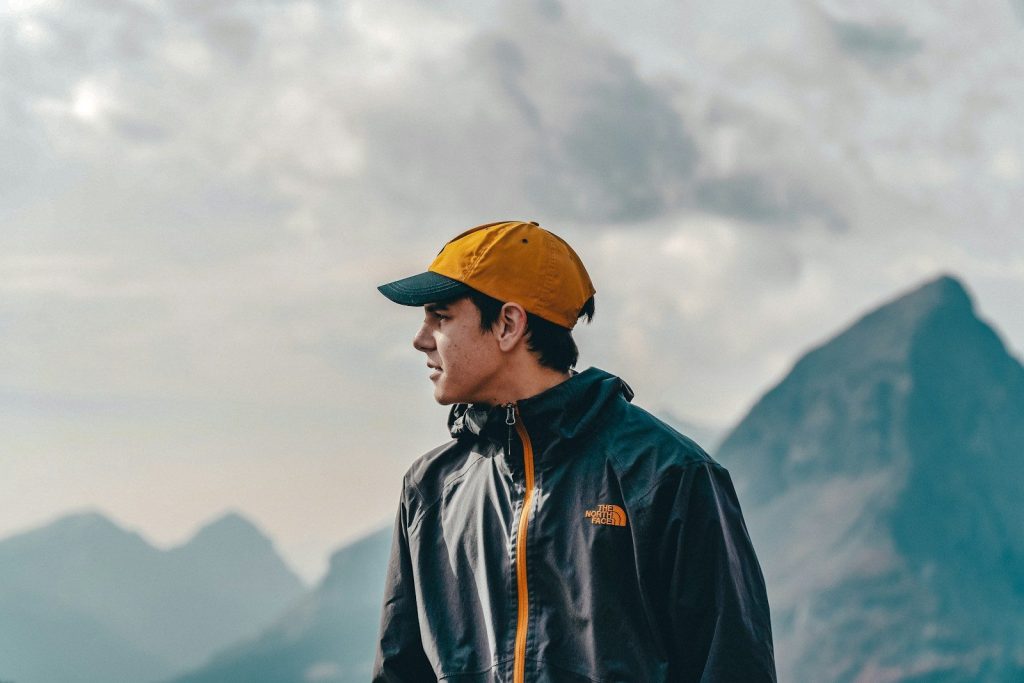 When assembling a technical outdoor wardrobe, most hikers meticulously calculate the moisture-wicking capacity of their budget-friendly synthetic shirts and the traction grip of their hiking shoes. But they often treat headwear as a casual afterthought, grabbing a standard cotton baseball cap on their way out the door. In the backcountry, a basic baseball cap is… Read more: Best Hats for Hiking: Vetted Sun-Shielding Headwear for Hot Trails
 - Best Budget Hiking Shoes: Vetted High-Traction Trail Footwear
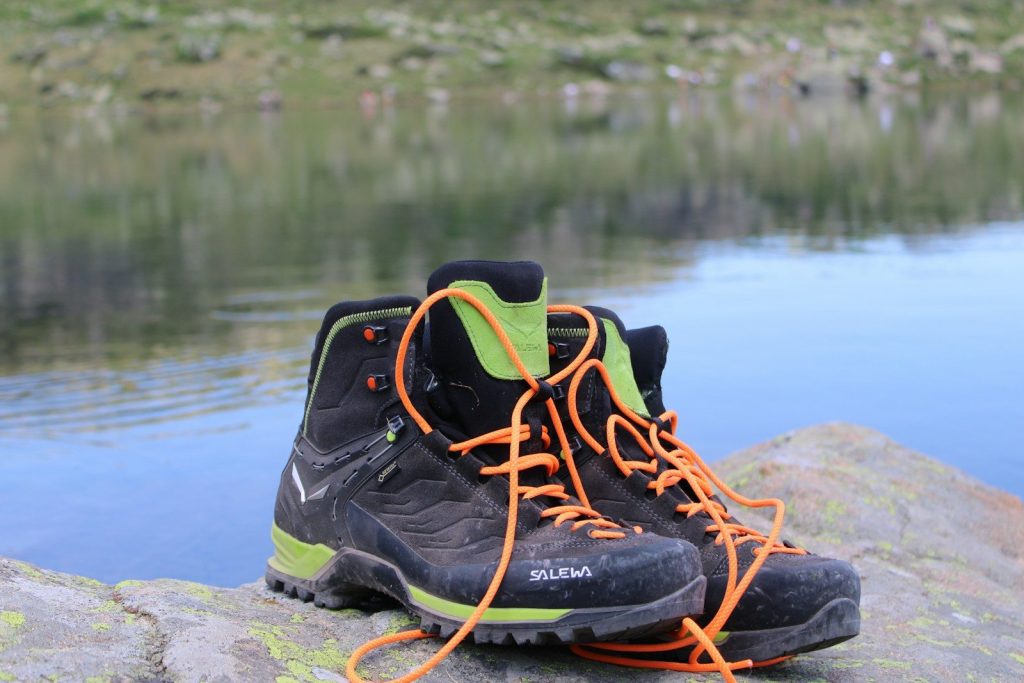 When upgrading or assembling your outdoor gear inventory, your choice of footwear is the single most critical factor that dictates whether your trip will be an unforgettable adventure or a painful, blister-filled nightmare. Every mile you log puts intense kinetic pressure on your feet, and technical terrain demands split-second traction to prevent slips, ankle rolls,… Read more: Best Budget Hiking Shoes: Vetted High-Traction Trail Footwear
 - Best Backpacks for Camera Gear: Vetted Storm-Proof Transport Systems for Creators
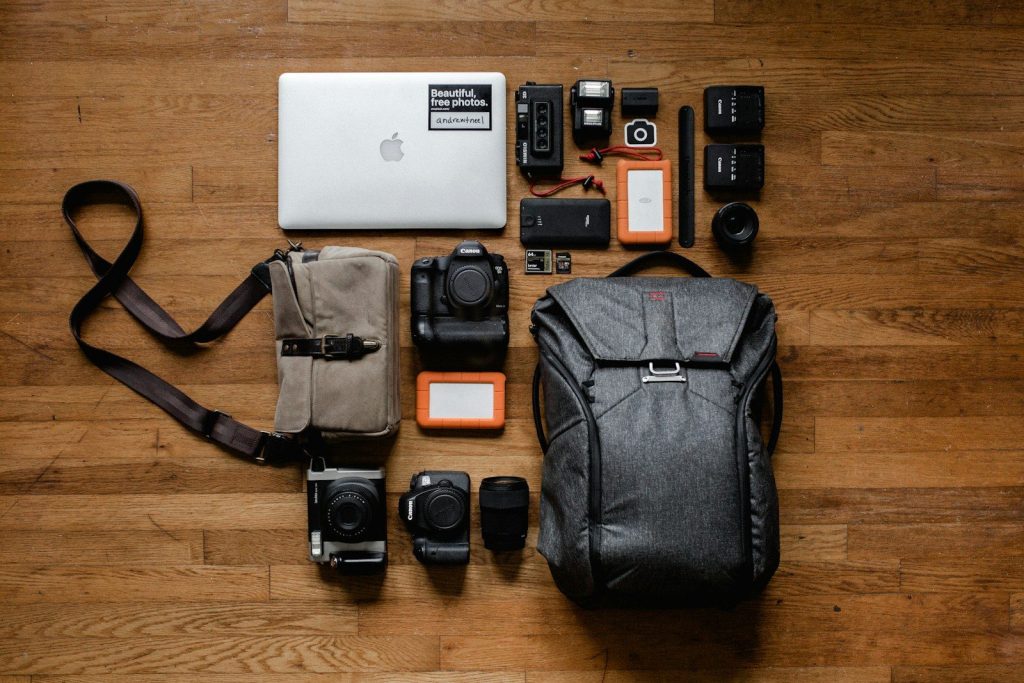 For outdoor photographers, filmmakers, and content creators, hiking into a remote wilderness perimeter introduces a brutal equipment paradox. To capture high-end, gallery-quality landscape prints or cinematic 4K B-roll, you must haul an incredibly heavy, fragile, and astronomically expensive payloads of glass and electronics. Between mirrorless bodies, fast $f/2.8$ telephoto lenses, carbon-fiber tripods, drones, and stabilizer… Read more: Best Backpacks for Camera Gear: Vetted Storm-Proof Transport Systems for Creators
FAQ
Hiking usually refers to shorter trips that last a few hours or a single day, where you return home or to your campsite the same day. The focus is mainly on walking, enjoying nature, and carrying only light essentials such as water, snacks, and extra clothing. Backpacking, on the other hand, involves multi-day trips where you carry everything you need on your back, including a tent, sleeping bag, food, and cooking equipment. Because of this, backpacking requires more planning, physical endurance, and specialized gear.
A good general rule is that a fully loaded backpacking pack should weigh no more than 20–25% of your body weight. Lighter packs are always more comfortable and reduce strain on your back, knees, and shoulders. Beginners often start with heavier packs, but with experience and better gear choices, it becomes easier to reduce weight. Focusing on lightweight, high-quality equipment and packing only what you truly need makes a big difference on longer hikes.
Trail runners and hiking boots each have their advantages, and the best choice depends on the terrain and personal preference. Trail runners are lighter, more flexible, and dry faster, making them popular for long distances and well-maintained trails. Hiking boots offer more ankle support, durability, and protection, which can be important on rocky, muddy, or uneven terrain. For many hikers, trail runners are more comfortable, while others prefer the stability and support of traditional hiking boots.