
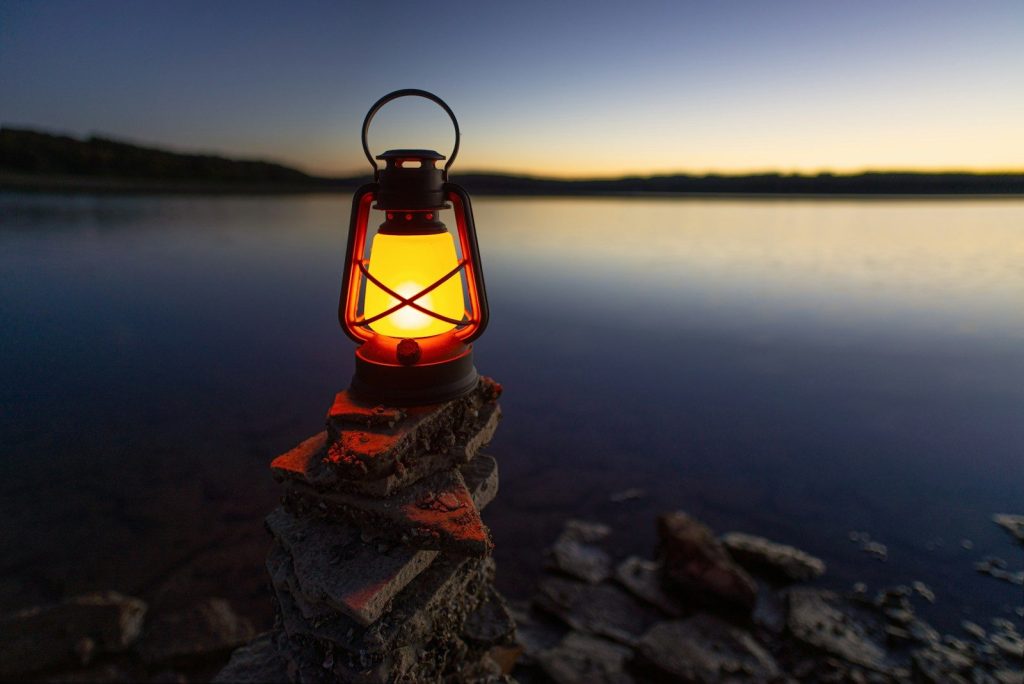
When the sun drops below the horizon and the wilderness is plunged into total pitch darkness, your lighting gear becomes your most critical interface with your surroundings. It dictates how safely you can chop firewood, how effectively you can read your topographic trail maps, and how smoothly you can navigate a late-night bathroom run without tripping over a raw tree root.
The outdoor lighting market is fundamentally anchored by two distinct optical designs: The Stationary Camping Lantern and The Wearable Headlamp. Choosing the wrong tool can leave you blind on a technical, fast-moving night trail, or cause you to constantly blind your companions around the camp table with a harsh, focused laser-like beam.
To help you optimize your nighttime illumination strategy, let’s break down the mechanics, optical physics, and trail ergonomics of lanterns versus headlamps.
The Wilderness Illumination Performance Matrix
| Feature / Metric | Stationary Camping Lanterns | Wearable Outdoor Headlamps |
| Optical Beam Style | 360° Ambient Dissipated Glow | Focused Directional Spotlight / Flood |
| Primary Ergonomics | Stationary (Placed on tables or hung high) | Dynamic (Moves with your eyes; hands-free) |
| Max Practical Range | 10–20 feet (Localized perimeter) | 100–300+ feet (Long-distance throw) |
| Best Used For | Cooking, social card games, tent reading | High-speed night hiking, technical gear setup |
| Weight & Bulk Profile | Heavy, stable, takes up pack volume | Ultralight, compact, slips inside a pocket |
| Multi-Task Capacity | Built-in integrated power banks | Red-light tracking, strobe distress signals |
Camping Lanterns: The Masters of Social Atmosphere
Lanterns are engineered to replicate the cozy internal ambiance of a living room inside your summer camping tent. They feature frosted globes or specialized convex lenses that disperse blinding LED light points into a soft, non-glare circular canopy.
Why They Win:
-
True Hands-Free Group Ambiance: A single high-quality lantern placed in the center of a picnic table or hung from the ceiling loop of a pop-up family tent evenly illuminates the entire space. Everyone can eat dinner, play card games, and organize gear simultaneously without anyone wearing hardware on their foreheads.
-
The Power Bank Lifeline: Because lanterns have larger internal body frames, modern manufacturers load them with massive lithium-ion battery banks (ranging from 5,200 to 10,000 mAh). This allows them to function as double-duty emergency charging stations for your smartphones and safety gear.
-
Absolute Visual Comfort: Lanterns eliminate harsh, contrasting shadows. The warm, diffused light minimizes eye strain over long evenings, making it much easier to wind down and fall asleep.
Vetted Amazon Lantern Favorites:
-
The Smart Power Bank Leader: Lander Cairn XL Smart Lantern (10,000 mAh)
-
The Inflatable Solar Micro-Pack: LuminAID PackLite Max Solar Lantern
Outdoor Headlamps: The Precision Tactical Instruments
Headlamps are strapped directly to your forehead or climbing helmet using elastic, moisture-wicking headbands. They feature high-efficiency directional lenses that project sharp, intense beams of light exactly where your head turns.
Why They Win:
-
Flawless Kinetic Autonomy: Whether you are pitching a tent in a midnight storm, cooking on your winter camp stove, or sorting through a first-aid kit, a headlamp ensures both of your hands are 100% free to operate tools safely.
-
Critical Path Navigation: If you are forced to execute an emergency night hike, a lantern is completely useless—it blinds your peripheral vision. A premium headlamp punches a beam hundreds of feet down the singletrack trail, illuminating hidden drop-offs, switchbacks, and wildlife eyes early.
-
Featherweight Packing Profiles: Technical headlamps weigh next to nothing (typically between 1.5 to 3.5 ounces). They add zero structural burden to your ventilated backpack and can be worn for hours without causing thermal hot spots or headaches.
Vetted Amazon Headlamp Favorites:
-
The Professional Trail King: Black Diamond Storm 500-R Headlamp
-
The Pure Ultralight Icon: Petzl Actik Core Rechargeable Headlamp
3 Tactical Rules for Campsite Lighting Etiquette
When you enter a shared campground or backcountry site, irresponsible use of high-lumen lighting can rapidly frustrate your neighbors or ruin your night vision. Follow these professional optical habits:
1. Never Look a Companion in the Eyes with a Headlamp White Beam
Modern headlamps punch out anywhere from 300 to 500+ lumens of raw, white light. If you turn your head to talk to a companion while your headlamp is running on full power, you will instantly blast their retinas, causing temporary blindness and destroying their natural night vision adjustments for up to 30 minutes.
2. Lock Down the “Red-Light Default” Habit
Both premium headlamps (like the Black Diamond Storm) and top-tier lanterns feature a dedicated Red-Light Mode. Red light has a much longer wavelength than white light, meaning it does not cause your pupils to violently contract.
-
The Protocol: Switch your headlamp over to red-light mode the moment you approach the campfire or step inside a shared tent vestibule. As an added engineering bonus, running red LEDs consumes up to 50% to 60% less battery power, keeping your cells primed for emergency charging.
3. Implement the Water Bottle Lantern Hack
If you travel deep into the backcountry inside a minimalist pack and decide to skip carrying a heavy lantern to save weight, you can easily transform your technical headlamp into a soft, ambient basecamp glow using fluid refraction.
-
The Hack: Take your headlamp, turn the LED beam inward, and strap it tightly around a clear, full 32-ounce wide-mouth Nalgene water bottle. The water column will dynamically catch the intense, focused spotlight and scatter the wavelengths beautifully, turning your hard trail light into a perfect, soft ambient ambient lantern.
FAQ: Resolving Midnight Optical Dilemmas
Q: Which tool is better for car camping with kids?
A: For family camping inside expansive cabin tents, camping lanterns are vastly superior. Kids frequently trip over guylines or drop small items in the dark, and trying to manage multiple children wearing headlamps results in them constantly blinding each other (and you) during dinner. As noted in our family car camping guide, hanging a central ambient lantern creates a safe, evenly lit residential perimeter that keeps kids calm and secure.
Q: Can I use standard AAA alkaline batteries in 2026?
A: While standard alkaline batteries work as an emergency backup, you should actively switch your gear over to integrated Lithium-Ion rechargeable systems (like Petzl’s Hybrid Core or Black Diamond’s R-series). Lithium batteries perform infinitely better in freezing weather, don’t leak toxic acid that can corrode your expensive lighting internal circuitry, and can be easily topped off on the trail via portable solar camp systems.
Final Thoughts
When balancing your trail lighting inventory, the choice shouldn’t be about picking a single absolute winner—it’s about understanding the operational environment. If your outdoor calendar is packed with fast, lightweight thru-hiking loops, technical mountain scrambles, or minimalist backpacking treks where hands-free survival metrics are mandatory, buy a premium headlamp like the Black Diamond Storm 500-R. But if your soul craves relaxed, social weekend car camping, overlanding, and long evenings cooking gourmet meals around a table with family, a high-capacity lantern like the Lander Cairn XL is your ideal centerpiece. Match your lumens to your movement, lock down your red-light settings, and navigate the night trails with total confidence!
Best Ultralight Headlamps for Backpacking: Ounce-Counting Guide
Disclaimer: As an Amazon Associate, I earn from qualifying purchases. Store your batteries insulated from freezing cold ground drops, stay visible, leave no trace!