
My tips
Protect the Outdoors
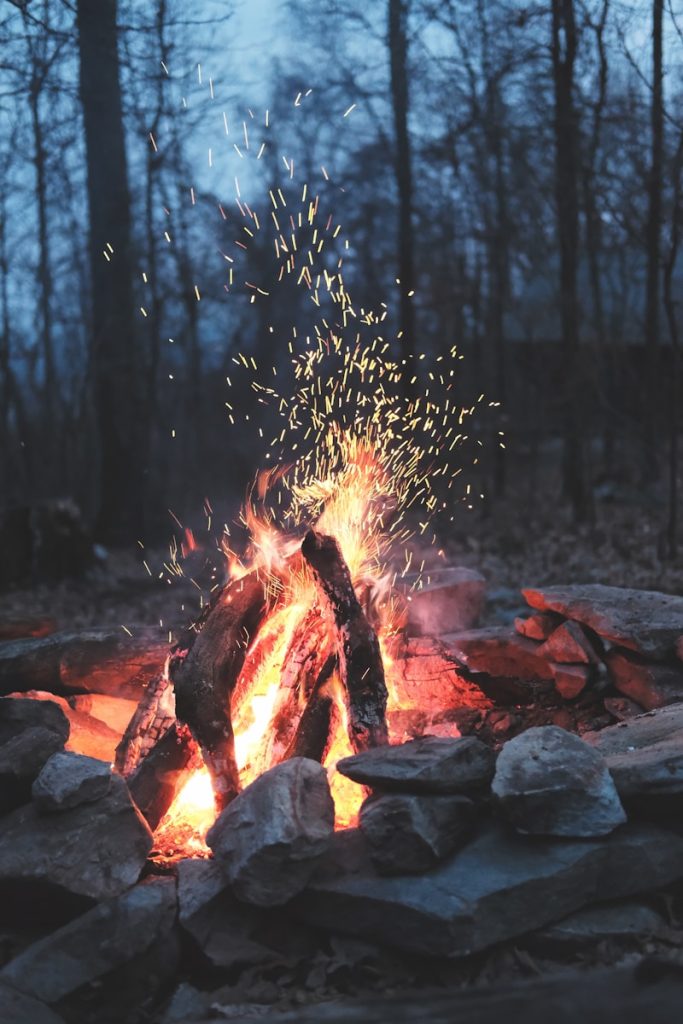
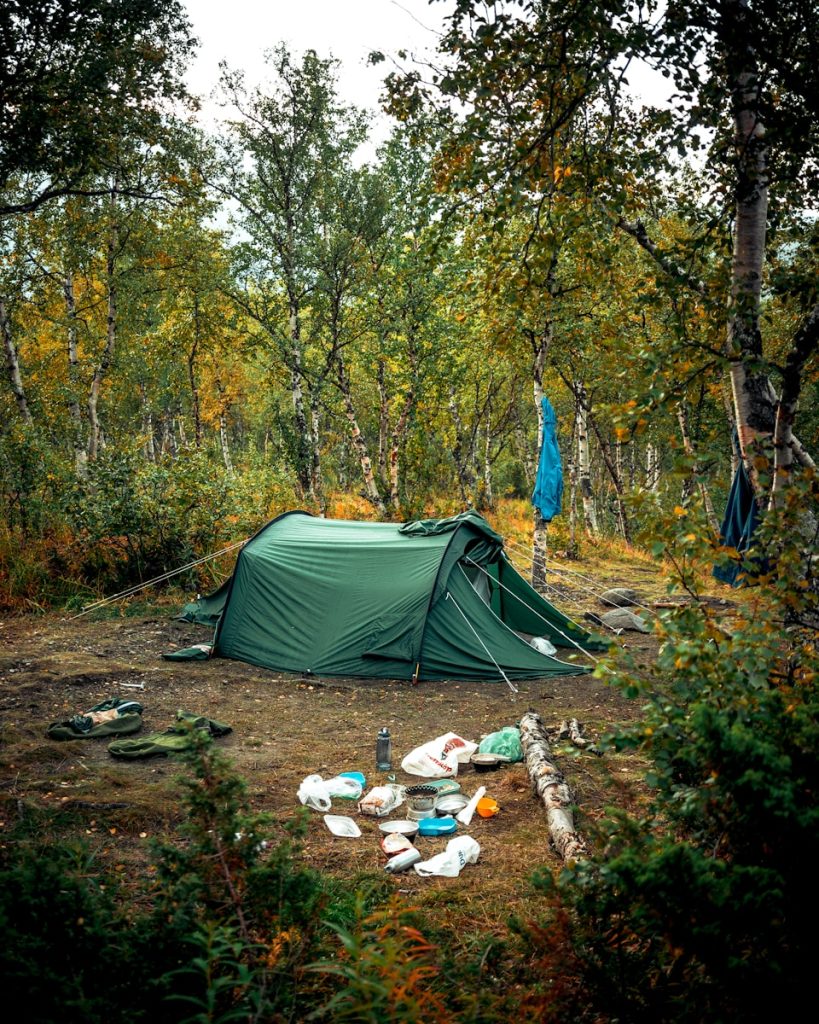
The Leave No Trace principles are a set of guidelines designed to protect nature while hiking and camping. They encourage outdoor enthusiasts to plan ahead and prepare, travel and camp on durable surfaces, and dispose of waste properly. Respecting wildlife and leaving what you find helps preserve natural ecosystems. Campfires should be minimized and used responsibly, or avoided when possible. Being considerate of other visitors ensures everyone can enjoy the outdoors. By following these seven principles, we reduce our impact on the environment and help keep wild places clean, safe, and beautiful for future generations.
Latest posts
- How to Keep Food Cold Without a Fridge: Off-Grid Thermal Management & Vetted Preservation Gear Guide
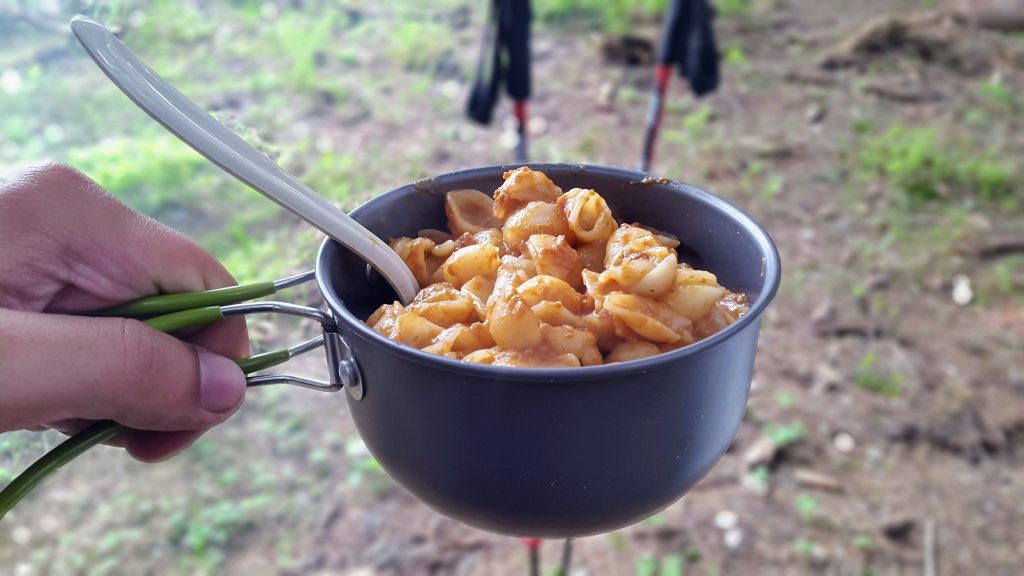 Embarking on extended camping trips, road trips through remote landscapes, or navigating extended home power outages is an exciting off-grid experience. However, managing food safety without electrical refrigeration introduces a critical thermal preservation challenge. Perishable food kept in the Danger Zone—between 40F (4C) and 140F (60C)—allows harmful bacteria to double in as little as 20… Read more: How to Keep Food Cold Without a Fridge: Off-Grid Thermal Management & Vetted Preservation Gear Guide
 - How to Avoid Hypothermia: Cold-Weather Survival Science & Essential Vetted Gear Guide
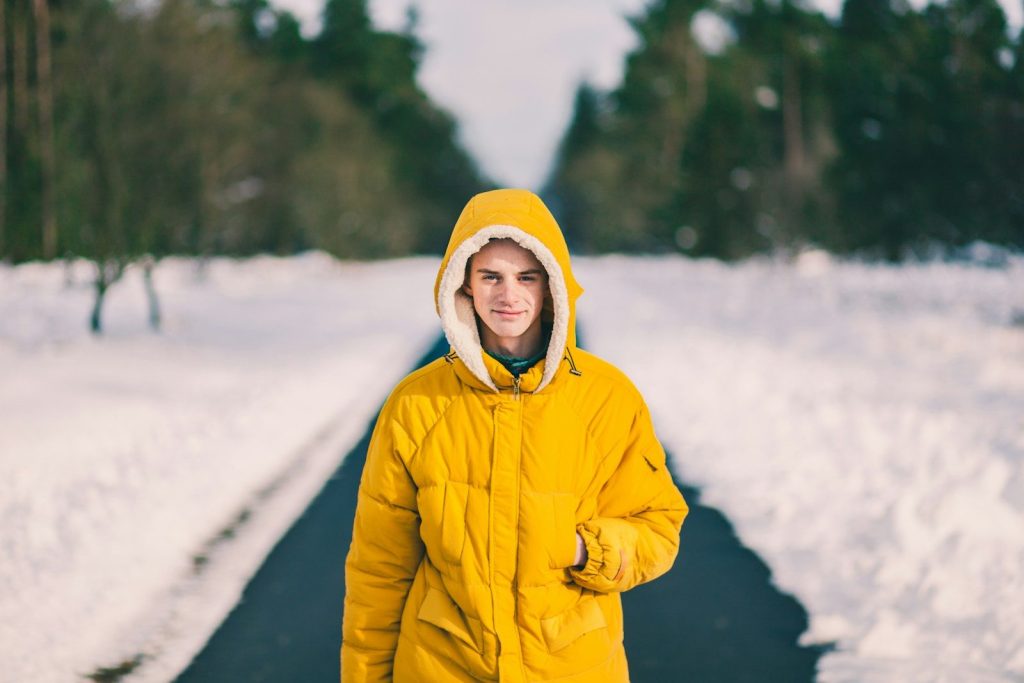 Venturing into cold, wet, or windy outdoor environments presents an immediate thermodynamic challenge to the human body. Hypothermia—a dangerous drop in core body temperature below 95F (35C)—can set in subtly, impairing physical coordination and mental clarity long before severe shivering starts. When exertion generates heavy sweat beneath tight clothing, moisture saturates your inner layers. The… Read more: How to Avoid Hypothermia: Cold-Weather Survival Science & Essential Vetted Gear Guide
 - How to Camp in National Parks: Vetted Logistics & Essential Gear Guide
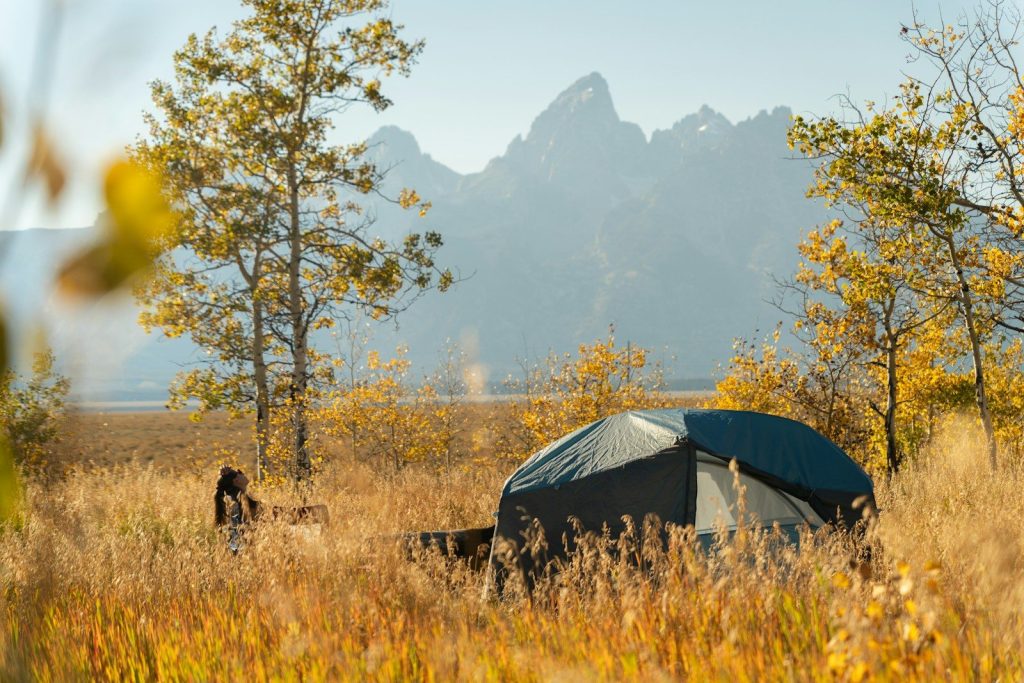 Stepping onto the historic grounds of a iconic National Park, surrounded by majestic granite peaks, ancient redwood forests, or deep sandstone canyons, is one of the most bucket-list-worthy outdoor experiences. However, planning a seamless camping trip in highly regulated public lands introduces a complex logistical challenge. When competing for high-demand campsite reservations or navigating unpredictable… Read more: How to Camp in National Parks: Vetted Logistics & Essential Gear Guide
 - Camping Desserts Ideas: Vetted Easy Recipes for Sweet Trail Nights
 At the end of a demanding day spent traversing steep mountain ridges, managing family shelter setups, or carrying a heavy waterproof hiking backpack, your body’s glycogen levels are fully depleted. Sitting around a crackling campfire as the night chill rolls in, your soul naturally craves something sweet, warm, and comforting. While store-bought chocolate bars are… Read more: Camping Desserts Ideas: Vetted Easy Recipes for Sweet Trail Nights
 - Emergency Camping Checklist: The Ultimate Failure-Proof Survival Gear Guide
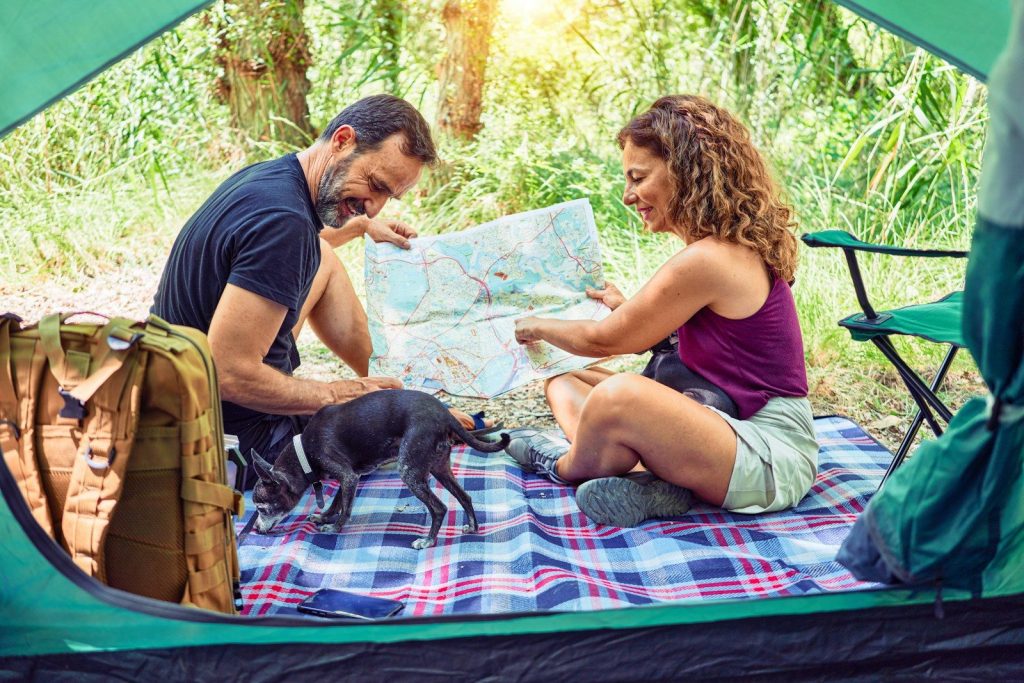 When prepping your vehicle or waterproof hiking backpack for a weekend in the backcountry, we naturally pack for the best-case scenario. We envision warm campfire evenings, clear starry skies, and smooth trail navigation in our long-distance hiking shoes. But the wilderness is a dynamic, volatile environment. A sudden mountain flash flood can sweep away your… Read more: Emergency Camping Checklist: The Ultimate Failure-Proof Survival Gear Guide
 - Camping Etiquette Rules: The Unwritten Laws of Backcountry Coexistence
 There is a distinct, therapeutic magic to packing up your heavy-duty vehicle box, driving deep into the state forests, and setting up your shelter under a silent canopy of stars. Whether your goal is to disconnect from digital exhaustion inside a luxury canvas glamping tent or push your physical limits on a technical thru-hike, you… Read more: Camping Etiquette Rules: The Unwritten Laws of Backcountry Coexistence
FAQ
Hiking usually refers to shorter trips that last a few hours or a single day, where you Staying warm in a tent starts with proper preparation and the right gear. A high-quality sleeping bag rated for the expected nighttime temperatures is essential, as it provides insulation and traps body heat. Using a sleeping pad or insulated mat under your sleeping bag is just as important, because a lot of heat is lost through the ground. Wearing dry, warm clothing such as thermal layers and wool socks can help retain heat, but avoid wearing damp clothes. Eating a warm meal before bed and staying hydrated also help your body generate warmth. Finally, make sure your tent is properly set up and protected from wind, as even small drafts can significantly reduce warmth.
The most effective way to keep food cold while camping is to use a high-quality cooler with plenty of ice or reusable ice packs. Pre-chilling both the cooler and the food before your trip helps maintain low temperatures for a longer time. Keep the cooler in the shade and open it as little as possible to prevent warm air from getting inside. Organizing food so that frequently used items are easy to access also reduces heat exposure. For longer trips, consider using frozen foods that slowly thaw and help keep other items cold.
Camping during a thunderstorm can be dangerous, especially if you are unprepared. If possible, it is best to avoid camping in exposed areas such as hilltops, open fields, or near tall isolated trees, as these increase the risk of lightning strikes. In the event of a storm, seek lower ground away from water, metal objects, and potential falling branches. Modern tents do not protect against lightning, so safety depends on choosing the right campsite and reacting quickly. If severe weather is forecast, postponing your trip or finding a safer shelter is always the safest decision.