
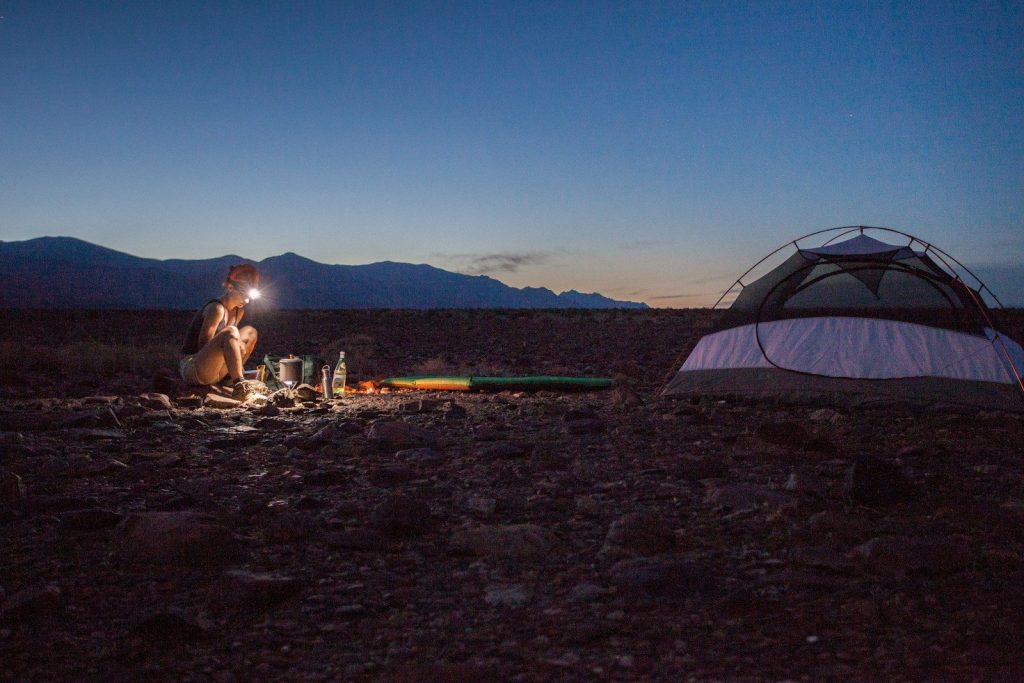
There is nothing quite like sitting around a crackling campfire, watching the stars push through a pristine wilderness canopy. But the moment the fire dies down and you step into your tent, the backcountry undergoes a radical structural shift. The forest comes alive with nocturnal sounds, temperatures drop rapidly, and visibility drops to near zero.
For many beginners and intermediate campers, the wilderness at night can induce anxiety. However, real trail safety isn’t about fear—it is about implementing reliable, repeatable habits before the sun dips below the horizon. From managing wildlife attractants to locking down physical camp ergonomics, keeping your basecamp secure at night is a matter of strict preparation.
Let’s break down the professional technical protocols for managing a safe, secure, and stress-free campsite after dark.
The Nighttime Camp Security Matrix
| Hazard Category | Real-World Risk | Prevention Protocol | Key Piece of Gear |
| Wildlife Intrusion | Bears/rodents tearing tents for food | Implement the “Bear Triangle” rule | Bear-proof canister / Odorless bags |
| Campground Trauma | Tripping over guyline ropes in the dark | Clear paths, use reflective chords | High-lumen headlamp / Glow stakes |
| Thermal Drop | Hypothermia from sudden cold fronts | Isolate sleeping systems from ground | R-value rated sleeping pad |
| Emergency Logistics | Getting lost during a midnight bathroom run | Establish navigation anchor lights | Compact lantern power bank |
1. The Bear Triangle: Managing Wildlife Attractants
The absolute number one rule of midnight camp safety is simple: never store food, trash, or scented items inside your tent. Animals—ranging from 600-pound grizzly bears to tiny, destructive field mice—possess an olfactory sense that easily cuts through heavy nylon fabric. If a raccoon smells a single stick of mint gum inside your backpack pocket, it will chew right through your expensive pop-up tent sheet to get it.
To stay safe, implement the Bear Triangle layout:
-
The Sleeping Zone (Tent): This is your safe haven. It must remain a completely “zero-scent” zone. No snacks, no toothpaste, no scented deodorants, and no clothes that you wore while frying bacon at dinner.
-
The Cooking Zone: Set up your kitchen, canister gas stove, and food prep table at least 200 feet downwind from your sleeping tent. Any dynamic smells generated during dinner will drift away from where you sleep.
-
The Storage Zone: Store all food, trash, and toiletries 200 feet away from both the kitchen and the tent. Use hard-sided, certified bear canisters or lockable vehicle trunks if you are car camping.
Vetted Amazon Wildlife Storage Favorites:
-
Certified Bear-Proof Canister: Bear Vault BV500 Journey Bear Canister
-
Heavy-Duty Odor-Proof Storage Bags: LOKSAK Opsak Odor-Proof Barrier Bags
2. Structural Ergonomics: Preventing Midnight Tripping Accidents
More backcountry injuries occur during simple midnight bathroom runs than during technical daytime scrambles. Loose rocks, exposed tree roots, and tense nylon tent guylines become invisible traps once natural ambient light vanishes.
-
Deploy Reflective Lines: Upgrade your tent’s tie-down ropes with reflective paracord that blazes brightly under a flashlight beam.
-
Clear the Core Perimeter: Before total darkness hits, actively walk around your tent. Clear away slippery wet wood, sharp stones, and organize your gear. Store your long-distance trail boots neatly inside the tent vestibule so you don’t trip over them when exiting.
-
The “Headlamp Habit”: Never sleep with your flashlight packed away in a random pocket. Keep your headlamp wrapped loosely around your wrist, placed inside the tent’s overhead mesh pocket, or stuffed directly into the toe box of your sleeping bag so it can be deployed within two seconds in an emergency.
Vetted Amazon Visibility Favorites:
-
The Ultralight Trail Headlamp: Black Diamond Storm 500-R Headlamp
-
Nighttime Visibility Markers: Nite Ize Gear Tie Loopable Twist Ties
3. Human and Environmental Threats: Securing the Perimeter
When camping in developed state parks or dispersed public lands, safety also involves managing human elements and environmental shifts.
-
The “Car Alarm” Deterrent: If you are car camping and feel an immediate threat from an animal or intruder outside, keep your vehicle’s electronic key fob inside your sleeping bag. Pressing the “Panic” button to activate your car’s horn and flashing high beams is an instant, highly effective deterrent that will scare off wildlife and alert nearby campers.
-
Check the Canopy (Widowmakers): Before pitching your tent for the evening, look straight up. Never camp directly underneath dead, decaying, or creaking tree branches. High midnight winds can cause these heavy limbs (aptly named “widowmakers”) to snap and crash down onto your tent structure.
-
Secure Loose Gear: High mountain winds often pick up after midnight. Ensure your camp chairs are folded down, your stove fuel lines are disconnected, and your primary ventilated backpack is anchored or brought inside the tent shelter.
3 Essential Nighttime Survival Protocols
1. Never Leave the Perimeter Without a Navigation Tool
If you must step away from camp at night to use the restroom, never rely on “moonlight” or memory. It takes less than 60 seconds to lose your orientation in a dense forest at night. Always carry a reliable light source and a smartphone with offline topographic maps running.
2. Manage Condensation and Moisture Correctly
As ambient air cools down, the moisture from your breath will hit the cold walls of your tent. If you seal your tent doors completely shut out of fear, you will wake up soaked in cold condensation water. Keep your rainfly vents wide open to allow fresh cross-ventilation, ensuring your double sleeping bag remains bone-dry.
3. Keep Bear Spray Accessible Within Arm’s Reach
If you are traveling inside active bear territory, your defensive tool does you no good if it is buried inside a backpack out in the vestibule. Sleep with your bear spray canister placed flat on the tent floor right next to your sleeping pad, ensuring you can deploy it instantly without struggling with zippers.
FAQ: Midnight Security Realities
Q: Should I keep a fire burning all night for safety?
A: Absolutely not. Leaving a campfire unattended while you sleep is incredibly dangerous and a leading cause of devastating forest fires. Before you go to sleep, completely extinguish the fire by dousing it with water, stirring the ashes, and pouring more water until the coals are completely cool to the touch. A properly sealed tent and correct food storage are all the protection you need.
Q: What should I do if I hear an animal scratching outside my tent at night?
A: Do not panic. In 99% of cases, the noise is a harmless raccoon, opossum, or deer looking for scraps. Sit up, turn on a bright headlamp, and make loud, firm noises by clapping your hands or shouting. This will immediately scare away the vast majority of curious animals. If you suspect it is a large predator in bear territory, prepare your bear spray before unzipping any tent doors.
Final Thoughts
Conquering the night in the backcountry is all about transitioning from chaos to structure. By implementing the Bear Triangle, clearing your campsite layout before twilight, and maintaining a dedicated emergency light system, you strip away the variables that cause accidents. When your gear is organized and your perimeter is locked down, you can sleep with absolute physical and psychological peace of mind. Stay prepared, protect your camp perimeter, and enjoy the beautiful silence of a safe night under the stars!
Disclaimer: As an Amazon Associate, I earn from qualifying purchases. Camp smart, stay alert, leave no trace!