
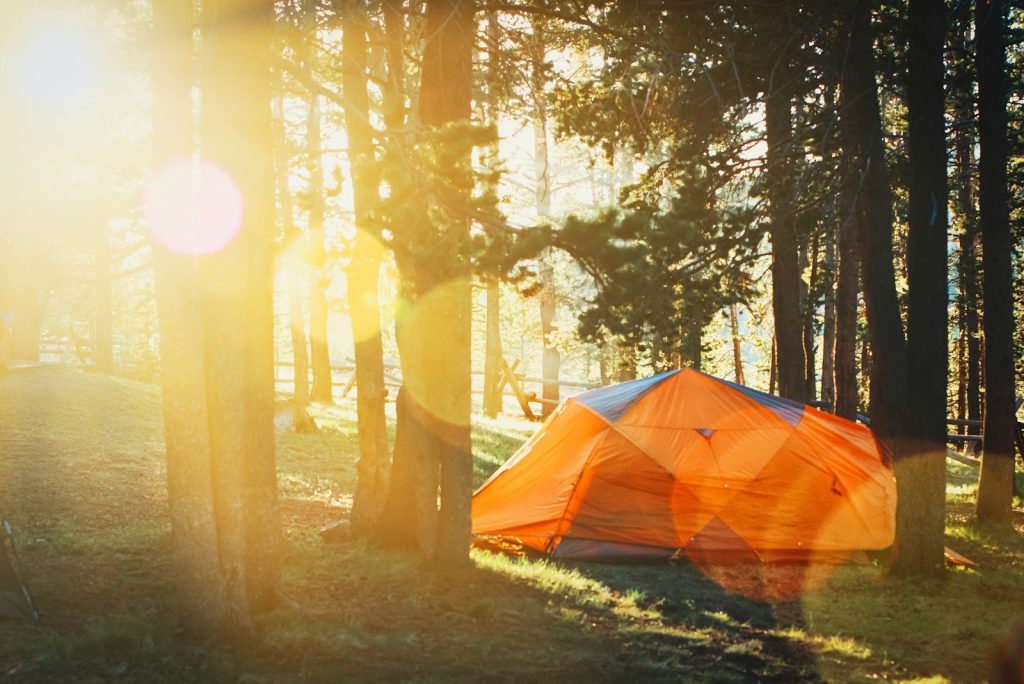
For generations, camping was often viewed as an exercise in rugged endurance. Traditional lore suggested that to truly experience the wild, you had to endure a stiff back from sleeping on hard gravel, shiver through damp midnight temperature drops, and survive on lukewarm, poorly rehydrated camp meals.
But from a modern outdoor engineering perspective, suffering in the wilderness is officially obsolete. True backcountry comfort isn’t about padding your pack with unnecessary, heavy household items; it’s about understanding the laws of environmental physics and deploying high-performance, multi-functional gear strategically.
Whether you are parking your truck at a developed lakeside site for a weekend of family car camping or setting up a remote perimeter after a grueling 15-mile trek in your long-distance trail boots, your campsite should function as a high-comfort sanctuary.
Here is the professional, vetted blueprint to mastering the elements, eliminating trail fatigue, and discovering how to camp comfortably under any sky.
The Wilderness Comfort Blueprint Matrix
| Core Pillar | Major Comfort Threat | Engineering Solution | Key Hardware Fix |
| 1. The Sleep System | Conductive heat loss from the cold earth | Isolate the spine via high thermal resistance | Vetted ASTM R-value 4.0+ pad |
| 2. Climate Control | Greenhouse heat traps & wet condensation | Maximize convective cross-ventilation loops | High-airflow summer mesh tent |
| 3. Camp Ergonomics | Physical back strain & joint fatigue | Elevate your posture off the ground | Heavy-duty folding camp throne |
| 4. Culinary Fuel | Bitter instant blends & scorched trail food | Precision flame control & fresh brewing | AeroPress Go / Multi-burner stove |
1. Engineer Your Sleep Matrix Like a Residential Bed
Your sleeping setup is the absolute core of camp comfort. If you spend eight hours tossing and turning, your immune system drops, your joints stiffen, and your resilience for the next day’s trail disappears. To wake up fully restored, treat your tent floor like an engineered mattress stack.
-
Never Skimp on the Under-Insulation (R-Value): As thoroughly detailed in our structural guide on R-value explained, the cold ground will aggressively vacuum heat directly out of your body via conduction. Even a $400 sleeping bag cannot save you if your pad is uninsulated. Always choose a pad with a minimum ASTM F3340-18 rating of R-3.0 for three-season loops and R-5.0+ for winter survival.
-
Embrace the Quilt Revolution: Standard, tight mummy-style sleeping bags can feel incredibly restrictive to side-sleepers or those who prefer room to stretch. For maximum comfort, switch to a premium backcountry down quilt that anchors directly to your insulated pad. It mimics your home duvet, allowing natural tossing and turning without binding.
Vetted Amazon Sleep Upgrades:
-
The Ultimate Insulated Air Pad: Therm-a-Rest NeoAir XLite NXT (R-Value 4.5)
-
The Shared Luxury Bed Cushion: Kelty Tru.Comfort Doublewide Sleeping Bag
2. Master Tent Thermodynamics & Ventilation
A tent’s primary job is to act as a dynamic weather shield, but poor tent management can quickly turn it into a humid, wet greenhouse or a claustrophobic box.
-
Establish Active Cross-Ventilation: Your body expels roughly one pint of moisture through respiration and sweat every single night. If you seal your tent doors completely out of instinct, that vapor hits the cold nylon walls, condenses, and rains back down onto your bedding. Keep your rainfly vents wide open at all times to create a convective chimney effect—pulling fresh air from the ground and forcing warm moisture out the ceiling.
-
Deploy Light-Blocking Fabrics: If you are camping with kids or love to sleep past 5:30 AM, standard nylon tents will instantly blind you with solar rays at dawn. Utilizing specialized blackout shells like Coleman’s Dark Room Sundome blocks 90% of incoming light, letting you manage your own wake-up schedule.
3. Elevate Your Campsite Ergonomics
True trail comfort means never sitting directly on wet logs, damp rocks, or crouching over a boiling pot on the ground. Invest in hardware that elevates your daily campsite tasks.
-
The Camp Chair is Non-Negotiable: After carrying a heavy ventilated backpack for miles, your lower lumbar spine requires structural support. Ditch cheap, unstable stools. A premium, high-backed collapsible camp chair that keeps your pelvis off the cold ground prevents lactic acid buildup in your thighs and lower joints.
-
Separate Living Zones (The Clean Footprint): Implement the multi-stage mudroom rule we detailed in our family car camping guide. Place a heavy-duty tarp directly outside your tent door. This functions as an “air-lock” zone where dirty boots, muddy socks, and wet waterproof packs are completely stripped away before entering the sterile sleeping zone.
Vetted Amazon Ergonomic Favorites:
-
The High-Backed Luxury Camp Throne: ALPS Mountaineering King Kong Chair
-
The Portable Camp Kitchen Command Center: GCI Outdoor Slim-Fold Cook Station
3 Professional Rules for Deluxe Trail Living
1. Pre-Heat Your Sleeping Core Before Crawling In
A sleeping bag does not actively generate heat; it is a passive thermal insulator designed to capture and hold the heat energy that your body naturally radiates. If you climb into a cold sleeping bag while shivering and calorie-depleted, you will remain cold for hours.
-
The Pro Move: Right before bed, boil a small pot of water on your winter camping stove. Pour the hot water into a durable, single-walled or hard plastic water bottle (like a classic Nalgene), verify that the cap seals completely tight, and slide the hot bottle directly into the toe box of your sleeping bag 15 minutes before you go to sleep. It acts as an instant radiator, warming the internal air columns perfectly.
2. Safeguard Your Nighttime Perimeter from Insects and Fear
A major comfort destroyer is the constant anxiety of bugs buzzing around your face or mysterious wildlife tracking around your campsite after dark.
-
The Pro Move: As emphasized in our comprehensive guide on nighttime camping safety, establish a strict zero-scent perimeter. Keep your kitchen 200 feet downwind from your sleeping zone. To control insects without spraying harsh chemicals inside your tent, hang a portable, rechargeable ambient bug zapper or run specialized permethrin-treated wearables near your vestibule lines.
3. Fuel Your Spirit with a Gourmet Morning Routine
The final element of luxury is culinary indulgence. Never settle for instant, bitter beverage powders that ruin the serene magic of a wilderness dawn.
-
The Pro Move: Pack a lightweight, durable brewing apparatus like a silicone pour-over cone or an AeroPress. Bring fresh, high-quality grounds sealed inside an airtight container. Pairing a premium, hot cup of morning camping coffee with a balanced, calorie-dense breakfast transforms the start of your day into a world-class cafe experience on the side of a mountain ridge.
FAQ: Outsmarting Campsite Discomfort
Q: How do I stay warm while camping if temperatures suddenly crash below freezing?
A: Layering is your ultimate mechanical defense. Put on clean, dry budget-friendly synthetic base layers before bed—never sleep in the clothes you wore during the day, as they hold invisible sweat moisture that will instantly chill you. Furthermore, pack an inexpensive closed-cell foam pad to stack underneath your primary inflatable air mattress to instantly boost your system’s total R-value insulation capacity.
Q: What is the single biggest mistake that destroys camping comfort?
A: Arriving at your campsite too late in the evening. Trying to pitch an unfamiliar tent, organize your sleep systems, and cook dinner in the pitch dark under a headlamp beam creates immediate operational chaos and high stress. Always plan your logistics to arrive at least two to three hours before sunset so you can establish a clean, orderly, and relaxed basecamp footprint.
Final Thoughts
Transitioning into a high-comfort camping lifestyle doesn’t require an army of servants or luxury glamping vehicles—it simply requires respect for your body’s biological and thermodynamic needs. By securing a laboratory-vetted insulated pad, optimizing your tent’s convective airflow paths, protecting your gear inside a waterproof backpack, and elevating your camp posture, you completely conquer the variables that cause trail fatigue. Nature provides the stunning, pristine backdrop—all you need to supply is a smart, structured camp routine. Master your hardware, layout your boundaries wisely, and experience the ultimate luxury of comfortable wilderness living!
Disclaimer: As an Amazon Associate, I earn from qualifying purchases. Double-check your site boundaries for overhead tree hazards, stay cozy, leave no trace!