
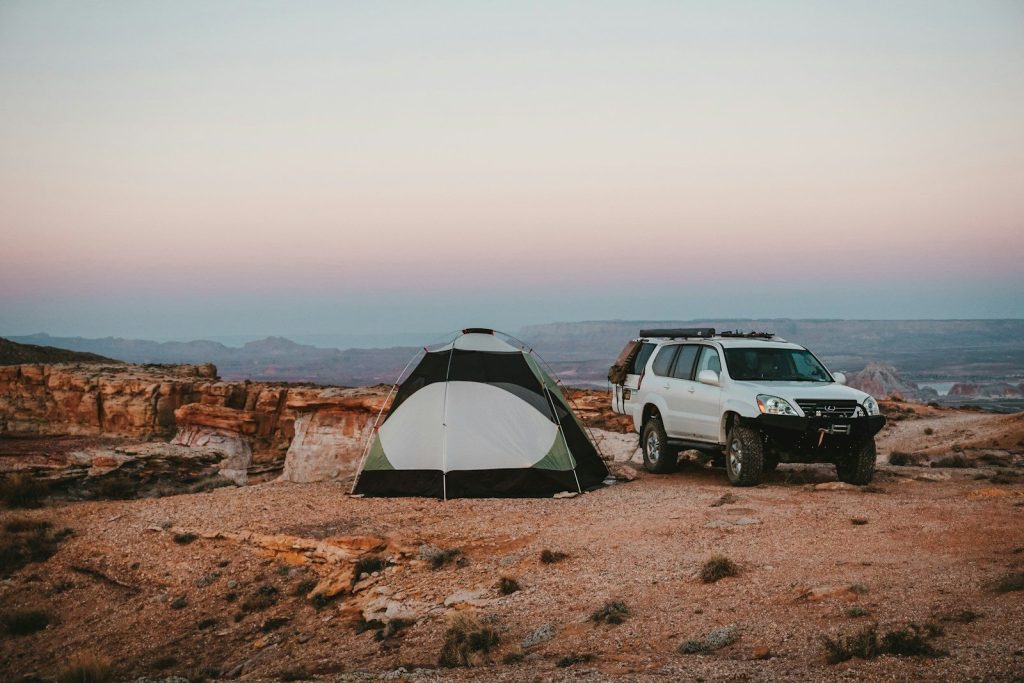
Stepping away from the screens and immersing yourself in the wilderness is the perfect antidote to modern stress. However, when planning your first multi-day escape into nature, you will immediately face a crossroads that completely alters how you travel, what gear you pack, and how much energy you expend: Car Camping versus Backpacking.
For newcomers, the terms can sound deceptively similar—after all, in both scenarios, you wake up in a tent surrounded by pristine forests. But from a functional and structural engineering standpoint, they are completely different worlds. Car camping prioritizes ultimate domestic luxury and heavy gear, while backpacking centers on absolute minimalist self-sufficiency, endurance, and deep wilderness immersion.
Let’s dissect the mechanical realities, gear weights, logistics, and cost barriers of car camping versus backpacking so you can deploy your financial resources into the exact right gear setup.
The Wilderness Strategy & Logistics Matrix
| Feature / Metric | Car Camping (Basecamp Style) | Backpacking (Thru-Hiking Style) |
| Primary Transit Method | Your vehicle’s internal combustion engine | Your own legs, joints, and cardiovascular system |
| Gear Weight Limits | Unlimited (Up to your car’s trunk payload) | Strictly under 30–40 lbs (Maximum comfort limit) |
| Camp Location Style | Developed campgrounds, state parks, overlanding | Remote, primitive backcountry campsites |
| Sleeping Setup | Thick air mattresses, heavy double sleeping bags | Ultralight sleeping pads, highly compressible down quilts |
| Kitchen Capabilities | Heavy cast-iron skillets, two-burner stoves | Micro titanium canister gas stoves |
| Amenities Access | Flush toilets, potable tap water, showers nearby | Water filters, trowels, and raw packing-out of garbage |
Car Camping: The Uncompromising Comfort Sanctuary
Car camping (often called basecamping) means you drive your vehicle directly onto a designated campsite lot, pop open your trunk, and set up your living quarters within 50 feet of your bumper.
Why It Wins:
-
The Luxury Footprint: Because you don’t have to carry your gear on your spine, weight and size restrictions completely vanish. You can sleep on a 4-inch memory foam mattress, lounge in plush rocking camp chairs, and pack an expansive, heavy-duty pop-up family tent you can fully stand up inside.
-
Gourmet Trail Kitchens: Say goodbye to powdered, dehydrated meals. Car camping allows you to pack a massive rotomolded cooler packed with fresh steaks, eggs, and ice-cold drinks. You can cook using full-sized cast-iron skillets over a heavy, windproof propane stove.
-
Lower Entry Barrier: It is the perfect, low-stress environment for young children, family gatherings, pets, and beginners. If a massive storm hits or someone gets sick, your vehicle is right there to provide instant heated shelter or an immediate exit route.
Top Vetted Amazon Car Camping Upgrades:
-
The Ultimate Camp Stove: Camp Chef Explorer Two-Burner Propane Stove
-
The Heavy-Duty Luxury Throne: ALPS Mountaineering King Kong Chair
Backpacking: The Pure, Raw Wilderness Escape
Backpacking means you pack your entire life—shelter, sleep system, kitchen, clothing, food, and water filtration—into a single technical backpacking pack and carry it for miles into remote wilderness areas completely inaccessible to motorized vehicles.
Why It Wins:
-
True Pristine Solitude: Car campgrounds can often feel like crowded suburban trailer parks, complete with slamming car doors, crying children, and running generators. Backpacking allows you to escape the crowds entirely, finding remote alpine lakes, hidden canyons, and quiet ridge views where the only sounds are the wind and local wildlife.
-
The Ultimate Physical Achievement: There is a profound sense of psychological empowerment that comes from knowing everything you need to survive is strapped to your back. Successfully completing a 15-mile mountain loop using your own physical power provides an endorphin rush that no car campground can match.
-
Minimalist Efficiency Training: It forces you to strip away the excess noise of modern life. You learn to appreciate the engineering of an ultralight 2-pound tent, a compact titanium spork, and multi-functional high-performance UPF clothing.
Top Vetted Amazon Backpacking Upgrades:
-
The Ultralight Trail Shelter: Big Agnes Copper Spur HV UL2 Tent
-
The Premium Structural Base Pack: Osprey Atmos AG 65 Ventilated Backpack
3 Critical Financial Rules for Gear Purchasing
Because these two styles require different structural components, buying gear without a plan can lead to double-spending. Follow these allocation strategies:
1. Never Buy Heavy Car Camping Gear for the Trail
The most common mistake beginners make is purchasing a highly affordable, 12-pound 4-person tent or a bulky synthetic sleeping bag on Amazon with the intention of “eventually” taking it backpacking. Carrying heavy, non-compressible basecamp gear inside a trail pack will rapidly lead to physical exhaustion, joint strain, and potentially a painful injury in your long-distance trail boots.
2. Backpacking Gear Works for Car Camping (But With Less Comfort)
If your budget only allows you to buy one high-end setup, always prioritize buying lightweight backpacking gear. A premium 2-pound ultralight sleeping pad and an MSR micro-stove will work perfectly fine at a car camping site. You will look like a minimalist sleek explorer, even if you lack the luxurious sprawling footprint of your neighbors.
3. Account for the Hidden Expenses of Backpacking
Car campers rarely have to worry about emergency logistics. But when you cross over into backpacking, your budget must accommodate vital safety and sanitation items: a highly reliable water purification system, a lightweight digging trowel to follow Leave No Trace principles, bear-proof food canisters for wilderness protection, and portable lantern power banks to keep navigation devices alive.
FAQ: Resolving Trail Uncertainties
Q: Which format is more expensive to start?
A: Counterintuitively, backpacking has a significantly higher financial entry barrier. To make gear light enough to carry comfortably on your spine (using advanced materials like carbon fiber, titanium, and 800-fill down), manufacturers must use expensive, high-tech engineering. Car camping gear can rely on heavy, inexpensive steel, thick canvas, and dense plastics, making budget-friendly basecamp setups much easier on your wallet.
Q: How do I transition safely from car camping to my first backpacking trip?
A: Don’t jump straight into a 30-mile wilderness loop. Perform a “backyard or campground trial run” first. Pack your backpacking bag completely, drive to a developed state park campsite, park your vehicle, and walk a 1-mile loop before setting up camp near the parking area. This safely reveals any gaps in your packing strategy or fit issues with your backpack while keeping a secure safety net nearby.
Final Thoughts
Ultimately, the choice between car camping and backpacking isn’t about choosing a superior method—it’s about matching your gear to your immediate psychological and physical needs. When you want a relaxing, social weekend filled with gourmet meals, cold drinks, and maximum sleep comfort with family, load up your trunk for an unforgettable car camping weekend. But when your soul craves absolute silence, physical challenge, and the raw beauty of untouched backcountry vistas, lace up your boots, strap on your lightweight pack, and head out past where the pavement ends!
Disclaimer: As an Amazon Associate, I earn from qualifying purchases. Explore responsibly, pack wisely, leave no trace!