
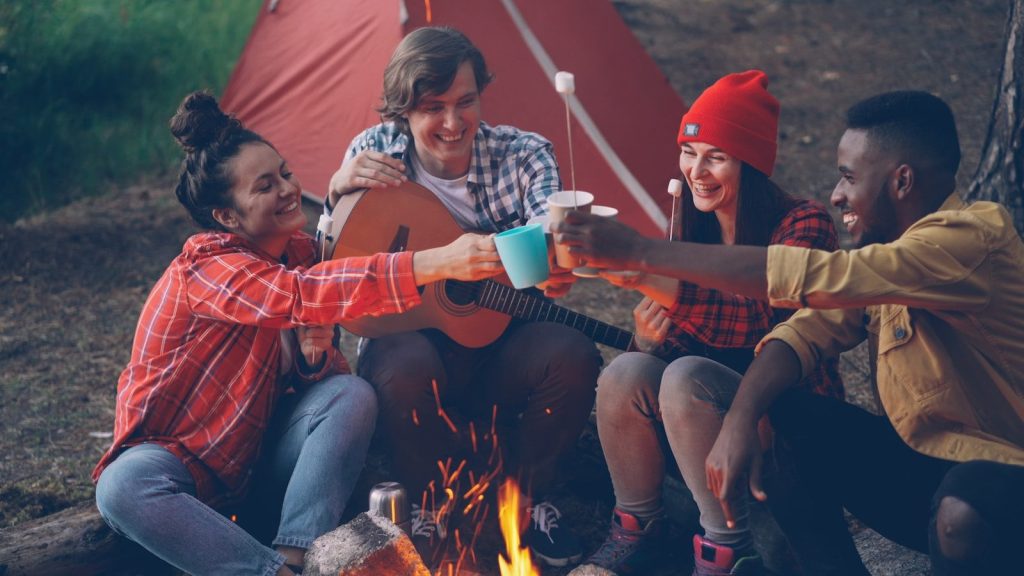
There is no experience quite like packing up the SUV, escaping the digital noise of the suburbs, and introducing your kids to the wonders of the natural world. Watching them gather firewood, roast treats over open coals, and sleep soundly under a silent forest canopy builds core memories that last a lifetime.
However, planning a trip for a multi-generational group introduces massive logistical friction. Unlike solo backpacking trips where you can easily survive with minimalist gear packed in a single waterproof hiking pack, a family basecamp requires structured organization. Without a modular, system-based checklist, you will either overpack—turning your vehicle into a chaotic, exploding cargo bay—or forget a vital comfort component, leaving a child cold, wet, and miserable at midnight.
To transition your family camp from chaotic survival to a seamless outdoor holiday, you must organize your gear into dedicated operational zones.
Here is the professional, vetted family camping checklist designed to keep your basecamp sterile, structured, and incredibly comfortable.
The Family Basecamp Operational Zone Matrix
| Operational Zone | Core Family Comfort Threat | Tactical System Solution | Essential Hardware Goal |
| 1. Shelter & Sleep | Cold ground conduction & wind leaks | Insulated mattress stacks & spacious cabins | Multi-room tent with high ASTM R-value pads |
| 2. Camp Kitchen | Delayed, chaotic meal prep & spoiled food | Organized dual-burner cooking & hard-sided pantries | Heavy-duty kitchen chuck box |
| 3. Utility & Power | Dead headlamps, cold nights, and dark perimeters | Central off-grid power storage & remote lights | High-capacity silent battery power station |
| 4. Safety & Hygiene | Vector bugs, minor trauma, and dirty gear | Sterile wash stations & targeted pediatric first-aid | Specialized first-aid kit & camp sink |
Top 4 Family Camping Upgrades Vetted on Amazon
1. The Instant Basecamp Fortress: CORE 9-Person Instant Cabin Tent
Pitching a traditional multi-pole tent while managing active, excited children is a recipe for immense parental stress. You need a structural shelter that erects in under two minutes.
-
Why It Wins: The CORE Instant Cabin features pre-attached steel poles that telescope out and click into place in less than 60 seconds. It features a massive 14 x 9-foot floor plan that easily fits two queen air mattresses with a central walking corridor. It includes an adjustable room divider for parental privacy and incorporates a highly protective rainfly with low-ground intake vents to optimize cooling cross-ventilation during hot summer nights.
2. The Multi-Generational Culinary Engine: Coleman Gas Camping Stove (Triton)
Feeding a hungry family on a tiny, single-burner backpacking stove takes hours and results in lukewarm, staggered meals. You need dual-burner firepower.
-
Why It Wins: The Triton is an absolute outdoor cooking classic. It features two fully adjustable independent burners pumping out 22,000 BTUs of raw cooking power. It incorporates adjustable wind-block panels to protect your flame from crosswinds and folds flat into a durable steel case that nests perfectly beneath your camp kitchen organizer box.
3. The Cozy Double-Seater Hearth: Kelty Low Loveseat Camping Chair
Standard, cheap folding chairs isolate family members, slip over uneven dirt, and are easily tipped over by active children.
-
Why It Wins: Built with a super-durable, powder-coated steel frame wrapped in puncture-resistant 600D polyester, this low-profile double chair is a game-changer for campfire snuggling. The low seat height (13.5 inches) provides incredible stability on soft sand or dirt, prevents tipping, and places you at the perfect ergonomic height to roast marshmallows or enjoy warm camp desserts with your kids.
4. The Off-Grid Family Power Hub: Jackery Portable Power Station Explorer 300 Plus
Running loud gas generators violates standard camping etiquette rules and ruins the peaceful forest atmosphere. You need clean, silent lithium-ion power.
-
Why It Wins: Weighing only 8.2 pounds, the Explorer 300 Plus uses hyper-safe LiFePO4 battery chemistry that lasts for over 3,000 charging cycles. It features dual USB-C ports, a standard AC outlet, and a 12V car port, allowing you to charge multiple cell phones, camera batteries, tablet screens, and running portable white-noise machines safely and silently all weekend.
The Ultimate Family Camping Checklist
Print out or copy this structured list to ensure 100% preparation before hitting the highway:
1. The Sleep & Shelter System
-
[ ] Multi-Room Cabin Tent (with steel ground stakes and mallet)
-
[ ] Heavy-Duty Ground Tarp (to protect the tent floor from rocks and dampness)
-
[ ] Insulated Sleeping Pads / Air Mattresses (verify ASTM R-value is 3.0+ for 3-season loops)
-
[ ] Sleep Bags or Down Camping Quilts (rated 10°F warmer than the expected night lows)
-
[ ] Kids’ Wearable Sleep Sacks (especially vital when camping with a baby)
-
[ ] Inflatable or Travel Pillows
-
[ ] Tent Welcome Mat & Dust Brush (to keep pine needles and dirt out of the sleep zone)
2. The Kitchen & Dining Matrix
-
[ ] Two-Burner Propane Stove (plus 2–3 green propane canisters)
-
[ ] Heavy-Duty Hard-Sided Cooler (packed with block ice for better thermal longevity)
-
[ ] Organized Chuck Box / Kitchen Bin (plates, cups, bowls, and silverware)
-
[ ] Cast Iron Skillet & Non-Stick Pot
-
[ ] Chef’s Knife & Cutting Board
-
[ ] Biodegradable Dish Soap, Sponge, & Quick-Dry Towels
-
[ ] Coffee Brewing Station (AeroPress or pour-over funnel plus fresh grounds)
-
[ ] Large Trash Bags & Ziplock Bags (to enforce strict Leave No Trace sanitation)
3. Illumination, Utility & Power
-
[ ] LED Headlamps (one for every family member; keep them on red-light mode at night)
-
[ ] Collapsible LED Lanterns (to hang from the tent center ceiling)
-
[ ] Rechargeable Portable Power Station (to keep communication phones and tablets alive)
-
[ ] Multi-Tool / Folding Pocket Knife
-
[ ] Duct Tape & Paracord (for quick, emergency camp repairs)
4. Safety, Sanitation & Personal Care
-
[ ] Comprehensive Family First-Aid Kit (including pediatric dosages of allergy medications)
-
[ ] Species-Specific Medical Kit (essential if traveling with a dog; see our dog first-aid kit guide)
-
[ ] Mineral-Based Sunscreen (UPF 50+) & Sun Protective Hats
-
[ ] High-Concentration Bug Repellent (with Picaridin or DEET)
-
[ ] Biodegradable Wet Wipes & Toilet Paper
-
[ ] Portable Camp Shower or Hanging Water Wash Jug
-
[ ] Quick-Dry Microfiber Bath Towels
3 Strategic Rules for Family Camp Management
1. Enforce the “First-In, Last-Out” Packing Rule
When packing your vehicle trunk on Thursday night, it is highly tempting to pack your sleeping bags, pillows, and clothing suitcases last because they are soft and easy to squeeze into empty top gaps. Never do this.
-
The Hazard: If you arrive at your campsite during a sudden afternoon downpour or close to dusk, you must establish shelter instantly. If your tent, ground tarp, rainfly, and mallet are buried at the absolute bottom of a fully packed trunk, you will have to unpack your entire cargo inventory onto the wet mud just to get to your tent poles, ruining your gear.
-
The Protocol: The tent, ground footprint tarp, rain gear, and immediate-access emergency flashlights must be the last items packed into the vehicle so they are the first items pulled out upon arrival.
2. Establish a Strict “Clean Footprint” Vestibule Zone
With multiple children running back and forth from the campfire to the tent, tracking mud, damp pine needles, and trail dirt inside your clean sleeping quarters is incredibly easy. Dirt acts like coarse sandpaper, wearing down your technical sleeping pads and creating physical discomfort.
-
The Protocol: Place a large, durable plastic utility tarp or a heavy rubber mat directly outside your tent’s main entry zipper door. This functions as a formal “mudroom.” All family members must strip off their dusty hiking shoes and leave them on the mat before stepping onto the clean interior tent carpet. Keep a pair of soft slip-on camp sandals or thick wool socks inside the tent door for fast, easy transitions.
3. Pre-Set a Hard “Scent-Free” Safety Circle
Kids love having snacks inside the tent—especially sweet cookies, chips, and candy bars. But as thoroughly emphasized in our tactical rules for camping safety at night, food crumbs inside a tent are a major safety hazard.
-
The Hazard: Microscopic food oils and sweet scents seep through tent fabrics, acting as a direct invitation for field mice, raccoons, skunks, and black bears to bite through the mesh walls while you sleep.
-
The Protocol: Establish a strict, non-negotiable family rule: zero food, flavored drinks, or scented toiletries are allowed inside the sleeping tent. All snacks must be prepared, consumed, and cleaned up in the central kitchen zone, and all garbage must be locked inside your vehicle trunk or a bearproof campground canister before quiet hours begin.
FAQ: Outsmarting Family Camp Challenges
Q: How do we manage toddler clothing layers during cold camping nights?
A: Young children cannot regulate their body heat as efficiently as adults. Always dress your kids in synthetic or merino wool thermal underwear—never cotton, which holds cold sweat flat against their skin. Follow the “+1 Layer” rule: dress your child in one more thermal layer than you are comfortably wearing yourself. Utilizing a specialized wearable sleeping bag ensures they stay insulated even if they actively kick off their main blankets during the night.
Q: What is the best way to handle family dishwashing without a camp sink?
A: Create a simple 3-Tub Wash Station 200 feet away from any natural water source. Tub 1 is filled with warm water and a few drops of biodegradable soap to scrub away grease. Tub 2 is filled with clean, warm water to rinse off the soap. Tub 3 is filled with cold water plus a capful of sanitizing bleach to kill microscopic food bacteria. Once rinsed, place the clean plates on a hanging mesh drying rack to dry passively in the clean forest air.
Final Thoughts
Transitioning your family into the great outdoors is one of the most rewarding adventures you will ever coordinate, but its physical comfort rests entirely on your organizational preparation. By moving away from random, uncoordinated packing toward a structured, system-based checklist, you ensure that every sleep mattress is warm, every meal is prepared on time, and every emergency safety tool is immediately accessible. Protect your sleeping zones from damp trail dirt, lock down your food scent perimeters with total discipline, and organize your trunk space with tactical precision. Gear up methodically, involve your kids in the daily camp workflow, and conquer your next family wilderness trip with absolute confidence and unconditional peace of mind!
How to Camp with a Baby: The Technical Blueprint for Safe Infant Basecamping
Disclaimer: As an Amazon Associate, I earn from qualifying purchases. Double-check your campsite boundaries for dead overhead tree limbs (“widowmakers”) before pitching your family tent, stay safe, leave no trace!