
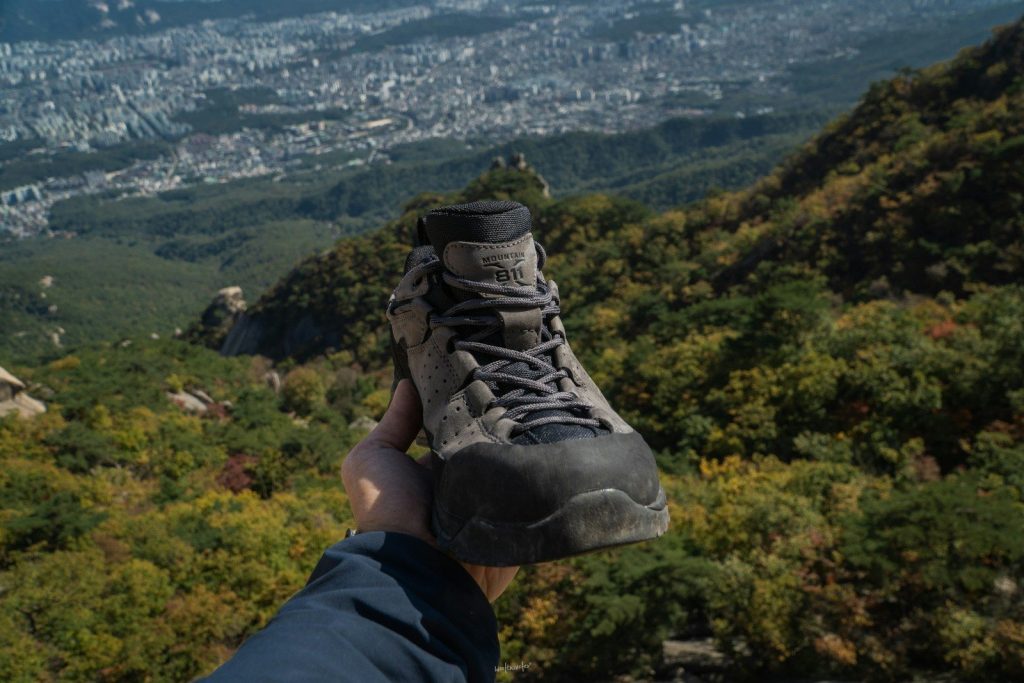
The “best” hiking boot doesn’t exist—there is only the best boot for your foot and your trail. The line between heavy boots and running shoes has blurred, but the core principles of fit, terrain, and support remain the same.
Here is how to navigate the world of hiking footwear to find your perfect pair.
1. Choose Your Category: The Spectrum of Support
Trail Runners: For Speed and Lightness
Once reserved for athletes, trail runners are now the top choice for ultralight backpackers.
-
Best for: Well-maintained trails, dry weather, and light packs (< 25 lbs).
-
Pros: Zero break-in time, extremely breathable, and lightweight.
-
Cons: Less ankle support and lower durability (usually last 500 miles).
Hiking Shoes: The Middle Ground
Lower-cut than a boot but stiffer than a runner.
-
Best for: Day hikes with moderate terrain.
-
Pros: Durable soles and reinforced toe caps for protection against rocks.
-
Cons: No ankle protection from rolling or trail debris.
Backpacking Boots: The Heavy-Duty Choice
High-cut boots designed to support your ankles and your spine under a heavy load.
-
Best for: Off-trail travel, carrying 35+ lbs, or multi-day treks in rugged mountains.
-
Pros: Maximum stability, waterproof, and can last over 1,000 miles.
-
Cons: Heavy and requires a “break-in” period before your first long trip.
2. Materials Matter: Leather vs. Synthetic
| Material | Durability | Breathability | Break-in Time |
| Full-Grain Leather | Highest | Low | Long |
| Split-Grain/Suede | Medium | Medium | Short |
| Synthetic (Mesh/Nylon) | Low | Highest | Zero |
The Waterproof Question: Should you get GORE-TEX?
-
Yes: If you hike in muddy, rainy, or snowy conditions like those in our winter camping guide.
-
No: If you hike in hot, desert climates. Waterproof membranes trap sweat, which can lead to blisters.
3. How to Get the Perfect Fit (At Home)
-
Shop in the Afternoon: Your feet swell throughout the day. If you fit your boots in the morning, they will be too tight by mile 10 of your hike.
-
The “Finger Test”: With your toes touching the front of the unlaced boot, you should be able to slide one finger behind your heel.
-
Wear Your Hiking Socks: Never try on boots with thin everyday socks. Use the merino wool socks you actually plan to wear.
-
The Incline Test: Walk down stairs. Your toes should not hit the front of the boot. If they do, your toenails will suffer on steep descents.
4. Key Components to Look For
-
The Outsole: Look for deep lugs (the bumps on the bottom). Deep, widely spaced lugs provide the best grip in mud, while shallow lugs are better for rock.
-
The Midsole: EVA is softer and more cushioned (like a sneaker), while Polyurethane (PU) is firmer and lasts longer—essential for heavy backpacking loads.
-
The Rand: This is the rubber wrap around the toe. A thick rand protects your boots from being shredded by sharp rocks.
FAQ: Footwear Mastery
Q: How do I break in new boots?
A: Start by wearing them around the house, then on short walks in your neighborhood. Gradually increase the distance before taking them on a real trail.
Q: When should I replace my hiking shoes?
A: When the tread is worn flat, or when you notice the midsole feels “dead” and no longer absorbs impact. For trail runners, this is often every 4-6 months of heavy use.
Final Thoughts
If you’re a beginner, start with a high-quality mid-cut hiking boot. It offers the versatility and safety you need while you develop your “trail legs.” As you get more experienced and lighten your gear, you can experiment with lighter shoes.
Disclaimer: As an Amazon Associate, I earn from qualifying purchases. Happy trails start with happy feet!