
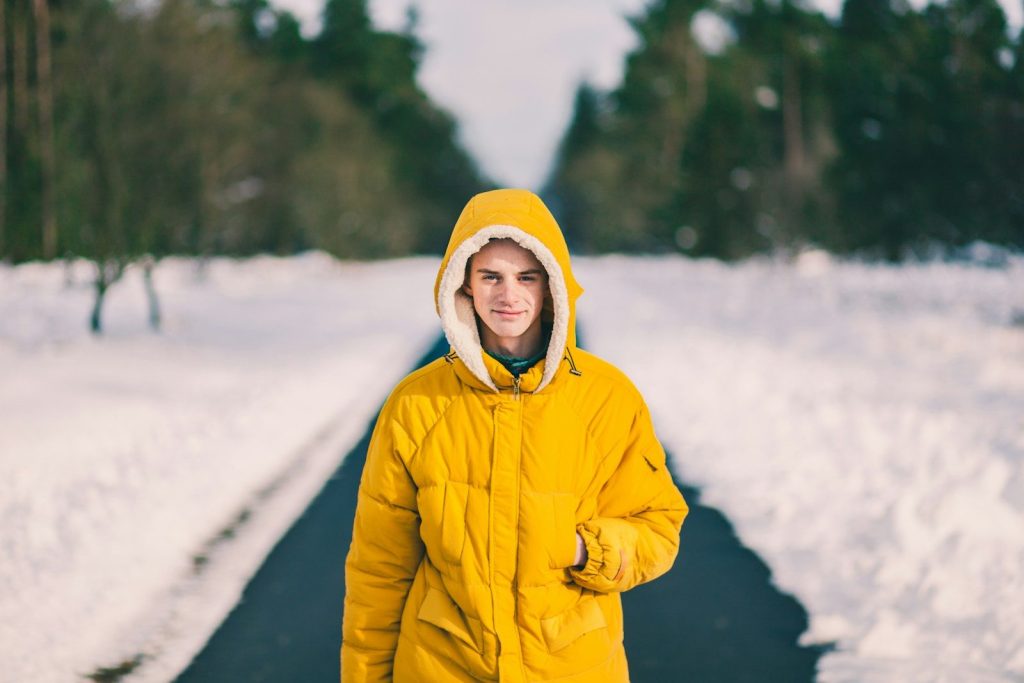
Venturing into cold, wet, or windy outdoor environments presents an immediate thermodynamic challenge to the human body. Hypothermia—a dangerous drop in core body temperature below 95F (35C)—can set in subtly, impairing physical coordination and mental clarity long before severe shivering starts.
When exertion generates heavy sweat beneath tight clothing, moisture saturates your inner layers. The moment you stop moving—or when ambient winds bite through non-insulated garments—that trapped dampness accelerates heat loss rapidly. Cold air drains your thermal energy, numbs your neurological responses, and impairs your decision-making abilities long before severe shivering sets in.
If you rely on improper apparel like cotton jeans, ignore wet conditions, or fail to manage exertion levels, you face a critical survival hazard. Wet fabrics conduct cold to your skin 25 times faster than still air, rapidly stripping away your body’s defensive warmth.
To stay dry, warm, and alert in extreme winter conditions, you must master the scientific Cold-Weather Prevention Framework. From moisture-wicking base layers to emergency heat-reflective shelters, here is the vetted survival guide and the top 5 cold-weather safety items available on Amazon to conquer sub-zero environments.
The Cold-Weather Prevention Thermodynamic Matrix
| Prevention Layer | Functional Mechanics | Key Material Technology | Primary Survival Purpose | Ideal Vetted Gear Option |
| 1. Wicking Layer | Hydrophobic moisture transport away from skin | Merino Wool / Technical Polyester | Prevents sweat accumulation & conductive chilling | Smartwool Classic Thermal Merino Base Layer |
| 2. Weather Armor | Blocks arctic wind, driving snow, and rain | Gore-Tex® / Pertex® Membrane | Defends core temperature against wind-chill | Arc’teryx Beta LT Waterproof Shell |
| 3. Emergency Shield | Traps body heat via 90% thermal reflection | Mylar / Heat-Reflective Polyethylene | Instant windproof shelter during unexpected stops | SOL Emergency Bivvy Shelter |
| 4. Auxiliary Heat | Provides continuous external thermal energy | Catalytic Combustion / Refillable Fuel | Restores peripheral blood flow to freezing hands | Zippo Refillable Hand Warmers |
| 5. Internal Hydration | Delivers hot fluid & calories to core organs | Double-Wall Vacuum Stainless Steel | Fuels metabolic thermogenesis from inside out | Thermos Stainless King Vacuum-Insulated Flask |
Top 5 Cold-Weather Safety Essentials Vetted on Amazon
1. The Moisture-Wicking Defense: Smartwool Classic Thermal Merino Base Layer
Your base layer works as the foundation of your body’s thermal regulation system. Sweat accumulation on skin is the leading catalyst for cold-weather hypothermia.
-
Why It Wins: Constructed from 100% heavy-density Merino wool, the Smartwool Classic Thermal Merino Base Layer absorbs sweat vapor before it condenses into liquid water, transporting it outward. Merino wool retains insulation even when damp and possesses natural anti-microbial properties to eliminate odor on multi-day treks.
2. The Impermeable Wind & Rain Armor: Arc’teryx Beta LT Waterproof Shell
Wind-chill and precipitation can strip body heat in minutes. An unyielding outer shell is essential for blocking gale-force winds and wet snow.
-
Why It Wins: Engineered with 3-layer Gore-Tex® fabric, the Arc’teryx Beta LT Waterproof Shell provides total waterproof and windproof protection while maintaining high breathability. Its helmet-compatible StormHood™ shields your head and neck, while pit-zips allow immediate heat dumping during strenuous climbs to avoid sweating.
3. The Critical Survival Lifeline: SOL Emergency Bivvy Shelter
If an injury, storm, or lost trail forces an unexpected night outdoors, an ultra-compact emergency shelter is your ultimate life-saving barrier.
-
Why It Wins: Weighing under 4 ounces, the SOL Emergency Bivvy Shelter reflects 90% of your radiated body heat back to your core. Made from tear-resistant, windproof, and waterproof vacuum-metalized polyethylene, it completely seals out arctic wind and driving snow to prevent fatal core temperature drops.
4. The Constant Peripheral Heat Source: Zippo Refillable Hand Warmers
When core temperature drops, vasoconstriction restricts blood flow to your extremities, increasing frostbite risk and accelerating general chilling.
-
Why It Wins: The Zippo Refillable Hand Warmers supply up to 12 hours of flameless, radiant heat using platinum-catalyzed glass fiber burners. Tucked inside pockets or mittens, they keep hands warm, maintain dexterity for tying knots or pitching tents, and restore heat to chilled fingers.
5. The Core Thermal Fuel Delivery: Thermos Stainless King Vacuum-Insulated Flask
Drinking freezing water forces your body to expend precious caloric energy heating liquid up to core temperature.
-
Why It Wins: Featuring double-wall vacuum insulation, the Thermos Stainless King Vacuum-Insulated Flask keeps soups, hot tea, or water piping hot for up to 24 hours. Sipping hot liquids delivers immediate internal heat to core organs while keeping you well-hydrated in dry winter air.
3 Critical Tactical Rules to Prevent Hypothermia
Preventing hypothermia requires constant vigilance, active sweat management, and fast tactical decisions on cold trails:
1. Enforce the “Be Bold, Start Cold” Sweat Control Protocol
Standing at a freezing trailhead at 15F (9C), intuition tells you to bundle up in heavy down coats. You must actively break this habit.
The Thermodynamic Hazard: Within minutes of active hiking or climbing, large leg and core muscles generate intense metabolic heat. Overdressing causes profuse sweating, soaking your base layer. The moment you pause, cold air freezes that damp fabric against your skin, triggering rapid hypothermia.
-
The Protocol: Begin hiking wearing only your merino base layer and a breathable mid-layer or thin soft-shell. You should feel slightly chilly while stationary. Keep heavy insulation parkas at the very top of your pack, ready to pull on the instant you step off the trail to rest.
2. Never Wear Cotton (The “Cotton Kills” Law)
Whether cotton socks, denim jeans, or cotton hoodies, cotton materials have no place in cold-weather wilderness settings.
-
The Material Science: Cotton fibers are hydrophilic—absorbing up to 27 times their weight in water. When damp, cotton fibers collapse, eliminating air insulation pockets. A wet cotton garment pulls core heat away from your skin 25 times faster than air, functioning like an ice pack wrapped around your torso.
-
The Protocol: Verify that every garment in your wardrobe system—including socks, underwear, gloves, and beanies—is crafted from 100% Merino wool, technical polyester, nylon, or grid fleece.
3. Recognize and Treat the “UMBLES” Early Detection Protocol
Hypothermia affects brain functioning before a victim realizes they are in danger. Learning early warning signs saves lives.
The “UMBLES” Symptoms: Look out for Stumbling (loss of physical coordination), Mumbling (slurred speech or confusion), Fumbling (inability to zip jackets or tie knots), and Grumbling (irrational mood changes or apathy).
-
The Protocol: At the first sign of the “Umbles”, immediately stop moving. Seek shelter from the wind using an emergency bivvy like the SOL Emergency Bivvy Shelter, strip off damp garments, wrap the person in dry insulation, give hot sweetened liquids from a Thermos Stainless King Vacuum-Insulated Flask, and place active heat sources like Zippo Refillable Hand Warmers near their armpits and groin.
FAQ: Outsmarting Cold-Weather Survival Hazards
Q: Can hypothermia occur in warm or mild weather conditions?
A: Yes! Hypothermia frequently strikes in mild temperatures between 40F and 60F (4C – 15C) if wet rain, ambient wind, and physical exhaustion collide. A wet hiker caught in a cool breeze can suffer core cooling just as fast as someone in freezing temperatures.
Q: What should I do if someone falls into freezing water?
A: Extract them from the water immediately. Shield them from wind, remove all wet clothing, and dry their skin. Wrap them in dry merino layers, an insulated sleeping bag, and a reflective barrier like the SOL Emergency Bivvy Shelter. Never place a hypothermic victim in a hot bath or give them alcohol, as rapid peripheral vasodilation can trigger cardiac arrest.
Final Thoughts
Mastering cold-weather safety relies on proactive prevention rather than reactive rescue. Equipping yourself with proven gear like the moisture-wicking Smartwool Classic Thermal Merino Base Layer, a stormproof Arc’teryx Beta LT Waterproof Shell, an emergency SOL Emergency Bivvy Shelter, instant Zippo Refillable Hand Warmers, and a hot Thermos Stainless King Vacuum-Insulated Flask ensures complete core temperature protection. Stay dry, regulate exertion levels, fuel your metabolism, and explore winter trails with unwavering safety and confidence!
Emergency Camping Checklist: The Ultimate Failure-Proof Survival Gear Guide
Disclaimer: As an Amazon Associate, I earn from qualifying purchases. Pack emergency thermal blankets and hot packs in your cold-weather kit, monitor weather forecasts closely, and stay safe in the backcountry!