
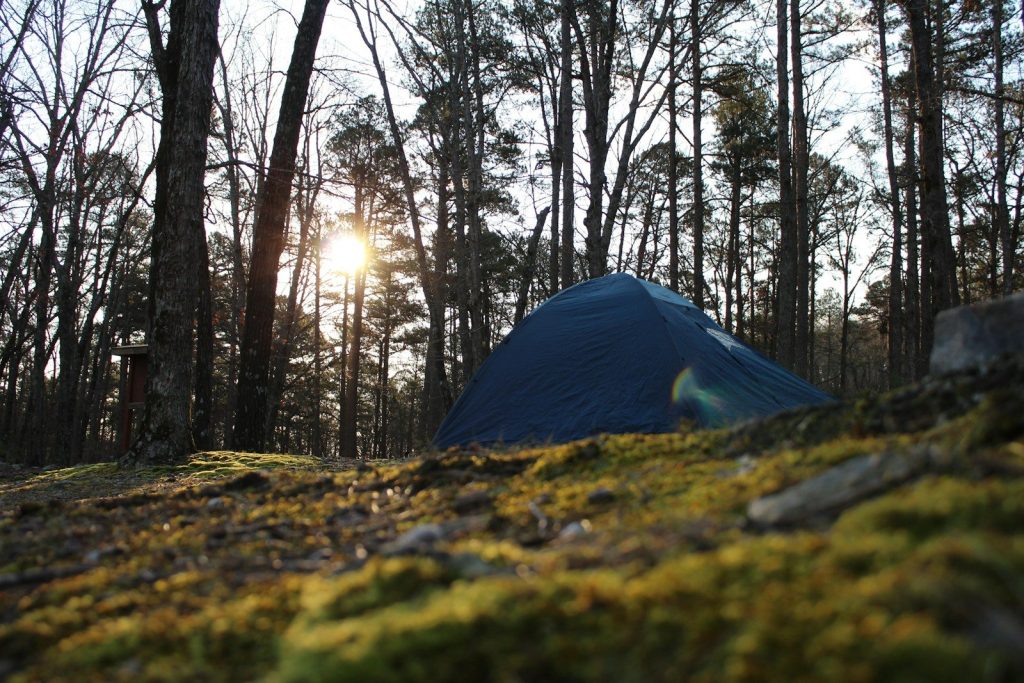
You’ve finally arrived at your campsite. The sun is setting, and the clouds look a bit heavy. This is not the time to realize you don’t know how to pitch your tent. Setting up a tent properly is the difference between a cozy night under the stars and a collapsed, wet mess at 3 AM.
Whether you have a premium Osprey-style technical tent or a budget-friendly Coleman, the principles remain the same. Follow this professional guide to ensure your outdoor home is rock-solid.
Step 1: Prep the Ground (The “Clean Sweep”)
Before you even pull the tent out of its bag, look down. Your tent floor is thin.
-
Clear the Debris: Remove sharp rocks, pinecones, and sticks.
-
Avoid the “Bowl”: Never set up in a depression where water could pool if it rains.
-
Orientation: Position the tent so the door faces away from the prevailing wind.
Step 2: Lay Down Your Footprint
A Tent Footprint or Tarp is your best insurance policy. It protects your tent from moisture and sharp objects.
-
Pro Tip: Make sure the footprint is slightly smaller than the tent floor. If it sticks out, it will catch rainwater and funnel it directly under your tent.
Step 3: Layout and Staking
Lay the tent body flat on top of the footprint.
-
Stake the Corners First: Before you put the poles in, stake down the corners. Pull them tight so the floor is flat and wrinkle-free.
-
Angle Your Stakes: Always drive your Steel Tent Stakes into the ground at a 45-degree angle pointing away from the tent. This provides the strongest anchor.
Step 4: Assemble the Poles
Modern tents use shock-corded poles.
-
Be Gentle: Don’t “snap” them together by shaking them; this can crack the ends. Slide them together manually.
-
The “X” Pattern: Most tents use an “X” frame. Slide the poles through the sleeves or clip them to the body. Carefully bend the poles and insert the ends into the grommets (metal rings) at the corners.
Step 5: Attach the Rainfly (Crucial Step!)
Even if the sky is clear, always put on your rainfly. It provides privacy and protects you from morning dew.
-
Line it Up: Find the color-coded tabs or buckles—most brands like Big Agnes or Nemo make this easy.
-
The Air Gap: Ensure there is space between the rainfly and the inner tent. If they touch, moisture (condensation) will transfer to your sleeping bag.
Step 6: Use the Guy-Lines
Those extra strings hanging off your tent? They aren’t optional in windy weather.
-
Tension is Key: Pull the guy-lines tight and stake them out. This stabilizes the tent frame and keeps the rainfly from flapping loudly in the wind.
Tent Setup Checklist
| Step | Action | Why? |
| 1 | Clean the site | Protects the tent floor |
| 2 | Use a footprint | Blocks ground moisture |
| 3 | Stake at 45° | Maximum wind resistance |
| 4 | Secure Rainfly | Prevents dew and rain leaks |
| 5 | Open Vents | Reduces interior condensation |
3 Common Mistakes to Avoid
-
Over-Tightening the Zippers: If the tent is staked too tightly, the zippers will be under stress and eventually break. If it’s hard to zip, move your stakes in an inch.
-
Leaving the Door Open: Keep the mesh door zipped shut during setup to keep mosquitoes and spiders from moving in before you do.
-
Forgetting the Vents: Most rainflies have small “kickstand” vents at the top. Open them! This allows your breath to escape, preventing you from waking up in a “rain” of condensation inside the tent.
FAQ: Tent Care
Q: Can I set up a tent alone?
A: Most 1-person and 2-person tents are “freestanding” and easy for one person to handle. For large 6-person family tents, a second pair of hands makes it much faster.
Q: What if the ground is too hard for stakes?
A: Use large rocks or “deadman” anchors (burying a sturdy stick or rock in the sand/snow) to tie your guy-lines to.
Final Thoughts
Practice makes perfect. If you just bought a new tent on Amazon, set it up in your backyard or living room before you head to the mountains. This ensures all the parts are there and you know exactly what you’re doing when the pressure is on!
Disclaimer: As an Amazon Associate, I earn from qualifying purchases. Happy camping!