
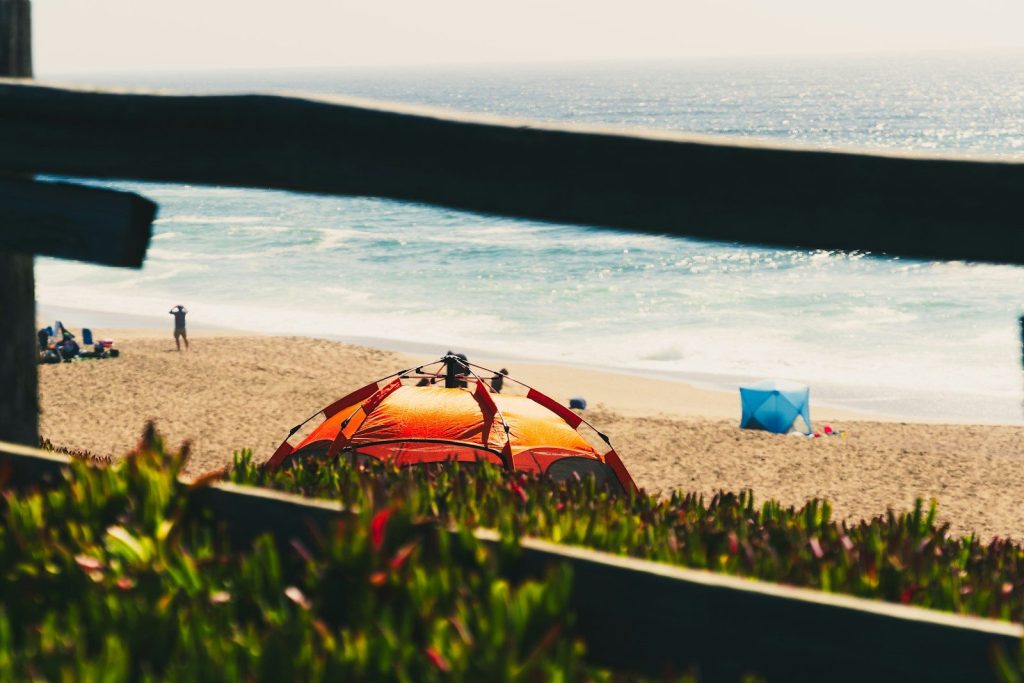
There is nothing quite like hitting the road for a summer camping trip when the days are long and the night skies are perfectly clear. But when the thermometer climbs past 90F (32С), the great outdoors introduces a brutal physical challenge. If your tent is poorly engineered, it acts as a greenhouse, trapping infrared radiation and turning your sleeping quarters into a suffocating, sweat-soaked sauna long before midnight.
Waking up at 5:30 AM because the blinding morning sun has instantly baked your tent interior is a surefire way to ruin a vacation. To get deep, restorative rest during summer expeditions, you need a shelter designed around advanced thermodynamics, maximum cross-ventilation, and light-blocking fabric technology.
Whether you are seeking a sprawling family fortress or a lightweight weekend shelter, here are the top 5 summer camping tents available on Amazon engineered to beat the heat.
The Summer Tent Ventilation & Cooling Matrix
| Tent Model | Floor Capacity | Mesh-to-Fabric Ratio | Special Cooling Tech | Best For | Standout Structural Feature |
| Coleman Dark Room Sundome | 4 / 6 Person | Moderate / Balanced | Dark Room Technology | Late Sleepers & Festivals | Blocks 90% of harsh sunlight |
| MSR Elixir 3 | 3 Person | High (Full upper canopy) | Precision airflow architecture | Hot Backpacking Trails | Balanced thermal-neutral fly |
| Core 9-Person Cabin Tent | 9 Person | Extreme (Full mesh ceiling) | Adjustable ground intake vents | Large Family Basecamps | Double door cross-breeze entry |
| REI Co-op Trailmade 2 | 2 Person | High (Panoramic views) | Stargazing open-air roof | Minimalist Couples | Deep double vestibule air-shades |
| Quechua 2-Second Fresh&Black | 3 Person | Balanced Internal | Fresh & Black 4-layer shell | Pop-Up Quick Setup | High thermal radiation reflection |
Top 5 Hot-Weather Camping Tents Vetted on Amazon
1. The Undefeated Sleep-In King: Coleman Sundome Dark Room Tent
If your biggest summer camping nightmare is being forced out of bed at dawn by blinding sunlight and soaring tent temperatures, this is your structural savior.
-
Why It Wins: Coleman’s proprietary Dark Room technology utilizes a specialized dark coating inside the tent fabric that blocks 90% of incoming sunlight. This doesn’t just allow you to sleep in late; it actively reduces heat buildup inside the tent by up to 10F compared to standard tents, keeping your double sleeping bag zone cool and comfortable.
2. The Premium High-Altitude Trail Companion: MSR Elixir 3 Tent
For hikers who pack their lives into a ventilated backpack and need a technical, breathable shelter that can withstand both brutal daytime sun and unexpected high-mountain ridge winds.
-
Why It Wins: The Elixir 3 balances micro-mesh panels with solid fabric accents to maximize fresh air intake while maintaining privacy and structural wind resistance. Its silver-grey rainfly acts as a passive reflector shield against intense UV radiation, preventing the tent from absorbing core heat during peak afternoon hours.
3. The Ultimate Large Family Breathable Mansion: Core 9-Person Instant Cabin
When managing a large family camping trip with kids in high-temperature zones, a small, enclosed tent will rapidly trigger restlessness and frustration. You need massive volume and constant airflow.
-
Why It Wins: The entire ceiling of this massive cabin tent is constructed from a panoramic micro-mesh screen, allowing hot air to naturally exhaust upward. It features Core’s advanced Adjustable Ground Vent System, which pulls cool air from the shaded floor level and forces warm air out through the roof, creating a continuous convective breeze.
4. The Perfect Stargazing Airflow Design: REI Co-op Trailmade 2 Tent
An exceptional, durable, and highly reliable choice for couples or solo adventurers who want a lightweight setup focused on open-air immersion and panoramic trail views.
-
Why It Wins: The Trailmade 2 features an extensive mesh upper canopy that completely opens your view to the night sky when the rainfly is removed. It includes dual large doors and deep side vestibules that act as protective sunshades, creating a tunnel-like cross-breeze effect when both doors are zipped open.
5. The Ultimate Heat-Reflecting Automaton: Quechua 2-Second Fresh & Black Pop-Up
For festival-goers and casual car campers who prioritize a lightning-fast setup but refuse to roast inside a standard instant tent.
-
Why It Wins: This legendary pop-up structure combines a 10-second pitch time with Quechua’s elite Fresh & Black material technology. The exterior layer is treated with a specialized multi-coat formulation that reflects thermal solar energy away from the structure, while the black interior completely eliminates morning light leaks.
3 Thermodynamic Rules for Staying Cool Inside Your Tent
1. Optimize Your Pitch Location via the “Canopy Matrix”
Never pitch your tent in an open, unprotected summer meadow simply because the ground looks flat. By 1:00 PM, direct solar radiation will heat the nylon material to extreme temperatures, creating a heat-trap that lingers into the night.
-
The Fix: Analyze the sun’s trajectory. Always look for a site that offers heavy Western or Afternoon shade. Utilizing a natural tree canopy or thick brush lines to block the harsh 2:00 PM to 6:00 PM sun ensures your tent materials stay cool before you crawl in to sleep.
2. Master Convective Ground Airflow Routing
Hot air naturally rises, while cool air drops and settles near the forest floor. If your tent only features mesh roof windows but has sealed lower walls, the hot air your body generates will stay trapped around your sleeping pad.
-
The Fix: Always open your tent’s low-profile ground vents completely, and guy-out your rainfly as far as possible. This creates a vacuum effect: cool air is drawn in from the ground level, sweeps across your body, and exhausts warm air out through the mesh ceiling.
3. Swap Bulky Air Beds for Low-Profile Mesh Cots
Thick, heavy vinyl air mattresses or unventilated foam pads trap your body heat against your back, causing aggressive sweating even if the air inside the tent is cool.
-
The Fix: For deep summer car camping, switch your sleep system to an elevated, aluminum-framed camping cot with a tight canvas or mesh base. Lifting your body 4 to 6 inches off the tent floor allows air to circulate completely underneath you, facilitating full-body heat dissipation.
FAQ: Outsmarting Summer Camp Humidity
Q: Should I keep my tent’s rainfly on if there is zero chance of rain?
A: If you are 100% certain that weather fronts are clear and you are sleeping in a secure area, leave the rainfly off entirely. Sleeping with just the raw mesh canopy delivers the absolute maximum airflow possible, eliminates midnight condensation issues, and provides an unforgettable view of the stars. However, keep the rainfly unrolled inside your tent vestibule so you can throw it over the structure within 60 seconds if an unexpected morning dew or flash shower hits.
Q: Does a tent’s footprint help with summer cooling?
A: A custom footprint (ground tarp) does not directly cool the air temperature, but it plays a vital defensive role. The baking summer sun heats up the dirt and rocks beneath your tent. A durable footprint acts as a thermal buffer, preventing that underground heat from transferring directly up through your tent floor into your insulated sleeping pad.
Final Thoughts
Summertime camping is all about embracing long days, but your outdoor adventures shouldn’t come at the cost of a miserable night’s sleep. Upgrading your gear inventory to a specialized, high-airflow cooling shelter like the Coleman Dark Room Sundome, a ventilation-rich Core Cabin, or a premium MSR Elixir allows you to fully control your internal micro-climate. Block out the blinding morning rays, maximize your cross-ventilation loops, and step onto the summer trails feeling completely refreshed and energized!
Disclaimer: As an Amazon Associate, I earn from qualifying purchases. Stay hydrated, shade your camp, leave no trace!