
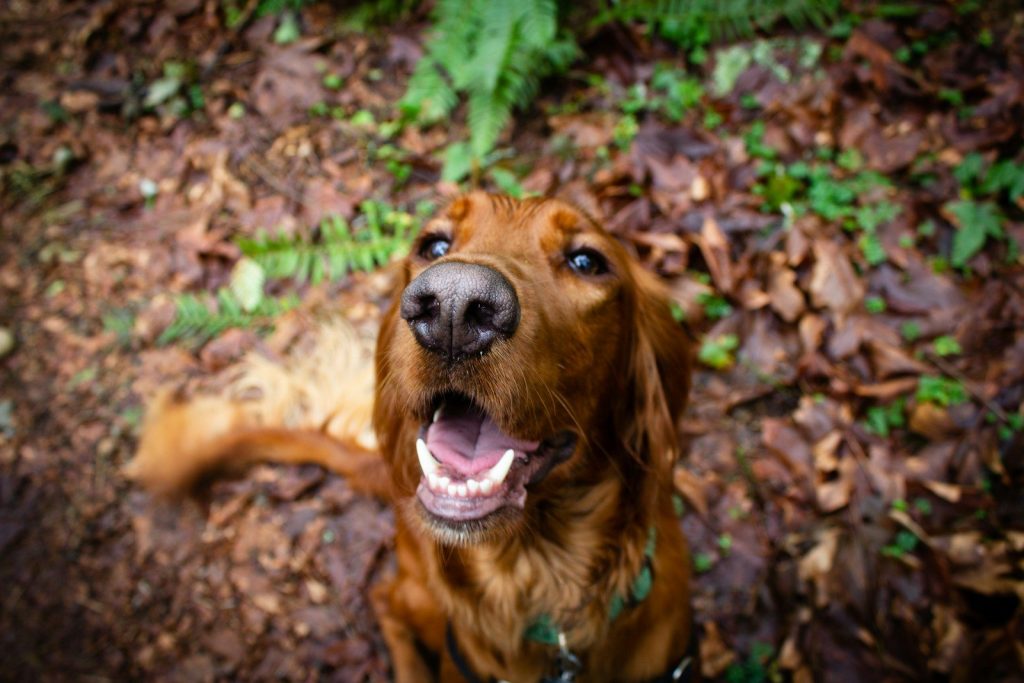
For a high-energy dog, jumping out of the truck at a remote car camping basecamp or exploring singletrack scents ahead of your waterproof hiking backpack is pure euphoria. Dogs are natural outdoor athletes, but their unbridled enthusiasm often leads them straight into hidden wilderness hazards. Sharp granite shale can instantly slice an open pad, thick brush lines harbor nesting ticks, and curious snouts can easily provoke ground bees or venomous snakes.
When an accident happens miles away from the nearest open veterinary hospital, your field medical preparation determines your dog’s recovery window. A common, highly hazardous beginner mistake is throwing a few standard human adhesive bandages into a pack and calling it a day.
Human Band-Aids will not stick to dense dog fur, standard human medical tapes pull and tear skin tight cells, and common human medications like Advil (ibuprofen), Tylenol (acetaminophen), and human-grade iodine are highly toxic to a canine’s internal organs.
To keep your trail companion fully protected, you need a dedicated, species-specific medical system. Here is the professional veterinary blueprint for running canine field first aid, along with the top 4 dog camping medical kits available on Amazon.
The Canine Wilderness First Aid Matrix
| Emergency Scenario | Immediate Biological Threat | Tactical Field Solution | Vital Kit Component |
| Sliced Paw Pad / Claw | Arterial bleeding & severe dirt infection | Pressure wrap that handles fur movement | Cohesive elastic bandage / Booties |
| Allergic Shock / Swelling | Airway closure from bee or spider bites | Rapid histamine block (Vet coordinated) | Pre-measured Diphenhydramine |
| Tick / Thorns Attachment | Vector diseases; oral cavity piercing | Precision removal without twisting heads | Stainless steel tick remover tool |
| Ocular Contamination | Corneal scratching from sand or pine ash | High-volume fluid irrigation wash | Sterile veterinary saline flush |
Top 4 Dog First Aid Kits Vetted on Amazon
1. The Undefeated Gold Standard Command Pack: Adventure Medical Kits Me & My Dog
If you want an elite, highly organized, and dual-functional medical system designed by wilderness doctors specifically for teams traveling deep into the backcountry.
-
Why It Wins: This kit is an absolute masterpiece of trail logistics. It fields comprehensive, clearly labeled medical cells containing premium canine essentials alongside core human items, saving massive space inside your ventilated trail pack. It includes specialized cohesive self-adhering bandages (which wrap tightly around bleeding limbs but stick strictly to themselves—never to the dog’s fur), a comprehensive wilderness first aid manual, hydrogen peroxide for emergency toxin clearing, and a dedicated survival blanket to combat canine shock.
2. The Premium Waterproof Tactical Vault: Rayco Canine Premium First Aid Kit
For overlanders, off-grid explorers, and white-water rafters whose gear is consistently exposed to torrential rain sheets, deep river mud, and heavy equipment vibrations.
-
Why It Wins: The Rayco kit is housed inside a hyper-rugged, bright red, waterproof hard-shell EVA case that rejects external moisture and dust completely. It comes pre-loaded with 50 pieces of vital veterinary-grade medical hardware, including precision locking tweezers, emergency saline eyewashes, stainless steel trauma shears to slice through thick matted fur, and durable rubber pet socks to protect a freshly bandaged paw from wet trail mud.
3. The Ultimate Compact Ultralight Micro-Pack: RC Pet Products Pet First Aid Kit
For minimalist fastpackers, thru-hikers, and long-distance trail runners who track massive daily mileage in their hiking boots and refuse to carry bulky, heavy plastic cases.
-
Why It Wins: Weighing a mere few ounces and compressed into a durable, flexible fabric pouch, this micro-kit adds virtually zero burden to your load carry. Despite its small profile, it expertly hits all foundational survival marks, loaded with antiseptic wipes, sterile gauze pads, elastic conforming wraps, emergency wood splints for joint fractures, and a compact carabiner to clip the pouch straight onto your dog’s hiking tracking harness.
4. The Essential Multi-Pet Budget Workhorse: AKC Pet First Aid Kit (99-Piece)
An exceptional, hyper-organized, and budget-friendly resource designed by the American Kennel Club for families traveling with multiple dogs or cats.
-
Why It Wins: This high-capacity 99-piece kit ensures you never run dry of consumable medical elements during an extended blackout or remote camping vacation. The interior folding pockets open flat to display a massive matrix of cotton swabs, sting-relief pads, vinyl gloves, emergency ice packs for heat exhaustion, and dual tick-removal loops, providing elite security.
3 Critical Field Protocols for Canine Emergency Management
Owning the hardware is only half the battle; you must understand how to execute veterinary stabilization under field pressure before evacuation:
1. Master the “Cohesive Paw Wrap” Geometry
A dog’s paw pads are highly vascularized tissues, meaning a clean slice from sharp river gravel or broken glass will bleed aggressively, causing immediate panic for both the dog and owner.
-
The Protocol: Clean the wound instantly using your sterile saline wash to flush out abrasive sand particles. Place a non-stick sterile gauze pad directly against the cut bed. Take your self-adhering cohesive bandage and wrap it around the paw in a figures-of-eight pattern, anchoring the wrap above the dewclaw joint so the bandage cannot slide off when the dog steps down. Crucial Rule: Never wrap the elastic bandage too tight; if you lose elasticity completely, you act as a tourniquet, cutting off vital arterial blood circulation.
2. Execute the Immediate Muzzle Safety Defense
Even the gentlest, most loving family dog can violently bite their owner when experiencing intense, acute physical trauma (such as resetting a fractured leg or cleaning a deep burn from a propane camp stove). This is a primitive, involuntary nervous system survival response.
-
The Protocol: Before attempting to touch or treat a severely injured dog, always secure their jaw. If your kit lacks a technical muzzle, take a long strip of clean gauze bandage or a soft nylon leash. Wrap it gently over the bridge of your dog’s nose, cross the ends underneath their chin, and tie it securely behind their ears. This completely protects your hands from accidental bites, allowing you to execute life-saving wound care calmly.
3. Establish the Poison Clearance Command
During active foraging around a vegetated camp kitchen area, dogs can rapidly swallow toxic wild mushrooms, decaying animal matter, or human camp trash containing dark chocolate or xylitol gums.
-
The Protocol: If you witness your dog actively consuming a known deadly toxin, you have a tight window to induce vomiting before the compounds absorb into the liver. Check your kit for a clean oral syringe and 3% Hydrogen Peroxide. The universal veterinary guidance is 1 milliliter of 3% hydrogen peroxide per pound of dog body weight. Administer the liquid into the back of their throat; this safely upsets the stomach lining, purging the toxins within 5 to 10 minutes. Note: Never induce vomiting if the dog has swallowed sharp wood sticks or caustic chemical fuels, as this can tear the esophagus.
FAQ: Outsmarting Wilderness Biological Threats
Q: How do I handle a venomous snakebite on my dog on a remote trail?
A: If your dog is struck by a rattlesnake or viper, do not try to cut the wound, use human suction pumps, or apply ice. These old myths aggressively concentrate the venom damage, destroying localized muscle tissue. As heavily detailed in our tactical guide on nighttime camping safety, keep your dog completely calm and physically still to stop their heart rate from pumping the venom faster. Pick your dog up completely, hoist them onto your shoulders or carrier frame, and execute an immediate evacuation to the closest veterinary emergency clinic for antivenom administration.
Q: Can I use human Neosporin on a dog’s trail cuts?
A: Neosporin (triple antibiotic ointment) is generally safe for small localized cuts on a dog’s skin, but you must monitor them continuously post-application. If your dog immediately licks the ointment off, the active ingredients (specifically polymyxin B) can trigger acute digestive distress or allergic reactions inside their stomach. It is vastly safer to clean the wound using veterinary-vetted antiseptic wipes and secure it with a breathable cohesive wrap so they cannot access the injury bed.
Final Thoughts
Your canine companion depends entirely on your logistical foresight to act as their primary protector in the wild. Upgrading your emergency camp parameters from basic human supplies to an engineered canine medical shield like the Adventure Medical Kits Me & My Dog pack or an armored Rayco Vault completely eliminates the dangerous guesswork during a trail crisis. Practice your wrapping patterns, preserve your emergency peroxide assets, and always verify your local vet phone lines before hitting the singletrack loops. With an optimized canine first aid kit anchoring your gear list, you and your best friend can explore the great outdoors with absolute safety and unconditional confidence!
Camping Food for Dogs: The High-Calorie Canine Trail Nutrition Blueprint
Disclaimer: As an Amazon Associate, I earn from qualifying purchases. Field first aid is strictly intended for temporary stabilization until a licensed veterinarian can inspect the animal, hike safe, leave no trace!