
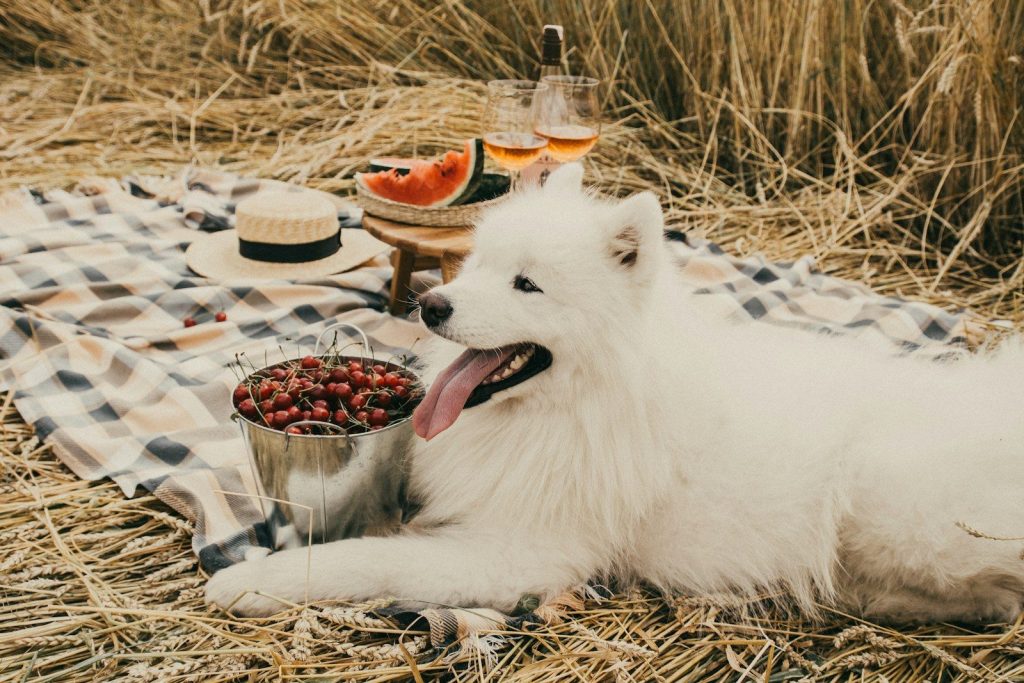
Taking your dog into the backcountry is the ultimate way to strengthen your bond and give your pup a life full of rich, sensory adventure. Watching your canine athlete navigate singletracks, track wilderness scents, and curl up next to your tent at night is incredibly rewarding.
However, transforming your dog into a backcountry trail partner requires careful thermodynamic and biological planning. A common, highly dangerous mistake among beginners is packing the exact same volume of standard daily house kibble for a multi-day wilderness trek.
On the trail, your dog runs, leaps, and explores, easily logging two to three times the physical distance that you do. This intense metabolic exertion, coupled with regulating body temperature in shifting weather, drastically spikes their caloric and hydration demands. Without an intentional, high-density nutrition strategy, your pup can quickly suffer from acute calorie deficits, muscle fatigue, and dangerous dehydration.
Here is the professional, vetted blueprint for managing canine trail nutrition, along with the top 4 dog camping food upgrades available on Amazon.
The Canine Trail Nutrition & Logistics Matrix
| Nutrient Vector | Backcountry Threat | Tactical Engineering Solution | Key Hardware / Food Fix |
| Caloric Density | Muscle wasting & severe energy exhaustion | Swap heavy moisture foods for lightweight fats | Freeze-dried raw toppers / High-calorie paste |
| Hydration Matrix | Acute kidney stress & heat stroke | Continuous electrolyte and fresh fluid delivery | Collapsible food-grade silicone bowls |
| Storage Security | Wildlife attraction & moisture spoilage | Isolate scents inside hard, airtight bounds | Roll-top leak-proof pet food travel bags |
| Digestive Stability | Acute trail diarrhea or stomach bloating | Maintain enzyme continuity; zero table scraps | Pre-measured individual vacuum packs |
Top 4 Canine Trail Food Upgrades Vetted on Amazon
1. The Ultimate Lightweight Nutrient Powerhouse: Stella & Chewy’s Freeze-Dried Raw Dinner Patties
Traditional wet canned dog food is 70-80% water, making it impossibly heavy to haul inside a waterproof hiking backpack. You need the water fully evacuated before transit.
-
Why It Wins: Stella & Chewy’s utilizes advanced freeze-drying technology to eliminate water weight while preserving 100% of the raw, bioavailable proteins, organs, and bone nutrients. Packed with 95% meat and bone, a tiny, lightweight handful delivers a massive caloric and protein blast. Simply crumble the patties over your dog’s bowl, add a splash of warm water from your camp stove, and watch it rehydrate into a gourmet, muscle-restoring raw meal within 60 seconds.
2. The Emergency High-Calorie Kinetic Fuel: Tomlyn High-Calorie Nutritional Gel for Dogs
When working long mountain ascents, your dog may experience a sudden energy drop (hypoglycemia) or refuse to eat dry food due to environmental stress or trail heat fatigue.
-
Why It Wins: Tomlyn is a veterinary-grade, highly concentrated caloric paste packed into a lightweight squeeze tube. A single squeeze delivers high-density fats, vitamins, and energy substrates that absorb rapidly into your dog’s bloodstream. It features an irresistible malt flavor, acting as a critical life-support energy injection when your pup needs to push through the final miles of a demanding ridge loop.
3. The Airtight Odor-Lock Travel Vault: Kurgo Kibble Carrier Bag
Packing dog food inside flimsy, thin plastic grocery bags or ziplocks is a major hazard. The sharp kibble edges puncture the plastic, oils leak onto your technical clothing, and smells attract rodents and predators.
-
Why It Wins: Built from rugged, hex-weave nylon ripstop, this specialized carrier uses a secure roll-top closure system based directly on high-end waterproof dry bags. It completely seals in food odors, blocks external moisture from ruining the food, holds up to 5 pounds of dry kibble, and features a convenient zippered bottom pocket to store collapsible feeding bowls.
4. The Space-Saving Micro Dining Station: Prima Pets Collapsible Silicon Travel Bowls
Standard steel or heavy plastic pet bowls are noisy, rigid, and take up huge, impractical amounts of space inside your gear layout.
-
Why It Wins: Molded from heavy-duty, non-toxic, food-grade silicone, these premium bowls collapse entirely flat into a slim 0.5-inch disc within seconds. They feature a rigid plastic rim to prevent food spills on uneven camp dirt and include a built-in carabiner clip, allowing you to anchor the wet bowl to the exterior mesh of your pack to dry passively while you hike.
3 Strategic Rules for Canine Backcountry Feeding
To keep your trail companion operating at peak physical health while protecting your camp perimeter, build these three professional habits into your routine:
1. Calculate and Deploy the “Trail-Multiplier” Calorie Formula
Do not feed your dog their standard couch-potato portion size on a backpacking trip. For every 5 miles your dog logs over rugged terrain or steep elevation, their energy output escalates drastically.
-
The Protocol: For moderate day-hikes, increase your dog’s normal daily food portion by 25% to 50%. For grueling, multi-day backpacking trips where your pup is wearing a dog pack or traversing freezing winter camping terrain, increase their caloric intake by 100% (double their normal portion). Introduce these extra calories via clean, high-density fats and proteins (like freeze-dried raw mixers) rather than simply packing more high-fiber carbohydrate fillers, which can trigger loose bowels.
2. Enforce the Strict “60-Minute Post-Exertion Rest” Window
Deep-chested breeds (such as German Shepherds, Labradors, Boxers, and Great Danes) are highly susceptible to Gastric Dilation-Volvulus (GDV)—a life-threatening emergency commonly known as stomach bloat. GDV occurs when a dog eats a large meal or drinks immense amounts of water while hyperventilating, causing the stomach to fill with gas and physically twist inside the abdomen.
-
The Protocol: Never feed your dog a large meal immediately before a steep climb or right after stopping a fast run. When you arrive at your campsite, make your dog lie down in a shaded, comfortable spot for at least 45 to 60 minutes to allow their heart rate, respiration, and body temperature to normalize fully before offering their primary evening meal.
3. Lock Down the Zero-Scent Storage Habit Separately
Just like human vegetarian stews, dehydrated curries, and snacks, your dog’s food carries a powerful olfactory signature that cuts directly through tent walls, calling out to black bears, coyotes, raccoons, and field mice.
-
The Protocol: As heavily detailed in our core guide on camping safety at night, treat dog food exactly like human attractants. Never feed your dog inside the sleeping tent. Store the Kurgo Kibble Carrier 200 feet away from your tent inside a certified bear-proof canister or a locked vehicle trunk. Pack out any uneaten food debris from their bowl immediately—never leave a partial meal sitting out on camp dirt overnight.
FAQ: Outsmarting Trail Hydration and Fatigue
Q: Can my dog drink fresh water directly from wilderness rivers and alpine lakes?
A: No, never let your dog drink unpurified backcountry water. Just like humans, dogs are highly vulnerable to waterborne microscopic parasites like Giardia and Cryptosporidium, as well as toxic blue-green algae blooms in stagnant summer pools. Giardia infection causes severe, explosive bloody diarrhea, vomiting, and acute dehydration that can turn into a veterinary emergency on a remote trail. Always process your dog’s drinking water using your primary camp water filter system.
Q: How do I handle a dog that refuses to eat its food at camp?
A: Extreme physical exhaustion, heat, or the unfamiliar anxiety of sleeping inside a new tent can cause dogs to temporarily lose their appetite. Do not try to force them to eat dry kibble. Instead, add warm water to create a rich, savory gravy, or squeeze a tablespoon of Tomlyn high-calorie paste directly onto their tongue. The high-fat sugars will jumpstart their blood glucose levels and naturally stimulate their drive to eat the rest of their meal.
Final Thoughts
Your dog will happily follow you to the ends of the Earth, but their trail safety and endurance rest entirely on your logistical preparation. Upgrading your pet care inventory from heavy, watery canned goods to advanced, high-density solutions like Stella & Chewy’s freeze-dried raw patties, compact calorie gels, and odor-locking carriers ensures your pup’s muscles recover perfectly from heavy athletic loading. Keep their hydration filtered, calculate their caloric expansion windows accurately, and protect your campsite boundaries from wildlife. With a highly optimized, clean nutrition system in place, you and your best friend can dominate hundreds of miles of pristine singletrack loops with absolute energy and physical confidence!
How to Protect Dogs from Ticks: The Ultimate Trail Safety Guide
Disclaimer: As an Amazon Associate, I earn from qualifying purchases. Monitor your dog’s paw pads and hydration levels regularly on hot trails, explore safely, leave no trace!