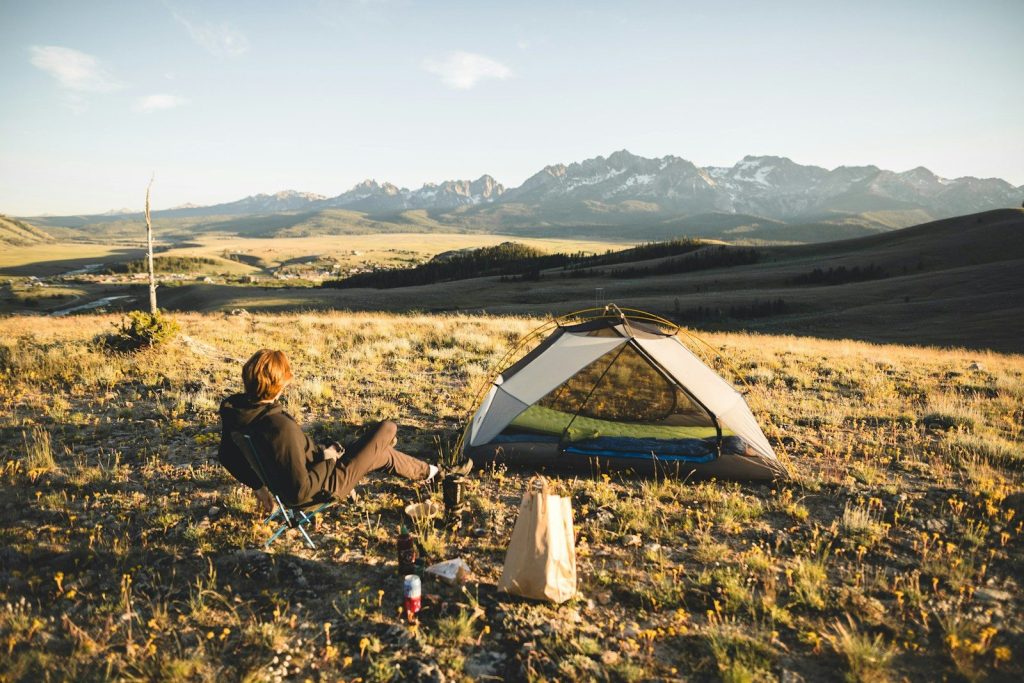
Solo camping is one of the most rewarding outdoor experiences you can have. It gives you full freedom, peace, and a deeper connection with nature. But it also comes with unique risks. When you’re alone in the wilderness, preparation and smart decision-making become absolutely critical.
This guide covers practical safety tips for solo camping along with essential gear you can easily find on Amazon, so you can plan a safer and more enjoyable trip.
1. Always Share Your Camping Plan
Before you leave, make sure someone knows:
- Your exact location
- Your planned route
- Your expected return time
- Emergency contacts
This is one of the most important solo camping safety rules. If something goes wrong, rescuers will know where to start looking.
You can also leave a written copy in your car or send a location pin via Google Maps.
2. Choose a Safe and Legal Campsite
When camping alone, location matters more than anything else.
Look for:
- Established campgrounds (best for beginners)
- Areas with ranger presence
- Locations with cell signal (if possible)
- Avoid isolated, high-risk wildlife zones if you’re inexperienced
National forests and state parks are usually safer than completely remote wilderness areas.
3. Invest in a Reliable Tent (Your First Line of Defense)
Your tent is your shelter, protection, and psychological comfort zone.
Look for:
- Easy setup (important if you arrive late)
- Waterproof materials
- Strong wind resistance
- Good ventilation
Popular options on Amazon:
A high-quality tent can make the difference between a stressful night and a comfortable one.
4. Never Camp Without a Headlamp
A flashlight is not enough when you’re alone. You need hands-free lighting.
A headlamp helps you:
- Set up camp in the dark
- Cook safely
- Move around at night
- Handle emergencies
Recommended on Amazon:
Always carry extra batteries or a rechargeable model.
5. Bring a Portable Power Bank (Stay Connected)
Even if you want a digital detox, your phone is your emergency lifeline.
Use it for:
- GPS navigation
- Emergency calls
- Weather updates
Good Amazon options:
A dead phone in the wilderness is a serious risk.
6. Carry a Water Filtration System
Never rely on natural water sources without treatment.
Essential options:
- Portable filters
- Purification straws
- Tablets as backup
Top picks:
Clean drinking water is one of the most critical survival needs in solo camping.
7. Pack a First Aid Kit (And Know How to Use It)
A well-stocked first aid kit is non-negotiable.
Make sure it includes:
- Bandages and gauze
- Antiseptic wipes
- Pain relievers
- Blister treatment
- Tweezers
Recommended:
Even minor injuries can become serious when you’re alone.
8. Learn Basic Navigation Skills
Don’t rely only on your phone.
Bring:
- Physical map
- Compass
- GPS device (optional but helpful)
And learn how to:
- Read topographic maps
- Identify trail markers
- Navigate without GPS
This is especially important in areas with poor signal.
9. Keep Wildlife Safety in Mind
Wild animals usually avoid humans, but you still need to be careful.
Key rules:
- Store food away from your tent
- Use bear-proof containers where needed
- Never leave food scraps around camp
- Avoid strong food odors near sleeping areas
Search gear:
10. Trust Your Instincts
One of the most underrated solo camping safety tips is simple: listen to your gut.
If something feels wrong:
- Move locations
- Pack up early
- Avoid unfamiliar people or areas
No campsite is worth risking your safety.
11. Stay Weather-Aware at All Times
Weather can change quickly outdoors.
Before and during your trip:
- Check forecasts daily
- Watch for storms or high winds
- Avoid camping in flood-prone areas
A small weather radio can also be extremely useful.
Search:
12. Use a Multi-Tool for Emergencies
A good multi-tool is like carrying an entire toolbox in your pocket.
It can help you:
- Cut rope
- Repair gear
- Open cans
- Handle small emergencies
Top options:
Final Thoughts
Solo camping can be incredibly empowering when done right. The key is preparation: the more you plan ahead, the safer and more enjoyable your experience will be.
Disclaimer: As an Amazon Associate, I earn from qualifying purchases. Drink smart, hike safe!