
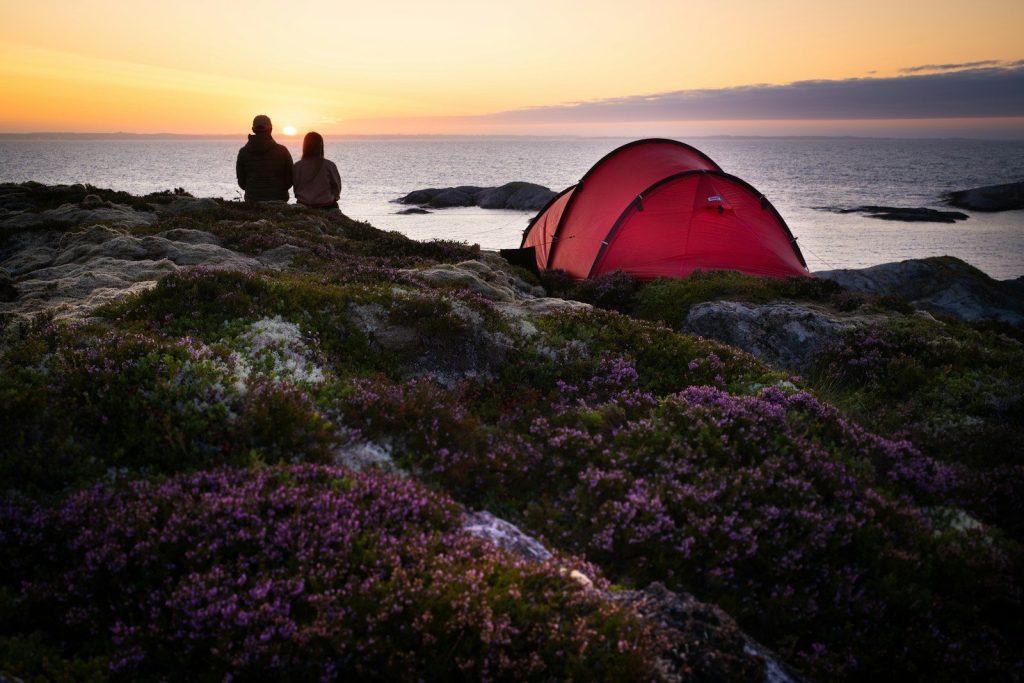
Planning a camping trip can feel overwhelming, especially with the surge in popularity of outdoor travel. From securing a permit to ensuring your Bear Canister is packed, every detail matters. A well-planned trip means less stress at the trailhead and more time enjoying the sunset.
Whether you are planning a solo backcountry trek or a family weekend at a state park, follow this professional 5-step framework to ensure your adventure is a success.
Step 1: Define Your Camping Style
Before you look at maps, decide what kind of experience you want.
-
Car Camping: You drive right up to your site. You can bring luxury items like a Heavy Duty Cooler and a large Family Tent.
-
Backpacking: You carry everything on your back. Weight is your enemy, so you’ll need an Ultralight Backpack and minimalist gear.
-
Pro Tip: If you’re a beginner, start with car camping. It’s a “safety net” that allows you to retreat to your vehicle if things get too cold or wet.
Step 2: Choose the Perfect Location
In 2026, the best spots fill up months in advance.
-
Research Tools: Use apps like The Dyrt, Recreation.gov, or AllTrails to find sites with the amenities you need (water, toilets, or fire rings).
-
Check the Terrain: As we mentioned in our Hiking Boot Guide, ensure the trails match your physical fitness level. Don’t plan a 10-mile hike if you’ve only ever done 2.
Step 3: Check Weather and Fire Regulations
Weather in the mountains changes in minutes.
-
The 3-Day Rule: Check the forecast 3 days before you leave and again the morning of your trip.
-
Fire Bans: Dry summers often lead to strict fire bans. If you can’t build a fire, ensure you have a reliable Liquid Fuel Stove for cooking.
-
Safety First: As discussed in How to Start a Fire Safely, always follow local ranger advice regarding campfire safety.
Step 4: Organize Your Gear (The Checklist)
Don’t rely on your memory. Use a structured approach to packing.
-
Shelter: Tent, footprint, and stakes.
-
Sleep System: Side Sleeper Bag, pad, and pillow.
-
Kitchen: Camping Kettle, stove, fuel, and biodegradable soap.
-
Clothing: Thermal Underwear, rain shell, and extra socks.
-
Safety: Bear Spray, First Aid Kit, and a High-Lumen Headlamp.
Camping Planning Timeline
| Time Before Trip | Task | Why? |
| 3-6 Months | Book your campsite | Popular spots fill up fast |
| 1 Month | Inspect your gear | Check for holes or expired food |
| 1 Week | Buy groceries | Pre-prep meals to save time |
| 3 Days | Check weather | Adjust your clothing layers |
| Day Of | Share your itinerary | Safety: someone should know where you are |
Step 5: Meal Prep and Hydration
Food tastes better outdoors, but only if you have a plan.
-
Pre-Prep: Chop veggies and marinate meats at home. Store them in airtight containers in your Camping Cooler.
-
Water: Know your water source. If there’s no tap, you must bring a Water Filter or carry at least 1 gallon (4 liters) per person, per day.
-
Energy: Don’t forget high-calorie snacks to fuel your hikes, as we suggested in Best Camping Breakfasts.
3 Critical Planning Mistakes to Avoid
-
Arriving After Dark: Trying to pitch a Modern Tent in the dark for the first time is a recipe for frustration. Aim to arrive at least 2 hours before sunset.
-
Over-Packing: If you have to struggle to close your trunk, you’ve brought too much. Focus on quality, multi-purpose gear.
-
Ignoring “Leave No Trace”: Always pack out everything you pack in. Respecting the wilderness ensures it stays open for everyone.
FAQ: Trip Planning
Q: How do I find free camping?
A: Look for “Dispersed Camping” on BLM (Bureau of Land Management) or National Forest lands. You won’t have toilets or water, but you’ll have total solitude.
Q: What if I forget something important?
A: Most state parks have a small “Camp Store” for essentials like ice, wood, and matches. However, always carry an Emergency Blanket just in case.
Final Thoughts
A successful camping trip isn’t about having the most expensive gear; it’s about having the right plan. By doing your research and organizing your Hiking Backpack ahead of time, you’re setting yourself up for an unforgettable experience.
Disclaimer: As an Amazon Associate, I earn from qualifying purchases. Plan well, explore often!
Read too: How to Set Up a Tent Properly: A Step-by-Step Guide for Beginners