
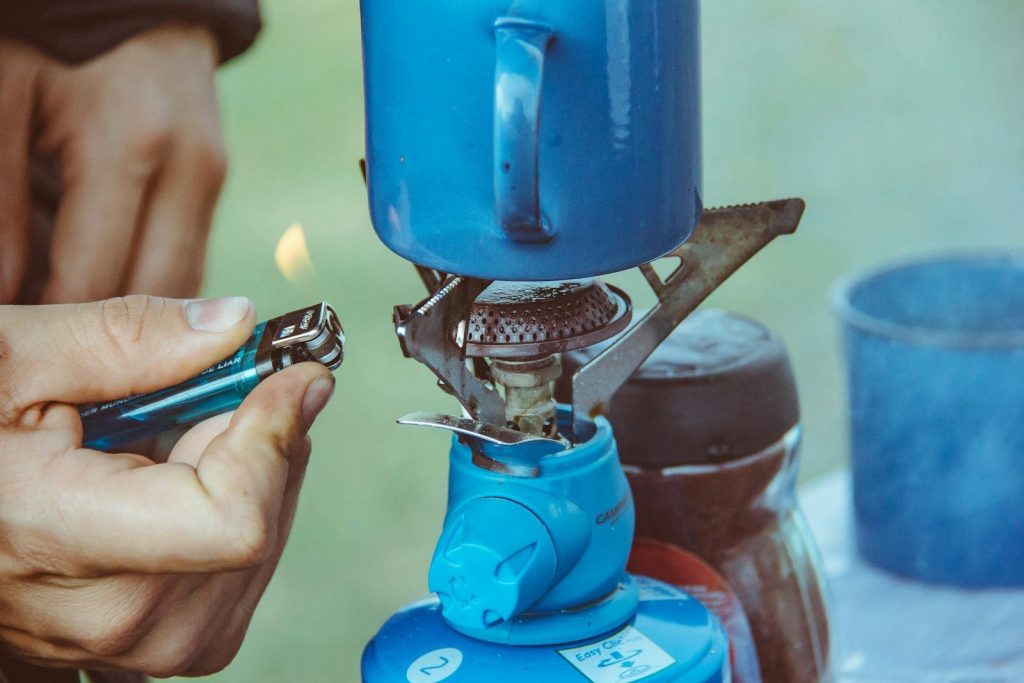
When it comes to backcountry cooking, your stove is your most critical piece of survival and comfort gear. It determines how fast you get your morning coffee, how reliably you can rehydrate your meals, and—in critical winter scenario—whether you can melt snow for life-saving drinking water.
The outdoor market is fundamentally split into two technological design styles: Canister Gas Stoves (running on pressurized Isobutane-Propane blends) and Liquid Fuel Stoves (running on white gas, kerosene, or unleaded gasoline). Choosing the wrong system can lead to a sputtering flame that fails in freezing weather, or an unnecessarily heavy, soot-covered steel apparatus inside a lightweight weekend pack.
To help you optimize your kitchen packing strategy, let’s break down the mechanics, efficiency, and engineering realities of gas versus liquid fuel systems.
The Backcountry Fuel Performance Matrix
| Feature / Metric | Canister Gas Stoves (Isobutane) | Liquid Fuel Stoves (White Gas) |
| Best Performance Env | Spring, Summer, Moderate Altitude | Extreme Cold, Sub-Zero, High Altitude |
| Setup Time | Under 10 seconds (Screw on & light) | 2–3 minutes (Requires manual priming) |
| Simmer Control | Exceptional (Highly adjustable flame) | Moderate to Poor (Tends to run full blast) |
| International Availability | Difficult to find in remote rural villages | Universal (Any gas station or hardware store) |
| Maintenance Required | Zero (Self-contained, sealed system) | High (Requires field cleaning and jet clearing) |
| Eco-Footprint | Heavy (Metal canisters must be recycled) | Low (Refillable aluminum fuel bottles) |
Canister Gas Stoves: The Speed & Convenience Champions
Canister stoves are the gold standard for the vast majority of modern backpackers, thru-hikers, and car campers. They rely on pre-pressurized metal canisters that contain a liquefied blend of isobutane and propane.
How They Work:
You simply thread the stove directly onto the top valve of the canister, turn the control knob to release the gas, and strike a match or click a piezo igniter.
Why They Win:
-
Plug-and-Play Simplicity: There is zero learning curve. You don’t have to pump fuel, clear clogged fuel lines, or deal with messy spills inside your pack.
-
Precision Temperature Adjustments: If you love cooking actual trail meals rather than just boiling water, canister gas offers flawless simmer control. You can drop the flame to a low whisper to slow-cook rice without burning the bottom of your pot.
-
Ultralight Form Factor: Micro-stoves (like the iconic PocketRocket series) weigh less than 3 ounces and fold down small enough to fit inside a standard coffee mug.
Vetted Amazon Canister Favorites:
-
The Micro-Backpacking Legend: MSR PocketRocket 2 Ultra-Light Stove
-
The Integrated Windproof System: MSR WindBurner Personal Stove System
Liquid Fuel Stoves: The Unstoppable Expedition Workhorses
Liquid fuel stoves are the undisputed choice for mountaineers, winter survivalists, and international overland explorers who travel far beyond the grid. They rely on heavy-duty, refillable aluminum bottles that must be manually pressurized using a hand pump.
How They Work:
You assemble the fuel line, pump the bottle to create internal pressure, and perform a process called priming. This involves letting a small amount of liquid fuel pool at the base of the stove, lighting it to create a temporary dirty flame that heats up the generator tube, which transforms the incoming liquid fuel into a highly pressurized, roaring gas vapor.
Why They Win:
-
Unbeatable Cold-Weather Physics: As a gas canister expels fuel, it drops in temperature. In freezing weather, the pressure drops drastically, resulting in a weak, sputtering flame. Liquid fuel stoves don’t suffer from this; manual pumping forces the fuel out consistently even at -20°F.
-
Global Fuel Flexibility: If you are trekking through rural areas of South America, Asia, or Eastern Europe, finding a specific outdoor-brand threaded isobutane canister is nearly impossible. A multi-fuel liquid stove can run happily on standard unleaded automotive gasoline from a pump, kerosene, or diesel fuel.
-
Long-Trip Resource Efficiency: On multi-week trips, carrying ten empty metal gas canisters creates massive garbage volume. Liquid fuel allows you to buy white gas in large, cost-effective gallon jugs and pour exactly what you need into a single reusable bottle.
Vetted Amazon Liquid Fuel Favorites:
-
The Multi-Fuel Global Explorer: MSR WhisperLite International Multi-Fuel Stove
-
The Industrial Winter Powerhouse: MSR XGK EX Extreme Condition Stove
3 Critical Rules for Stove Deployment Success
1. Never Use Liquid Stoves Inside Your Tent Vestibule
During the priming phase of a liquid fuel stove, the raw liquid fuel catches fire before converting to vapor. This creates a temporary, unpredictable yellow fireball that can leap 1 to 2 feet into the air. If you attempt this inside a nylon tent structure, you risk melting your pop-up family tent ceiling or causing a devastating flash fire. Always prime liquid fuel stoves completely outside in the open air.
2. Protect Canisters From Frozen Ground Insulation
If you choose to use a gas canister stove in late autumn or mild winter, never let the metal bottom of the gas canister sit directly on frozen snow or stone. The cold ground will accelerate the pressure drop inside the fuel matrix. Place the canister on top of a small piece of closed-cell foam pad, a wooden camp cutting board, or use an inverted canister stove system with a stabilizer stand.
3. Track Your Burn Rates for Snow Melting
Melting hard-packed snow into drinking water consumes twice as much fuel as simply boiling cold liquid water from a stream. If your winter route relies entirely on snow melting, plan your fuel weights carefully:
-
For Gas Canisters: Allocate roughly 4 to 5 ounces (110–140 grams) of fuel per person per day.
-
For Liquid White Gas: Allocate roughly 4 to 5 fluid ounces (120–150 ml) of liquid fuel per person per day.
FAQ: Deep Technical Realities
Q: Can you take cooking stoves and fuel on commercial flights?
A: Pressurized gas canisters and liquid fuel chemical mixtures are completely banned inside both checked and carry-on luggage on all commercial airplanes. However, you can fly with the physical stove itself, provided it is thoroughly cleaned of all chemical odors. If traveling with a liquid fuel bottle, wash it out completely with soapy water, let it air-dry for days so no gas smell remains, and leave the cap off so TSA agents can inspect it easily.
Q: Why does my liquid fuel stove sound like a jet engine?
A: Liquid fuel stoves force pressurized vaporized fuel through an incredibly tiny metal aperture (the jet) at immense speed. This high-velocity gas mixing with oxygen creates a distinct, loud roaring sound. It is a sign of healthy structural performance and maximum thermal output—though it can disrupt the quiet morning serenity of a tranquil campsite.
Final Thoughts
The choice between gas and liquid fuel comes down to an honest assessment of your trail environment. If your outdoor calendar consists of spring backpacking loops, summer car camping, and fast weekend treks where speed and zero maintenance are key, buy an ultra-light canister system like the MSR PocketRocket. But if you plan to conquer sub-zero winter peaks, head out on long multi-week expeditions, or travel internationally where specialty gear shops don’t exist, pack a rugged, multi-fuel workhorse like the MSR WhisperLite. Match your fuel system to your terrain, pack a reliable backup ignition spark, and keep your trail kitchen cooking safely!
Disclaimer: As an Amazon Associate, I earn from qualifying purchases. Burn clean, cook safe, leave no trace!