
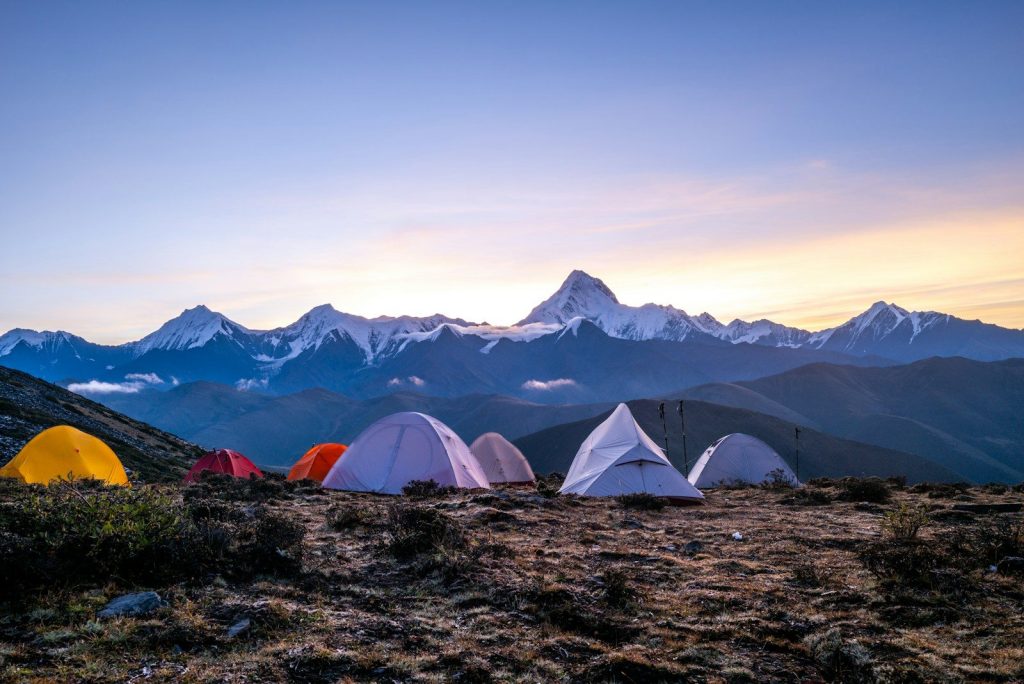
Planning a family camping trip is a delicate balancing act. If you choose a location that is too rugged and isolated, you run the risk of exhausting your children and turning a fun weekend into a logistical nightmare. If you choose a spot that is too crowded and commercialized, you miss out on the authentic, starry-night magic of the great outdoors.
The ideal family campground needs to serve as a secure home base. It should offer clean, accessible amenities (like flush toilets and potable water tables), gentle hiking loops suitable for small feet, and nearby natural features—like calm lakes, shallow creeks, or unique rock formations—to keep young minds engaged for hours.
From the dramatic granite peaks of the West to the lush, rolling forests of the East Coast, here are the top 5 family camping destinations that balance outdoor adventure with family-friendly comfort.
The Family Campground Destination Matrix
| Destination Location | Best Age Range | Key Natural Attraction | Campground Amenities | Best Season |
| Yosemite (Upper Pines), CA | All Ages | Granite cliffs, massive waterfalls | Flush toilets, shuttle bus access | Late Spring / Summer |
| Smoky Mountains (Elkmont), TN | 6–14 Years Old | Shallow tubing rivers, fireflies | Paved pads, historic district | Summer / Autumn |
| Acadia (Seawall), ME | 4–12 Years Old | Tide pools, ocean rocky shores | Flush toilets, dump station | Summer |
| Zion (Watchman), UT | 8+ Teens | Dramatic red rock canyons | Electric hookups, flush toilets | Spring / Autumn |
| Ludington State Park, MI | Toddlers & Kids | Sandy lake beaches, sand dunes | Fully modern showers, playground | Mid-Summer |
Top 5 Family Camping Sites Vetted for Adventure
1. The Crown Jewel of the West: Yosemite National Park (Upper Pines), California
Yosemite is a bucket-list destination for a reason. Standing beneath the towering monoliths of El Capitan and Half Dome instantly inspires awe in children and adults alike.
-
Why Families Love It: Upper Pines Campground sits deep within Yosemite Valley, offering immediate access to the park’s free hybrid shuttle system. This means you can park your vehicle once, pitch your family tent, and easily transport your kids to stroller-friendly loops like Lower Yosemite Fall or Mirror Lake without battling traffic.
-
Gear Essential: Yosemite is active bear country. You must utilize the heavy-duty metal bear-proof food lockers provided at every single campsite to secure your high-energy hiking snacks.
2. The River-Tubing Paradise: Great Smoky Mountains (Elkmont), Tennessee
The Great Smoky Mountains offer misty green ridges, historic homesteads, and some of the richest biodiversity in North America. Elkmont is the largest and most historically rich campground in the park.
-
Why Families Love It: The Little River runs directly along the edges of the campground. During hot summer days, families can rent inner tubes and spend hours floating down the calm, shallow waters. At night, Elkmont turns into a magical theater, especially during late spring when the world-famous synchronous fireflies light up the forest floor.
-
Gear Essential: Mountain weather can shift rapidly. Ensure your children are equipped with lightweight windproof rain jackets for sudden afternoon ridge showers.
3. Where Mountain Meets Ocean: Acadia National Park (Seawall), Maine
Located on Mount Desert Island, Acadia offers a completely unique landscape where jagged, pink granite coastlines crash directly into dark pine forests. Seawall Campground provides a quieter, deeply relaxing family atmosphere.
-
Why Families Love It: Seawall is a short, flat walk away from the ocean shoreline. Children can spend hours exploring tide pools, hunting for hermit crabs, starfish, and unique sea shells. It’s also incredibly close to the smooth, gravel “Carriage Roads”—perfect paths for a family bike ride without worrying about vehicle traffic.
-
Gear Essential: The Atlantic ocean breeze can turn cold quickly, even in July. Pack warm base layers and reliable ultralight headlamps for late-night stargazing on the rocky shores.
4. The High-Adventure Desert Oasis: Zion National Park (Watchman), Utah
If your family includes energetic older kids or teenagers who love dramatic, towering landscapes, Zion’s red neon sandstone walls provide an unforgettable backdrop.
-
Why Families Love It: Watchman Campground sits right inside the south entrance, boasting rare desert luxuries like shaded tent structures and electrical hookups. It is positioned right next to the Virgin River and the Pa’rus Trail—a completely paved multi-use path perfect for scooters, bicycles, and sunset strolls.
-
Gear Essential: The desert sun is intense. A high-quality UPF 50+ sun hoody is mandatory to prevent sunburns during long exposure hikes.
5. The Ultimate Freshwater Beach: Ludington State Park, Michigan
For families who want a classic, midwestern lake vacation wrapped inside a pristine state park framework, Ludington is an absolute masterpiece.
-
Why Families Love It: It is sandwiched directly between the calm, warm waters of Hamlin Lake and the massive, sandy beaches of Lake Michigan. It features miles of beautiful boardwalk trails, an iconic historic lighthouse, a warm ribbon river perfect for lazy floating, and modern campground facilities equipped with clean hot showers and playgrounds.
-
Gear Essential: Walking through deep sand dunes requires agile, breathable footwear. Switch your kids out of heavy boots and into fast-drying trail running shoes.
3 Rules for Managing a Family Campsite Successfully
-
Book Months in Advance: In 2026, premium national and state park campsites fill up within seconds of their reservation windows opening (typically 6 months ahead on platforms like Recreation.gov). Mark your calendar and set alarms—never try to “wing it” with a family in tow.
-
Maintain a Familiar Routine: The wilderness can be overwhelming for small children. To prevent late-night tantrums, keep their bedtime, nap schedules, and meal routines as close to home-life as possible. Bring a favorite stuffed animal or a familiar camp blanket inside their compact sleeping bag.
-
Gamify the Trail: Don’t just march your kids up a hill. Turn your daily hikes into a scavenger hunt. Give them a pocket checklist of items to find: a pinecone, a bird feather, animal tracks, or a specific type of moss. This keeps their minds occupied and prevents them from focusing on physical fatigue.
FAQ: Family Camping Logistics
Q: What is the ideal age to start taking kids camping?
A: There is no minimum age! Many outdoor families camp safely with infants as young as 3 to 6 months old. However, ages 4 and up are generally considered the “sweet spot,” where children can actively hike short distances, understand basic campfire safety rules, and fully participate in camp chores.
Q: How do we handle electronics and screen-time in the woods?
A: Establish a clear rule before you leave the driveway. Consider keeping smartphones locked in the car or reserved strictly for emergency communication, trail navigation, and capturing family photos. Replacing screens with pocket magnifying glasses, compact binoculars, and night-sky star maps shifts their focus entirely onto the natural world.
Final Thoughts
Taking your family into the wild is one of the most powerful ways to build resilience, unplug from digital distractions, and forge lifelong bonds. Whether you choose the rushing waters of Elkmont in the Smokies, the dramatic rocky shores of Acadia, or the sandy dunes of Ludington, picking an established, amenity-rich campground ensures your adventure stays safe, comfortable, and deeply rewarding. Gear up, pack your maps, and go make some history together!
Disclaimer: As an Amazon Associate, I earn from qualifying purchases. Build memories, leave no trace!