
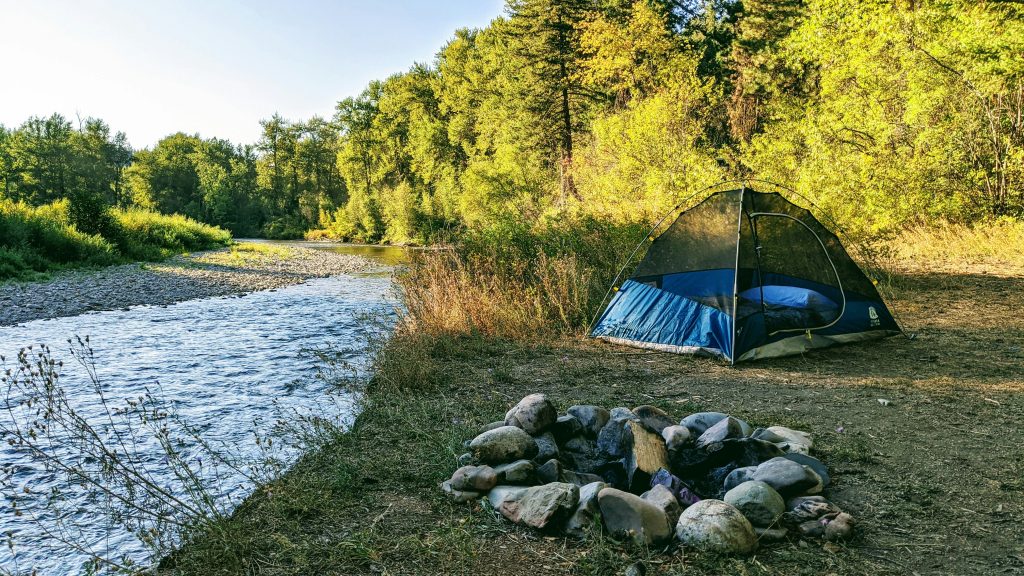
There is a steep learning curve in the wilderness. For beginners, camping seems simple: drive to the woods, pitch a tent, roast some marshmallows, and sleep under the stars. But anyone who has spent a few dozen nights in the backcountry knows that nature is completely unforgiving of poor planning, laziness, or overconfidence.
A single oversight—like forgetting a tiny headlamp toggle lock or ignoring a subtle shift in the clouds—can instantly downgrade a dream weekend into a miserable, cold, and potentially dangerous survival situation.
Whether you are planning your very first car-camping trip with the kids or prepping for a grueling 20-mile thru-hike, here are the most common camping mistakes to avoid, along with the exact field-tested strategies to prevent them.
The Camp Failure Matrix
| The Mistake | The Immediate Consequence | How to Fix It |
| Testing Gear at the Campsite | Missing parts, broken poles, frustration | Set up everything in your backyard first |
| Bad Tent Site Selection | Waking up in a cold puddle of water | Avoid depressions; camp on high, dry ground |
| Improper Food Storage | Raccoons, rodents, or bears ruin supplies | Use a dedicated bear canister or durable dry bag |
| Underestimating the Cold | Shivering all night; zero sleep | Trust the Pad R-value, not just the sleeping bag |
| Arriving After Dark | Pitching a tent blindly in the mud | Plan your itinerary to arrive 2 hours before sunset |
The Top 5 Camping Mistakes & How to Avoid Them
1. Waiting Until You Arrive to Test Your Gear
The classic rookie mistake: arriving at your remote campsite, unboxing a brand-new backpacking tent, and realizing it is missing two critical stakes, or that you don’t know how to weave the rainfly tension cords.
-
The Fix: Transform your living room or backyard into a test zone. Unpack every single piece of gear before your trip. Fire up your windproof camp stove to ensure the piezo igniter works, inflate your sleeping pad to check for micro-punctures, and test your ultralight headlamp settings.
2. Trusting the “Comfort Rating” on Your Sleeping Bag
Many campers buy a sleeping bag rated for “30°F” and assume they will sleep warmly when the midnight thermometer hits 30°F. In reality, a bag’s temperature rating often indicates the survival limit, not the comfort limit. Furthermore, they completely ignore ground insulation.
-
The Fix: Always look for the ISO/EN Comfort Rating, which is typically 10 to 15 degrees higher than the advertised limit. More importantly, pair your bag with a high-quality insulated pad. If your pad has an R-value below 2.0, cold ground will pull heat directly out of your body, rendering even the warmest down sleeping bag useless.
3. Creating a Camp Kitchen Right Next to Your Tent
Leaving an open bag of trail mix inside your tent or cooking dinner right outside your vestibule is an open invitation for wildlife. While bears are the main concern in certain regions, tiny critters like mice, raccoons, and chipmunks are far more common culprits. They will easily chew straight through your expensive nylon tent wall to reach a single wrapper of peanut butter.
-
The Fix: Practice the “Camp Triangle Rule.” Establish your sleeping zone, your cooking kitchen, and your food storage area at least 200 feet apart from each other in a triangle configuration. Store all food, trash, and scented toiletries (toothpaste, lip balm) inside a locked hard-sided vehicle or a specialized bear-proof canister.
4. Overpacking Clothing and Heavy Cotton Fabrics
Packing six heavy cotton t-shirts and two pairs of thick denim jeans “just in case” will quickly turn your hiking pack into a heavy, back-breaking anchor. As we covered in our deep dive on ultralight hiking clothing, cotton traps moisture, dries incredibly slowly, and accelerates chafing.
-
The Fix: Adopt the technical 3-layer system and pack light. You only need one set of synthetic clothes for hiking and one clean, dry set of merino wool base layers reserved strictly for inside the tent. If things get dirty, wash them in a stream (using biodegradable soap away from the water source) and hang them to dry on your pack.
5. Arriving at the Campsite After Dark
Trying to clear rocks, locate level ground, pitch a tent, and gather firewood using nothing but the beam of your Nitecore headlamp is stressful and highly inefficient. You are far more likely to lose gear in the brush or accidentally set up camp over an active ant hill.
-
The Fix: Calculate your hiking speed conservatively (roughly 2 miles per hour for average terrain, slower if hiking with kids’ backpacks). Build your itinerary so that you roll into camp at least two full hours before sunset. This gives you plenty of daylight to set up a clean, comfortable home base and cook a stress-free meal.
The Ultimate Rule: Leave No Trace (LNT)
Beyond comfort and safety, the biggest mistakes campers make involve harming the very environment they came to enjoy. Always adhere to the core tenets of wilderness preservation:
The Leave No Trace Mandate: Pack out absolutely everything you pack in. Never burn plastic, aluminum cans, or food scraps in your campfire—doing so leaves toxic residues and attracts predators. Dispose of human waste properly by digging a “cathole” 6 to 8 inches deep, at least 200 feet away from any water source, trails, or campsites.
FAQ: Outsmarting the Elements
Q: What should I do if it starts raining while I am pitching my tent?
A: Keep your tent body packed away inside your pack until the last possible second. First, deploy your footprint and your rainfly if your tent allows a “fast-fly” setup. If it doesn’t, work as a team to throw the rainfly over the structural poles immediately to shelter the mesh inner tent from getting soaked.
Q: Can I use an outdoor camp stove inside my tent vestibule if it’s windy?
A: It is highly discouraged due to two severe risks: carbon monoxide poisoning and fire. A sudden flare-up from a canister stove can melt or ignite technical nylon fabrics in less than three seconds. Always cook outside, utilizing natural windbreaks like large boulders, or use a highly specialized, fully enclosed storm-proof system like the MSR WindBurner.
Final Thoughts
Camping is an evolving skill set. Every single outdoor expert has suffered through a soggy night, forgotten an essential piece of gear, or misjudged the weather at some point in their life. By checking your gear at home, separating your kitchen from your tent, and prioritizing high-performance synthetic layers over cotton, you eliminate 90% of common backcountry pitfalls. Plan carefully, respect the wilderness, and happy trails!
What to Bring on Your First Camping Trip: The “No-Stress” List
Disclaimer: As an Amazon Associate, I earn from qualifying purchases. Learn from mistakes, leave no trace!