
For trips lasting 5 to 10 days, every ounce in your Backpacking Pack counts. You need food that provides at least 3,000 to 4,000 calories per day to sustain your energy while hiking. The focus has shifted from heavy canned goods to freeze-dried technology and nutrient-dense fats.
Here is the professional guide to building a meal plan that won’t break your back or spoil in the heat.
1. The Foundation: Freeze-Dried Meals
Freeze-drying removes 98% of the water weight while preserving 97% of the nutrients. All you need is a Camping Stove and boiling water.
-
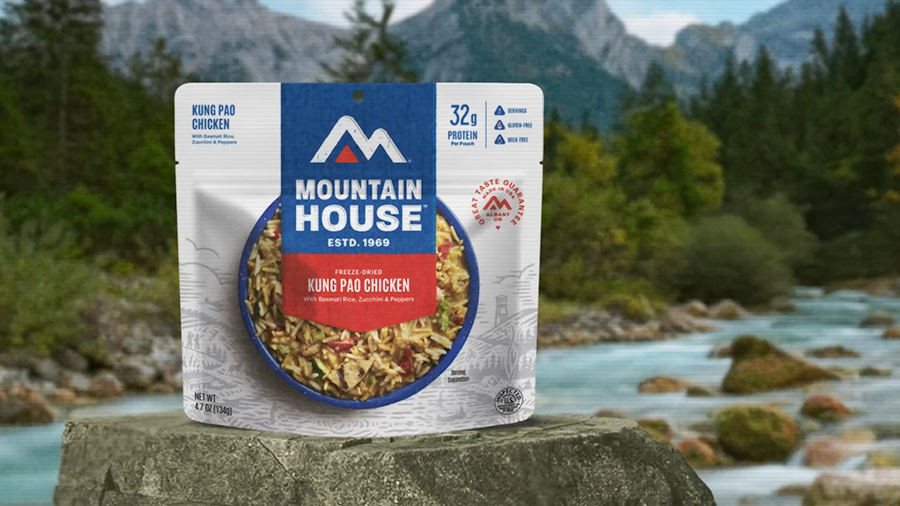
Top Choice: Mountain House Adventure Meals. They have a 30-year shelf life and taste surprisingly like home-cooked food.
-
Pro Tip: Look for meals with over 600 calories per pouch. If it’s lower, add a tablespoon of olive oil to boost the healthy fats.
2. Lunch on the Go: No-Cook Options
On long trips, you don’t want to unpack your stove for lunch. Efficiency is key.
-
Protein Pouches: Instead of heavy cans, use StarKist Tuna or Chicken Pouches. They are lightweight and mess-free.
-
Dense Carbs: Tortillas are better than bread because they don’t get crushed in your bag and stay fresh for weeks.
-
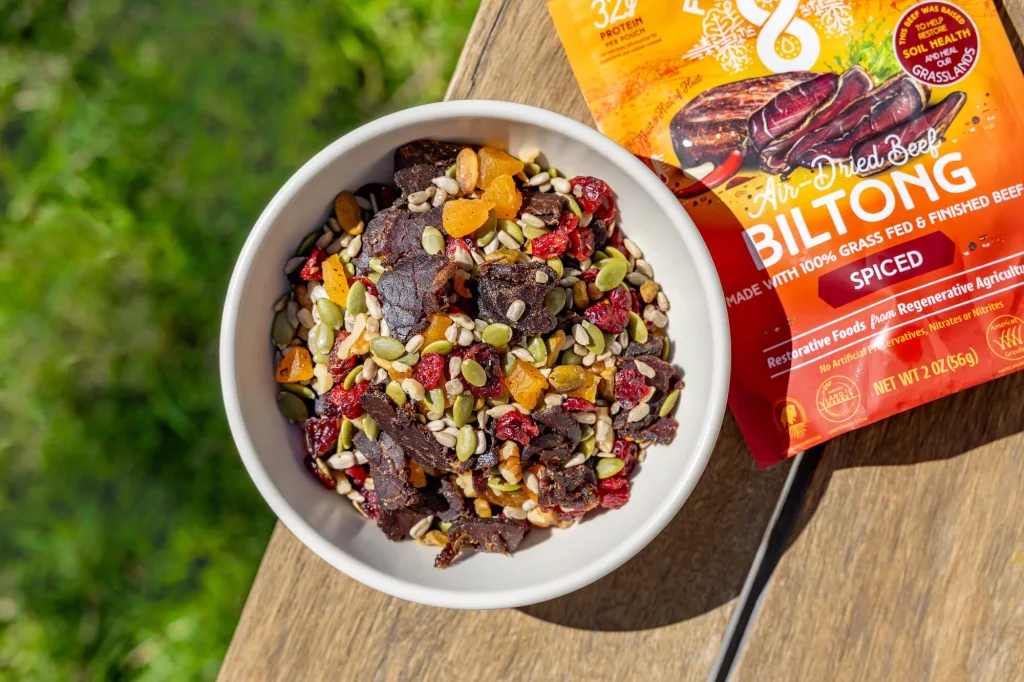
Energy Bombs: Peanut butter in travel-sized packets or a High-Protein Trail Mix with nuts and dried fruit.
3. Breakfast: The Morning Engine
Start your day with slow-releasing carbohydrates to avoid the “mid-morning crash.”
-
Oatmeal Plus: Use instant oats, but upgrade them with powdered milk, chia seeds, and dehydrated berries.
-
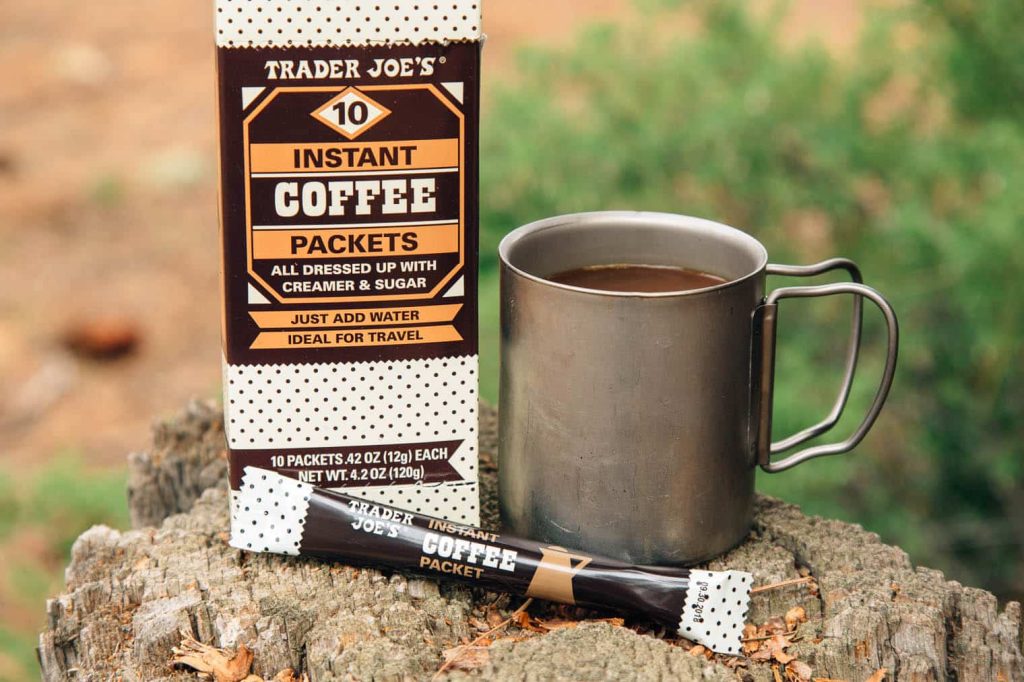
Caffeine Fix: Use Instant Espresso Packets. They weigh almost nothing and provide the necessary kickstart for a 10-mile day.
4. Snacks: “Grazing” All Day
On long treks, it’s better to eat small amounts every hour than one huge meal.
-
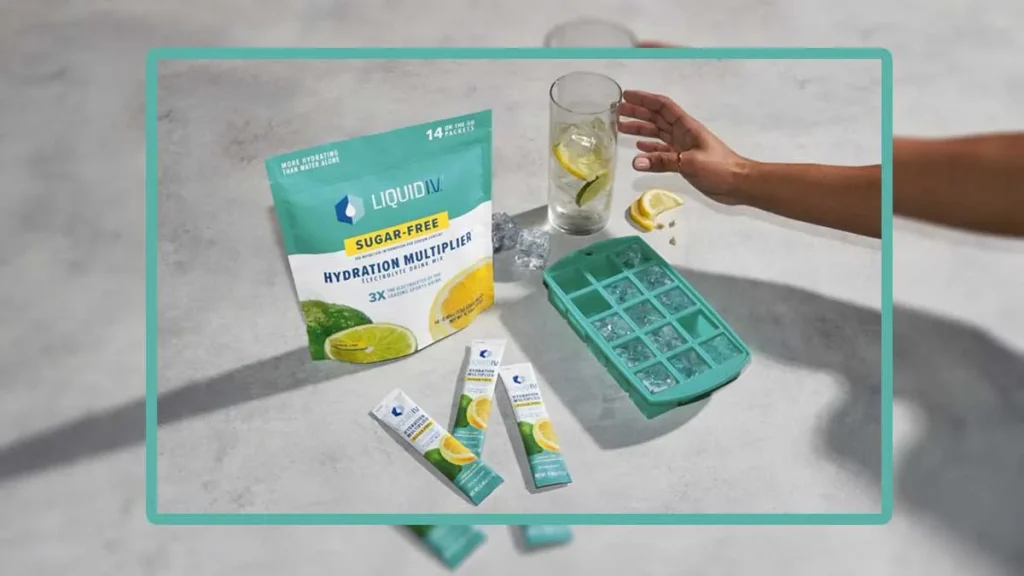
Electrolytes: Add Liquid I.V. Packets to your water. As we discussed in our Hydration Guide, losing salt through sweat leads to muscle cramps.
-
Beef Jerky: High protein and very stable in all temperatures.
Long-Trip Food Comparison Table
| Food Type | Calories/oz | Prep Time | Shelf Life | Best For |
| Freeze-Dried Pouch | 120 – 150 | 10 mins | 30 Years | Dinner / Recovery |
| Peanut Butter | 170 | Zero | 1 Year | High-Calorie Fuel |
| Tortillas | 90 | Zero | 1 Month | Lunch Base |
| Dehydrated Fruit | 80 | Zero | 6 Months | Quick Sugar Kick |
| Olive Oil (Add-on) | 250 | Zero | 1 Year | Calorie Boosting |
3 Rules for Food Organization
-
Repackage Everything: Cardboard boxes are heavy and bulky. Take your food out of the store packaging and put it into Reusable Silicone Bags. Don’t forget to write the cooking instructions on the bag!
-
The “Scent-Proof” Rule: On long trips, you will smell like food to local wildlife. Always store your meals in a Bear-Resistant Food Container or a dry bag for a proper bear hang.
-
Front-Load the Weight: Eat your heaviest items (like fresh apples or tortillas) on the first two days to lighten your Hiking Backpack quickly.
FAQ: Nutrition on the Trail
Q: How much food should I carry per day?
A: A good rule of thumb is 1.5 to 2.0 lbs (0.7 to 0.9 kg) of food per person, per day. If you are hiking in Cold Weather, you may need more to maintain body heat.
Q: Can I just live on energy bars?
A: For a weekend, yes. For 10 days, no. You need the psychological boost of a hot meal and a variety of textures to avoid “palate fatigue.”
Final Thoughts
Fueling your body correctly is the difference between a triumphant summit and a miserable slog. By focusing on Freeze-Dried Meals and healthy fats, you’ll stay strong until the last mile.
Disclaimer: As an Amazon Associate, I earn from qualifying purchases. Eat well, hike further!
Read too: Campfire Cooking: 5 Simple and Delicious Recipes for Your Next Trip