
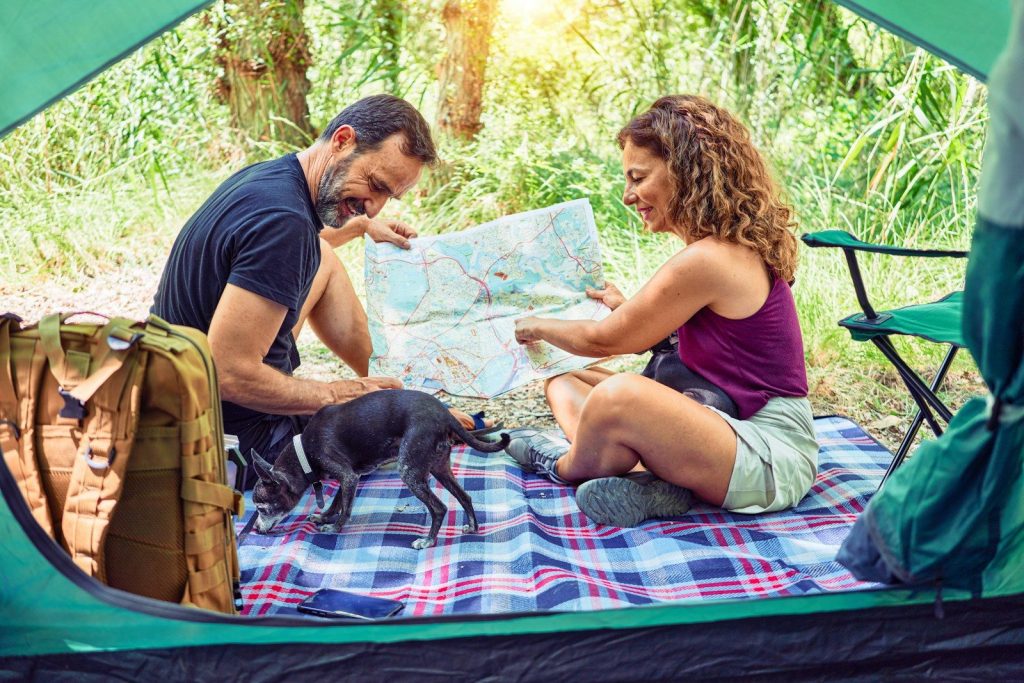
When prepping your vehicle or waterproof hiking backpack for a weekend in the backcountry, we naturally pack for the best-case scenario. We envision warm campfire evenings, clear starry skies, and smooth trail navigation in our long-distance hiking shoes.
But the wilderness is a dynamic, volatile environment. A sudden mountain flash flood can sweep away your campsite, an unpredicted blizzard can plummet temperatures below freezing, or a medical emergency can trap you miles away from search and rescue support. In these high-stress moments, you do not have the time to panic, search through unorganized gear totes, or wonder if you packed essential safety tools.
Having a dedicated, pre-packed Emergency Camping Kit is your ultimate survival insurance policy. This checklist is structured around the core laws of human survival—ensuring you can maintain core body heat, secure clean drinking water, signal for rescue, and treat trauma under any conditions.
Here is the professional, vetted emergency camping checklist to guarantee your safety when everything goes wrong.
The Backcountry 5-Pillar Survival Matrix
| Survival Pillar | Critical Backcountry Threat | Defensive Gear Action | Key Vetted Tool Upgrade |
| 1. Hydration | Waterborne pathogens & dehydration | Micro-membrane high-volume filtration | Sawyer Squeeze Filter System |
| 2. Thermal Shield | Hypothermia from wind/rain/cold | Active heat trapping & rapid fire ignition | Mylar Space Blanket & Storm Matches |
| 3. Illumination | Disorientation; pitch-black navigation | High-lumen, multi-source redundant light | Goal Zero Crank Lantern |
| 4. Communication | Off-grid isolation; dead phone towers | Satellite tracking & active kinetic radio | Garmin inReach Messenger |
| 5. Medical & Rescue | Severe physical trauma & bleeding | Immediate bleeding control & signaling | Hemostatic gauze & High-decibel whistle |
The Ultimate Emergency Camping Checklist
1. Water Purification & Hydration (The Rule of 3 Days)
Without water, the human body begins to suffer severe cognitive and physical decline within 72 hours. Your emergency kit must contain tools to purify wild water sources instantly without relying on a boiling stove.
-
[ ] Hollow-Fiber Micro-Filter: A pocket-sized filter like the Sawyer Squeeze or Katadyn BeFree to strain out Giardia and Cryptosporidium instantly.
-
[ ] Chemical Purification Tablets: Chlorine dioxide tablets (like Aquatabs) as a secondary backup to neutralize waterborne viruses in stagnant pools.
-
[ ] Single-Wall Stainless Steel Bottle: Unlike vacuum-insulated flasks, a single-wall metal container allows you to boil water directly over an open campfire flame in an emergency.
2. Thermal Defense & Fire Starting (Hypothermia Prevention)
Hypothermia is the leading cause of death in outdoor search-and-rescue cases. If your clothing layers get saturated by a sudden storm, you must generate external heat immediately.
-
[ ] Windproof Stormproof Matches: Pack matches (like UCO Stormproof Matches) stored inside a waterproof case that can burn continuously for 15 seconds, even in heavy rain and wind.
-
[ ] Ferrocerium Rod (Fire Steel): An indestructible striker that produces $3,000С sparks, unaffected by freezing temperatures or water submersion.
-
[ ] Emergency Mylar Bivy / Space Blankets: Reflects up to 90% of your radiated body heat back to your skin, acting as a lightweight windproof shelter.
-
[ ] Technical Mid-Layer Fleece: A highly packable, high-loft budget-friendly fleece jacket to preserve your core temperature.
3. Illumination & Signaling (Navigating the Dark)
When darkness drops, a lack of light causes immediate panic and leads to navigational mistakes, such as stepping off trail drop-offs.
-
[ ] Dedicated Headlamp with Red-Light Mode: Keeps your hands free to pitch emergency shelters or apply first-aid wraps. (e.g., Black Diamond Storm).
-
[ ] Multi-Fuel Hand-Crank Lantern: A reliable lantern like the Goal Zero Lighthouse 600 that can be recharged via hand-crank kinetic energy or built-in solar panels.
-
[ ] High-Decibel Safety Whistle: Sound travels vastly further than the human voice. A pealess whistle (like the Fox 40 Classic) can be heard over a mile away through wind and roaring rivers.
4. Communication & Navigation (The Off-Grid Connection)
Cell phones are highly unreliable in deep mountain valleys, canyons, and dense forests where cellular towers cannot reach.
-
[ ] Satellite Communicator: A device like the Garmin inReach Messenger or SPOT Gen4 to send GPS coordinates and trigger SOS rescue messages via global satellite networks.
-
[ ] Emergency NOAA Weather Radio: A hand-crank radio to monitor incoming storm fronts, evacuation orders, and wildfire tracking updates.
-
[ ] Physical Topographic Map & Compass: Batteries die in the cold; a paper map of your region never suffers from system failures.
5. Medical & Trauma Control (First-Aid)
Standard household bandages are useless for severe trail injuries. Your first-aid kit must be built to manage bone fractures, heavy bleeding, and systemic shock.
-
[ ] Tactical Tourniquet (CAT): To immediately halt life-threatening arterial bleeding from limb wounds.
-
[ ] Hemostatic Gauze (QuikClot): Chemically treated gauze that accelerates your body’s natural clotting factor within seconds.
-
[ ] Cohesive Elastic Bandages: Elastic wraps that stick to themselves—ideal for treating sprains, securing splints, and wrapping sliced dog paws.
-
[ ] Emergency Splint (SAM Splint): A lightweight, moldable aluminum core wrapped in soft foam to immobilize fractured limbs.
3 Critical Tactical Protocols for Emergency Preparedness
To ensure your emergency hardware operates flawlessly under extreme real-world stress, implement these three strict rules:
1. Consolidate into a Grab-and-Go “Bug-Out” Container
If a wildfire encroaches on your state park campsite or your vehicle engine catches fire, you will not have time to retrieve loose items scattered inside your kitchen chuck box or tent.
-
The Protocol: Store all the items on this emergency checklist inside a single, highly visible, rugged, and waterproof utility box (like a YETI LoadOut GoBox) or a dedicated bright red dry-pack. This container lives permanently in your vehicle trunk or near your house exit line. If an evacuation is ordered, you grab one single handle, and your entire survival matrix is secured.
2. Lock Down the “No-Battery Leak” Storage Rule
Cold winter air and long periods of storage naturally degrade batteries. Standard alkaline batteries left inside your emergency radios, headlamps, or GPS units will slowly leak toxic corrosive acid, destroying the electrical contacts.
-
The Protocol: Store all emergency batteries (AA, AAA, CR123) inside a sealed, heavy-duty ziplock bag right next to the devices, rather than inside them. When packing lithium-ion power hubs, check their charge levels every six months, maintaining them at 50% to 80% capacity to maximize chemistry lifespan.
3. Educate Your Family on the “S.T.O.P.” Protocol
If a member of your camping party (especially a child) gets physically separated or lost on a technical trail, panic is their greatest enemy. Running blindly to find the trail leads to dehydration, physical falls, and deeper disorientation.
-
The Protocol: Teach everyone in your group the universal S.T.O.P. survival acronym:
-
S – Sit down: Calm your breathing, stop walking, and control your physical adrenaline spikes.
-
T – Think: Analyze your surroundings. How long ago did you see a trail marker? Do you have your emergency whistle?
-
O – Observe: Look around for overhead tree hazards, dry ground shelter, and windbreaks.
-
P – Plan: Prepare your emergency blanket, blow your whistle three times (the international distress signal), and wait for rescue. Staying stationary makes you infinitely easier to locate.
-
FAQ: Navigating Wilderness Emergency Realities
Q: Can I use my smartphone as my primary emergency flashlight and map?
A: We highly advise against this. Your smartphone is a fragile, multi-use tool with a high power drain. Using its screen continuously for GPS mapping while running the LED camera flash as a flashlight will deplete the internal lithium battery within 2 to 3 hours. Most importantly, cold trail weather can cause the phone to shut down spontaneously. Save your phone battery strictly for emergency calling or linking with your satellite communicator, and rely on dedicated headlamps and paper maps for trail navigation.
Q: What is the international distress signal for rescue?
A: The universal mountain distress signal is three of any indicator—three loud whistle blows, three bright flashes of your headlamp strobe, or three mirrors reflections, followed by a one-minute pause, and then repeated. If you see a rescue aircraft or helicopter, raise both of your arms fully in the air to form a “Y” shape (representing “Yes, I need help”). Never raise just one arm, as this represents “All clear” in aviation rescue codes.
Final Thoughts
True outdoor confidence is not born from assuming nothing will ever go wrong—it comes from knowing with absolute certainty that you have the tools, tactics, and mental discipline to conquer a crisis if it occurs. By packing a structured, consolidated emergency camping kit based on water filtration, thermal defense, redundant lights, and trauma-vetted medical gear, you eliminate the dangerous variables that lead to wilderness tragedy. Assemble your kit systematically, protect your batteries from cold weather drops, and step out onto the singletrack loops with absolute safety and unconditional peace of mind!
Sun Protection Tips for Campers: The Multi-Layered UV Defense Protocol
Disclaimer: As an Amazon Associate, I earn from qualifying purchases. Routinely check the expiration dates of your medical sterile packs and water purification tablets, explore safely, leave no trace!