
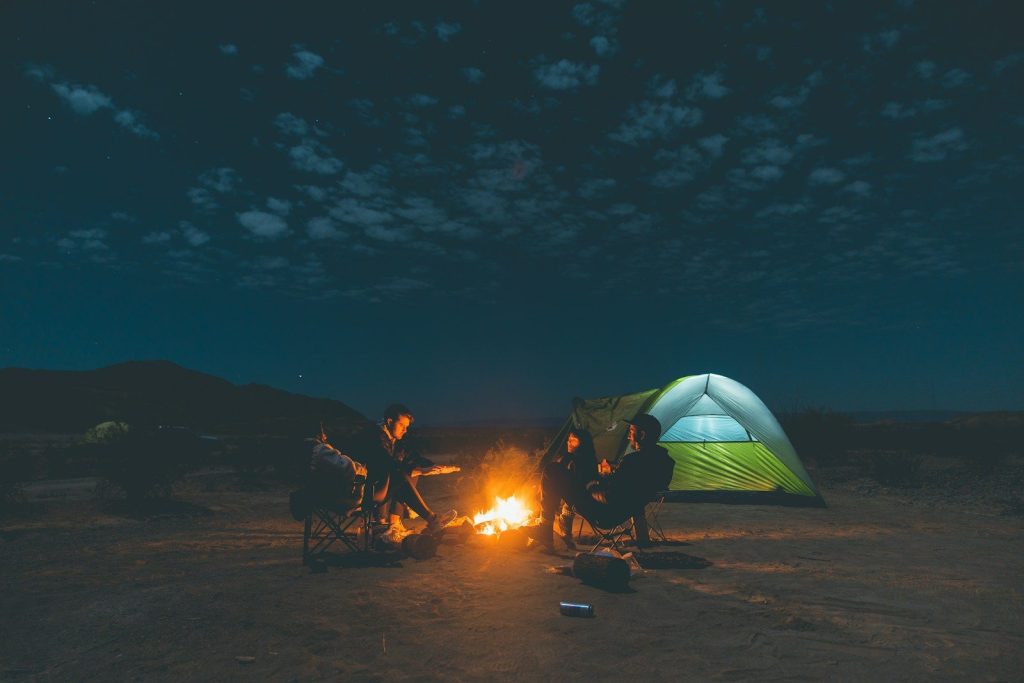
Your first camping trip should be about relaxation, not survival. The biggest mistake beginners make is overcomplicating their gear. For your first night, focus on the “Big Three”: Shelter, Sleep, and Sustenance. If you are warm at night and fed during the day, the rest is just a bonus.
In 2026, the trend for beginners is “Car Camping”—where you park near your site—allowing you to bring more comforts from home. Here is exactly what you need for a successful debut.
1. The Essentials (The “Big Three”)
-
Tent: For your first time, a simple 3-season dome tent is perfect. Pro Tip: If the box says “4-person,” it really fits 2 adults comfortably with gear.
-
Sleeping Bag: You don’t need a $500 alpine bag. A rectangular bag rated for 30°F (-1°C) is ideal for summer and shoulder seasons.
-
Sleeping Pad: As we noted in our Foam Pad Guide, a pad isn’t just for comfort—it insulates you from the cold ground.
2. Clothing (The Layering Basics)
Avoid cotton at all costs. It stays wet and makes you cold.
-
Moisture-Wicking Shirt: Synthetic or merino wool.
-
Insulating Layer: A fleece or a lightweight “puffy” jacket for when the sun goes down.
-
Rain Jacket: Even if the forecast is clear, a shell protects you from wind and unexpected drizzles.
-
Extra Socks: Always bring one pair of hiking socks strictly for sleeping.
3. The Camp Kitchen
-
Portable Stove: A simple single-burner butane stove is the easiest for beginners.
-
Cooler: To keep your family meals and drinks fresh.
-
Mess Kit: A plate, a bowl, and a spork. You can honestly bring these from your home kitchen for your first trip!
-
Water Jug: Always have at least 2 gallons of fresh water per person.
4. Light and Safety
-
Headlamp: Hands-free light is essential for cooking or finding the “bathroom” at 2 AM.
-
First Aid Kit: Bandages, antiseptic, and blister care.
-
Multi-tool: For opening food or minor gear adjustments.
First Trip Inventory Table
| Category | Item | Can I Bring from Home? |
| Shelter | Tent | No (Buy/Rent) |
| Sleep | Pillow | Yes! |
| Kitchen | Cast Iron Skillet | Yes! |
| Light | Flashlight | Yes |
| Hygiene | Microfiber Towel | Yes |
3 Tips for a Perfect First Night
-
The “Backyard” Test: Never arrive at a campsite with a tent you’ve never pitched. Set it up in your living room or backyard first. It builds confidence and ensures no parts are missing.
-
Arrive Early: Aim to reach your campsite at least 2 hours before sunset. Setting up a new tent in the dark is the fastest way to end a camping hobby before it starts.
-
Keep it Local: For your first trip, stay within 1-2 hours of home. If the weather turns or you forget something vital, you have an easy “exit strategy.”
FAQ: Beginner Basics
Q: Do I need a fire to cook?
A: No! A camping stove is much more reliable and faster. Use the fire for atmosphere and S’mores, but rely on the stove for your actual dinner.
Q: Where do I go to the bathroom?
A: Most beginner-friendly “front-country” campgrounds have toilets. If you’re going more remote, check our guide on Leave No Trace.
Final Thoughts
Camping isn’t about having the most expensive gear; it’s about the experience. Start with the basics, bring a comfy pillow from home, and enjoy the silence. Once you fall in love with the woods, you can start building your “pro” kit one piece at a time.
Disclaimer: As an Amazon Associate, I earn from qualifying purchases. Welcome to the trail!