
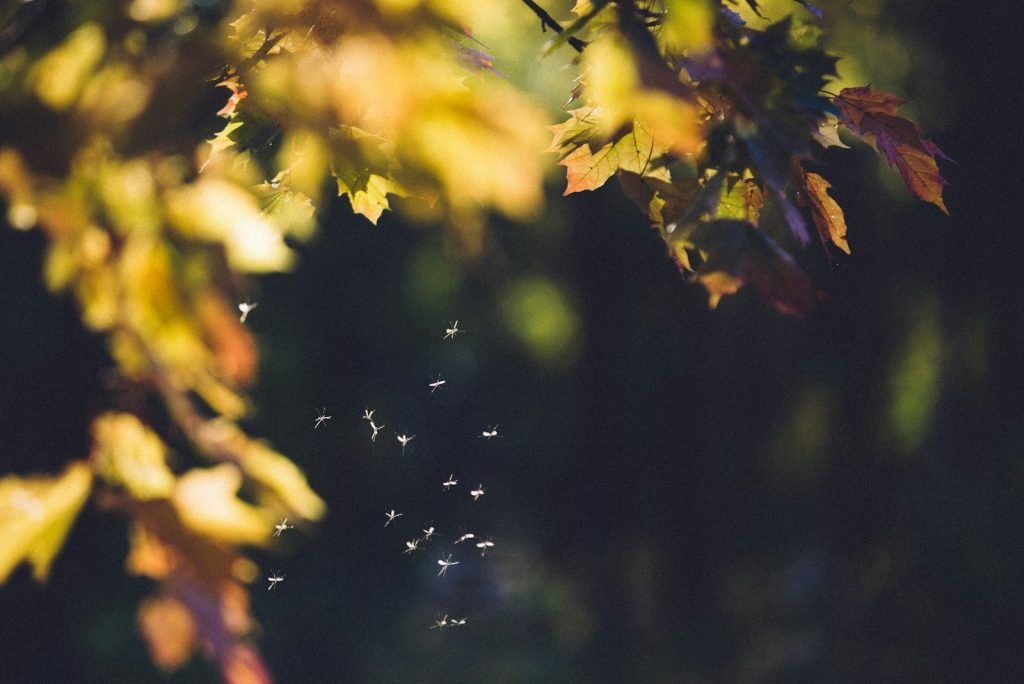
Mosquitoes are more than just an annoyance; they can carry diseases and disrupt your sleep in even the best Lightweight Tent. To truly stay protected, you need a multi-layered defense system. Relying on a single bottle of repellent is rarely enough when you are camping near water or in dense woods.
Here is the professional 4-layer approach to keeping your campsite a “No-Fly Zone.”
1. Layer One: Chemical Barriers (Repellents)
Not all sprays are created equal. In 2026, we focus on three main active ingredients:
-
DEET: The gold standard for heavy infestations. Look for a 30-50% DEET Spray. It lasts up to 8 hours but can damage synthetic fabrics like your Hiking Backpack.
-
Picaridin: A synthetic version of a pepper plant compound. It’s odorless, non-greasy, and won’t damage plastic or gear.
-
Oil of Lemon Eucalyptus (OLE): The best natural alternative that actually works, providing up to 6 hours of protection.
2. Layer Two: Gear Treatment (Permethrin)
This is the secret weapon of pro-hikers. Unlike sprays for your skin, Permethrin is for your gear.
-
The Method: Spray your Hiking Boots, socks, and outer layers with Sawyer Permethrin Premium.
-
The Result: It bonds to the fabric and lasts for up to 6 washings. It doesn’t just repel mosquitoes and ticks; it kills them on contact. Note: Keep it away from cats while wet!
3. Layer Three: Area Protection (The Perimeter)
If you are relaxing around the Campfire, you need to clear the air around you.
-
The Gear: A Thermacell MR300 Portable Repeller. It creates a 15-foot scent-free zone of protection.
-
Why it works: It uses a small fuel cell to heat a repellent mat, creating a shield that mosquitoes won’t cross. It’s much more effective than “citronella candles.”
4. Layer Four: Physical Barriers
Sometimes, the bugs are too thick for chemicals alone.
-
Head Nets: A Fine Mesh Head Net weighs less than an ounce but provides 100% protection for your face and neck.
-
Tent Integrity: Always keep your tent’s mesh door zipped tight. As noted in our Tent Light Guide, bugs are attracted to light, so minimize light usage near the entrance.
Mosquito Protection Comparison Table
| Method | Best For | Pros | Cons |
| DEET Spray | Heavy Swamps | Extremely powerful | Smelly / Damages gear |
| Permethrin | Clothes & Gear | Lasts weeks / Kills ticks | Toxic to cats (wet) |
| Thermacell | Base Camp | No skin chemicals | Needs fuel/mats |
| Head Net | Hiking / Fishing | 100% effective | Can feel hot |
| Picaridin | Everyday use | Odorless / Gear safe | Needs frequent re-apply |
3 Tips to Minimize Mosquito Attraction
-
Site Selection: Mosquitoes breed in stagnant water. As we discussed in our Off-Grid Camping Guide, always pitch your tent on higher, drier ground with a slight breeze to keep the bugs away.
-
Clothing Colors: Wear light colors (khaki, white, light blue). Mosquitoes are attracted to dark colors like navy and black, which mimic the shadows of animals they prey on.
-
Timing: Peak mosquito activity is at dawn and dusk. Plan your One-Pot Cooking and camp setup for mid-afternoon to avoid the “witching hour.”
FAQ: Mosquito Myths
Q: Do “ultrasonic” phone apps work?
A: No. Science has repeatedly shown that ultrasonic sounds do not repel mosquitoes. Stick to proven chemical or physical barriers.
Q: Can I use repellent on my dog?
A: NEVER use human DEET on pets. As we noted in our Camping with Dogs Guide, use specialized veterinary-approved repellent wipes instead.
Final Thoughts
A mosquito-free trip is a happy trip. By treating your Hiking Socks with Permethrin and using a Thermacell at camp, you can enjoy the wilderness without the itch.
Disclaimer: As an Amazon Associate, I earn from qualifying purchases. Stay bite-free and happy trails!
Read too: What to Do If You Meet a Bear: The Essential Survival Guide