
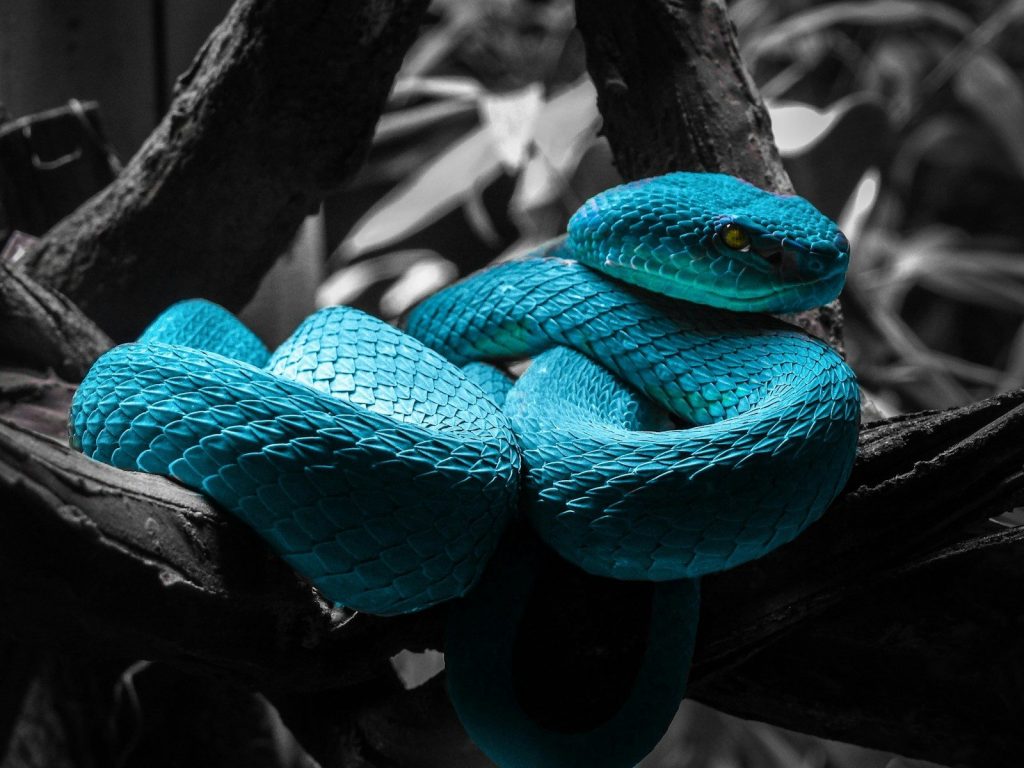
A snake bite is one of the most feared scenarios for any hiker. As more people explore remote trails, understanding the correct protocol for a venomous encounter is essential. Most snakes are non-aggressive and bite only when surprised or cornered. However, if a bite occurs, your actions in the first 30 minutes are critical.
Forget what you’ve seen in old movies. Modern wilderness medicine has debunked many “traditional” treatments. Here is the professional guide to snake bite first aid in the backcountry.
1. Immediate Actions: The “Golden Rules”
If someone is bitten, the goal is to slow the spread of venom and get to medical help as fast as possible.
-
Stay Calm: A racing heart pumps venom through the body faster. Sit the victim down immediately.
-
Identify (from a distance): Do not try to catch or kill the snake. Take a photo from a safe distance if possible to help doctors identify the species.
-
Remove Jewelry: If the bite is on a hand or arm, remove rings and watches immediately. Swelling will happen fast, and these items can cut off circulation.
2. Proper First Aid Technique
-
Keep the Limb Neutral: Keep the bitten area at or slightly below the level of the heart. Do not raise it high.
-
Clean the Wound: Gently wash the area with water or an antiseptic wipe from your First Aid Kit.
-
Apply a Light Bandage: Wrap a clean bandage snugly but not tightly around the bite. You should be able to fit a finger under the bandage.
3. What NOT to Do (The Myths)
In 2026, medical experts strictly advise AGAINST these old methods:
-
DO NOT cut the wound.
-
DO NOT try to “suck out” the venom (with your mouth or a pump).
-
DO NOT apply a tourniquet. Cutting off blood flow can lead to amputation.
-
DO NOT apply ice. It can cause localized tissue damage.
Snake Bite Response Checklist
| Action | Do or Don’t? | Reason |
| Call for Help | DO | Use a Satellite Messenger in no-cell zones |
| Keep Victim Still | DO | Slows venom distribution |
| Use Suction Kits | DON’T | They are ineffective and damage tissue |
| Take Aspirin | DON’T | Can increase bleeding risks |
| Walk to Help | ONLY IF NECESSARY | If possible, carry the victim or wait for rescue |
4. Prevention: Don’t Get Bitten in the First Place
-
Watch Your Step: As we noted in our Hiking Boot Guide, wearing high-top leather boots provides a physical barrier against strikes.
-
Use Poles: Trekking Poles allow you to probe tall grass or rocky crevices before you step into them.
-
Stick to the Trail: Snakes love to hide under logs and heavy brush. Staying on the cleared path reduces your risk significantly.
5. Emergency Communication
If you are hiking in “Snake Country” (like the deserts of the Southwest or deep woods of the South), a cell phone isn’t enough.
-
The Gear: A Garmin inReach or similar satellite device allows you to trigger an SOS even when there is zero cell service. This is the fastest way to get anti-venom to your location.
FAQ: Snake Encounters
Q: How do I know if a snake is venomous?
A: Unless you are an expert, treat all bites as venomous. Many non-venomous snakes mimic the patterns of dangerous ones (like the King Snake vs. Coral Snake).
Q: Should I bring a “Snake Bite Kit”?
A: Most commercial “suction” kits are now considered useless by the Red Cross and wilderness medical societies. Invest your money in a high-quality Pressure Immobilization Bandage and a GPS emergency device instead.
Final Thoughts
The best way to handle a snake bite is to prevent it. By wearing Rugged Hiking Boots and staying alert, you can enjoy the wilderness safely. If the worst happens, stay calm, stay still, and get help.
Disclaimer: As an Amazon Associate, I earn from qualifying purchases. This guide is for informational purposes and not a substitute for professional medical training.
Read too: What to Do If You Meet a Bear: The Essential Survival Guide