
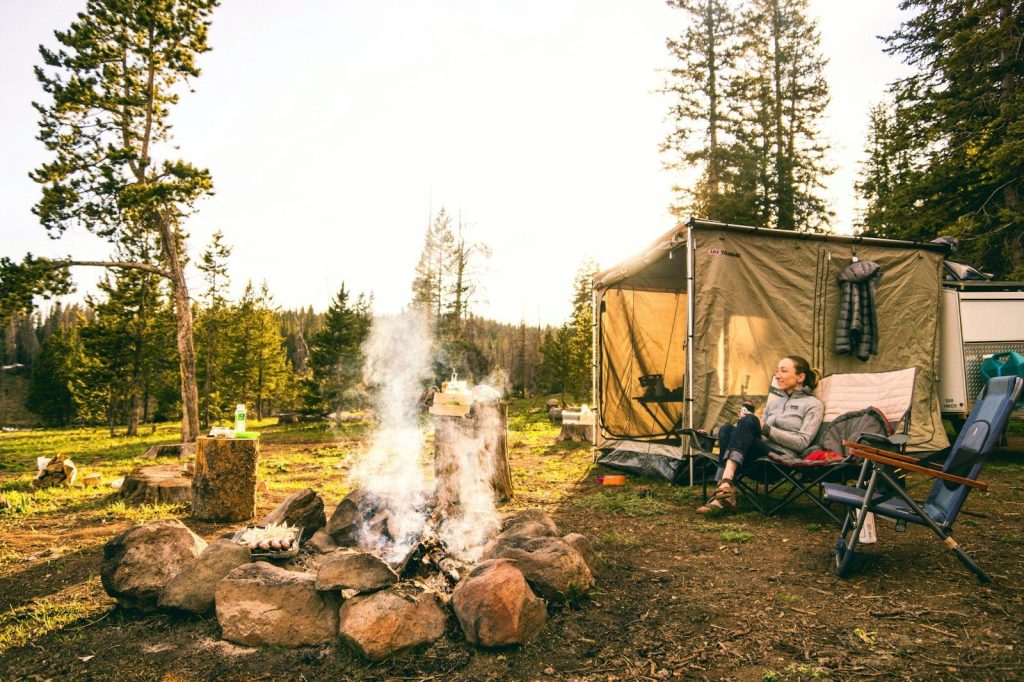
Camping is often seen as a summer-only activity—think sunshine, swimming holes, and long evenings by the fire. But for a growing number of enthusiasts, the real magic starts when the leaves fall and the first snow hits the ground. Each season offers a completely different experience, requiring different gear, skills, and mindsets.
With the advancement of Ultralight Winter Gear, cold-weather camping has become more accessible than ever. Let’s break down the pros and cons of winter vs. summer camping to help you plan your next trip.
1. The Environment: Solitude vs. Socializing
-
Summer: Popular campgrounds are buzzing hubs of activity. It’s great for meeting people, but you’ll likely hear your neighbor’s music or kids playing.
-
Winter: Solitude is the main draw. Most trails are empty, and the snow acts as a natural sound muffler. If you want true peace and quiet, winter is king.
2. The Gear: Lightweight vs. Life-Support
This is where the biggest difference lies.
-
Summer: You can get away with budget gear. A simple 3-Season Tent and a lightweight blanket are often enough.
-
Winter: Gear is your life-support system. You need a 4-Season Tent to handle snow loads and a sleeping bag rated for sub-zero temperatures.
-
Pro Tip: As we mentioned in our Winter Tent Guide, winter gear is significantly heavier and more expensive, but it’s the price of safety.
3. The Pests: Mosquitoes vs. Zero Bugs
-
Summer: Depending on where you are, you might be fighting a constant battle with mosquitoes, ticks, and flies. You’ll need plenty of Deet-Free Bug Spray.
-
Winter: One of the greatest joys of winter camping? No bugs. You can sit outside without being eaten alive.
4. Activities and Skills
-
Summer: Hiking, swimming, kayaking, and fishing. The days are long, giving you 14+ hours of sunlight to explore.
-
Winter: Snowshoeing, cross-country skiing, and tracking wildlife in the snow. Days are short, meaning you’ll spend more time in your Down Jacket inside the tent.
-
Skill Level: Winter requires knowledge of “cold management”—how to stay dry, how to melt snow for water, and how to prevent batteries from dying..
Season Comparison Checklist
| Feature | Summer Camping | Winter Camping |
| Crowds | High | Low to Zero |
| Gear Cost | Affordable | Expensive / Specialized |
| Pests | Mosquitoes & Ticks | None |
| Safety Risks | Dehydration / Heatstroke | Hypothermia / Frostbite |
| Main Goal | Relaxation & Water Fun | Adventure & Solitude |
5. Food and Hydration
-
In Summer: You worry about keeping food cold in a Camping Cooler. Hydration is about drinking enough water to replace what you sweat out.
-
In Winter: You worry about food freezing! You need high-fat, high-calorie meals to keep your internal furnace burning.
-
The Water Hack: In winter, you often have to melt snow. This requires a powerful Liquid Fuel Stove because standard canisters can fail in extreme cold.
3 Rules for Your First Winter Trip (If you’re a Summer Pro)
-
Test Your Limits: Don’t head into the deep backcountry for your first winter trip. Camp in your backyard or at a site near your car to ensure your Sleeping System is actually warm enough.
-
Stay Dry: In summer, being wet is refreshing. In winter, sweat or rain is a death sentence. Always carry extra Merino Wool Base Layers.
-
Light is Life: Since it gets dark at 4:30 PM, you’ll need more than just a phone light. Bring a high-lumen LED Headlamp and a backup Solar Lantern.
FAQ: Seasonal Camping
Q: Is winter camping dangerous?
A: It has higher risks, but with the right preparation and Safety Gear, it is perfectly safe. The key is never to underestimate the wind and to always tell someone your itinerary.
Q: Can I use my summer sleeping bag in winter?
A: Only if you use a Thermal Liner and layer it with another bag. However, for true winter conditions, a dedicated winter bag is always safer.
Final Thoughts
If you love long days, warm water, and a social atmosphere, Summer Camping is for you. But if you crave the silence of a snow-covered forest and the challenge of mastering your gear, Winter Camping will change your life.
Disclaimer: As an Amazon Associate, I earn from qualifying purchases. Every season is camping season!
Read too: Best Winter Camping Gear: Essential Equipment for Cold-Weather Adventures