
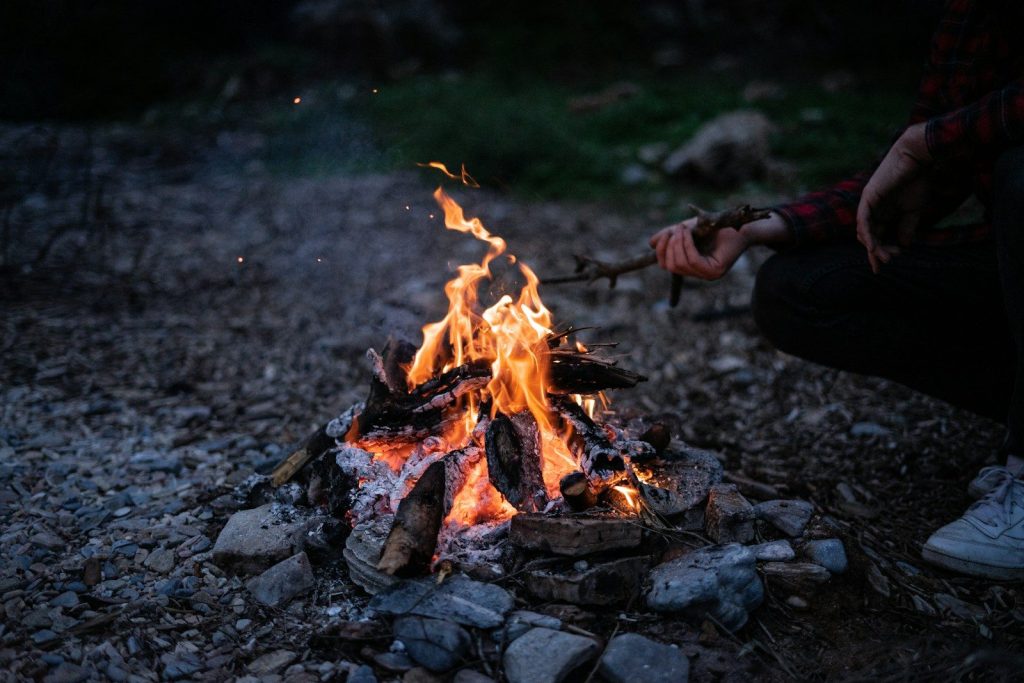
A campfire is the heart of every campsite. It’s where stories are told, meals are cooked, and memories are made. However, with increasing wildfire risks, building a fire is a major responsibility. A poorly managed fire can destroy forests, while a properly built one provides warmth and safety.
Whether you are using a dedicated fire ring or camping in the backcountry, here is the professional way to start, manage, and extinguish a campfire without leaving a scar on the land.
1. Check the Rules (Step Zero)
Before you even think about matches, check the local fire regulations.
-
Fire Bans: During dry seasons, many parks have “Stage 1” or “Stage 2” fire restrictions. Always check the ranger station or the park’s website.
-
Use Designated Rings: In established campgrounds, only build fires in the provided steel or stone rings.
-
Pro Tip: If you are in a sensitive area, consider using a Portable Fire Pit (Solo Stove) which keeps the heat off the ground.
2. Gather the “Big Three” of Wood
Don’t just throw a giant log on a flame. You need three distinct sizes of fuel:
-
Tinder: Tiny, dry materials that catch fire instantly (dry grass, pine needles, or Fatwood Sticks).
-
Kindling: Small sticks about the thickness of a pencil.
-
Fuel Wood: Larger logs that will burn for hours.
-
Important: Never cut live trees! Only use “dead and down” wood that is far from your tent.
3. The “Teepee” or “Log Cabin” Method
-
The Teepee: Lean your tinder and kindling against each other in a cone shape. This is best for a quick, hot flame to boil water.
-
The Log Cabin: Place two large logs parallel, then two more on top perpendicularly. Place your tinder in the middle. This is the sturdiest method for cooking over a Cast Iron Skillet.
4. Lighting the Fire
Avoid using gasoline or lighter fluid—it’s dangerous and smells terrible.
-
The Modern Way: Use a Ferrocerium Rod (Flint and Steel) or Stormproof Matches. They work even in high winds and rain.
-
The “Safety First” Light: Light the tinder from the upwind side so the breeze pushes the flame into the rest of the wood.
Campfire Safety Checklist
| Item | Action | Why? |
| Clearance | 10-foot radius clear of debris | Prevents ground fires |
| Water | Keep a bucket nearby | Immediate emergency response |
| Environment | Only use local wood | Prevents invasive insect spread |
| Wind | Avoid fires in high winds | Prevents sparks from flying |
| Final Check | “Cold to the touch” | Guaranteed fire extinction |
5. How to Extinguish a Fire Properly
Leaving a fire “smoldering” is the #1 cause of human-started wildfires.
-
Drown it: Pour water on the embers, not just the flames.
-
Stir it: Use a shovel or a stick to stir the ashes and water together into a “muddy soup.”
-
Feel it: Carefully put the back of your hand near the ashes. If you still feel heat, add more water and stir again. It must be cold to the touch.
3 Common Mistakes to Avoid
-
Burning Trash: Never burn plastic, cans, or foil. It releases toxic chemicals into the air and leaves a mess for the next camper.
-
Building Too Big: A “bonfire” is for movies. A small, controlled fire is better for cooking and easier to put out.
-
Leaving it Unattended: Never go to bed or go for a hike while your fire is still burning—even if it’s just glowing coals.
FAQ: Fire Starters
Q: Can I bring my own wood from home?
A: No. This is how invasive pests like the Emerald Ash Borer travel. Always buy wood within 10–20 miles of your campsite or gather it locally where permitted.
Q: What if it’s raining?
A: Carry a few Emergency Fire Starters in your survival kit. They are designed to burn for 10 minutes even when wet, giving your kindling time to dry out and catch.
Final Thoughts
A fire is a privilege, not a right. By following Leave No Trace principles and using the right Campfire Accessories, you ensure that our forests stay green and your campsite stays warm.
Hiking & Camping Hygiene: How to Stay Clean When There’s No Shower
Disclaimer: As an Amazon Associate, I earn from qualifying purchases. Burn responsibly!