
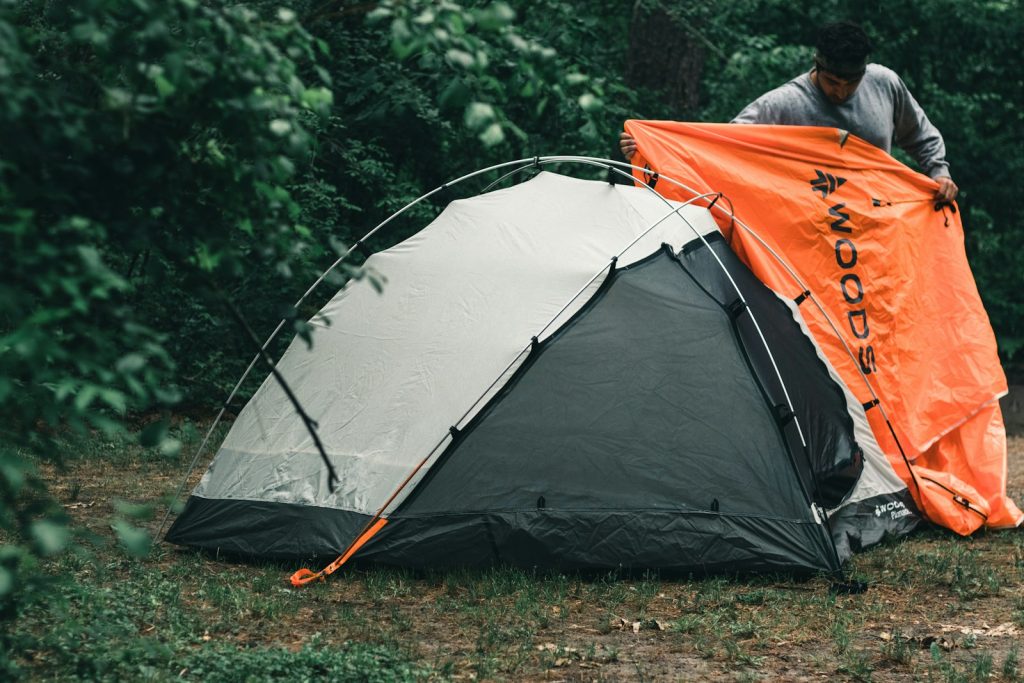
Nature is beautiful, but it’s also home to creatures that can ruin your trip if you’re not prepared. Whether it’s the persistent buzz of mosquitoes, the sneaky antics of raccoons, or the serious concern of bears, keeping your campsite secure is vital for your safety and the well-being of the animals.
In this guide, we’ll cover the essential gear and habits to keep the “locals” away from your tent.
1. Bug Defense: Keeping the Insects at Bay
Insects are usually the biggest nuisance at a campsite. Mosquitoes, flies, and ticks aren’t just annoying; they can carry diseases.
-
Electronic Repellers: These create a “protection zone” without the smell of sprays.
-
Our Pick: Thermacell MR300 Portable Mosquito Repeller – Creates a 15-foot zone of protection. Perfect for picnic tables.
-
-
Permethrin for Gear: Treat your clothes and tent before you leave home.
-
Our Pick: Sawyer Products Permethrin Fabric Treatment – Stays effective through 6 washings and is deadly to ticks and mosquitoes but safe for humans.
-
-
Screen Houses: If you’re car camping in a swampy area, a mesh room is a lifesaver.
-
Our Pick: Leedor Gazebo Screen Tent – Pops up in seconds and provides a bug-free dining area.
-
2. Food Storage: Don’t Invite the Wildlife
The number one rule of forest safety is: Never keep food inside your tent. Animals have an incredible sense of smell.
-
Bear-Resistant Canisters: Required in many US National Parks.
-
Our Pick: BearVault BV500 Journey Bear Canister – Tool-free entry for humans, but impossible for bears to open.
-
-
Bear Bags: If you’re backpacking, hanging your food is a classic technique.
-
Scent-Proof Bags: Minimize odors at the source.
-
Our Pick: OPSAK Odorless Storage Bags.
-
3. Large Animal Safety: Bears and Cougars
While rare, encounters with large predators require specific tools.
-
Bear Spray: This is a non-lethal, highly effective deterrent.
-
Our Pick: Sabre Frontiersman Bear Spray – Features a 35-foot range to keep a safe distance.
-
-
Bear Bells: Let animals know you are coming so you don’t startle them.
-
Our Pick: Coghlan’s Bear Bell with Magnetic Silencer.
-
Safety Gear Comparison Table
| Threat | Strategy | Recommended Product |
| Mosquitoes | Zone Protection | Thermacell MR300 |
| Ticks | Gear Treatment | Sawyer Permethrin |
| Small Animals | Odor Control | OPSAK Bags |
| Large Predators | Deterrent | Sabre Bear Spray |
4. The “Clean Camp” Protocol
-
The 200-Foot Rule: Cook and store your food at least 200 feet (about 70 steps) away from where you sleep. This is known as the “Bear Triangle.”
-
Scented Items Count: Animals don’t just want your pizza. Toothpaste, deodorant, lip balm, and sunscreen all smell like food to a wild animal. Store them with your food!
-
Grey Water Disposal: Don’t dump cooking water near your tent. The smell of pasta water or grease will attract scavengers at night.
FAQ: Forest Safety
Q: What do I do if a bear enters my campsite?
A: Stay calm. Do not run. Stand your ground, make yourself look large, and shout in a firm voice. If you have bear spray, have it ready with the safety clip off.
Q: Are mosquitoes worse at certain times?
A: Yes, they are most active at dawn and dusk. This is the best time to light your Thermacell or retreat to your screened tent.
Q: How do I check for ticks?
A: Check your hairline, armpits, and behind the knees every evening. Using a Tick Remover Tool is the safest way to remove them if they bite.
Final Thoughts
Respecting wildlife is part of the camping experience. By keeping a clean camp, storing your food in a BearVault, and using Permethrin for bugs, you protect both yourself and the animals. Safety isn’t about fear; it’s about being prepared!
Read too: How to Set Up a Tent Properly: A Step-by-Step Guide for Beginners
Disclaimer: As an Amazon Associate, I earn from qualifying purchases. Happy camping!