
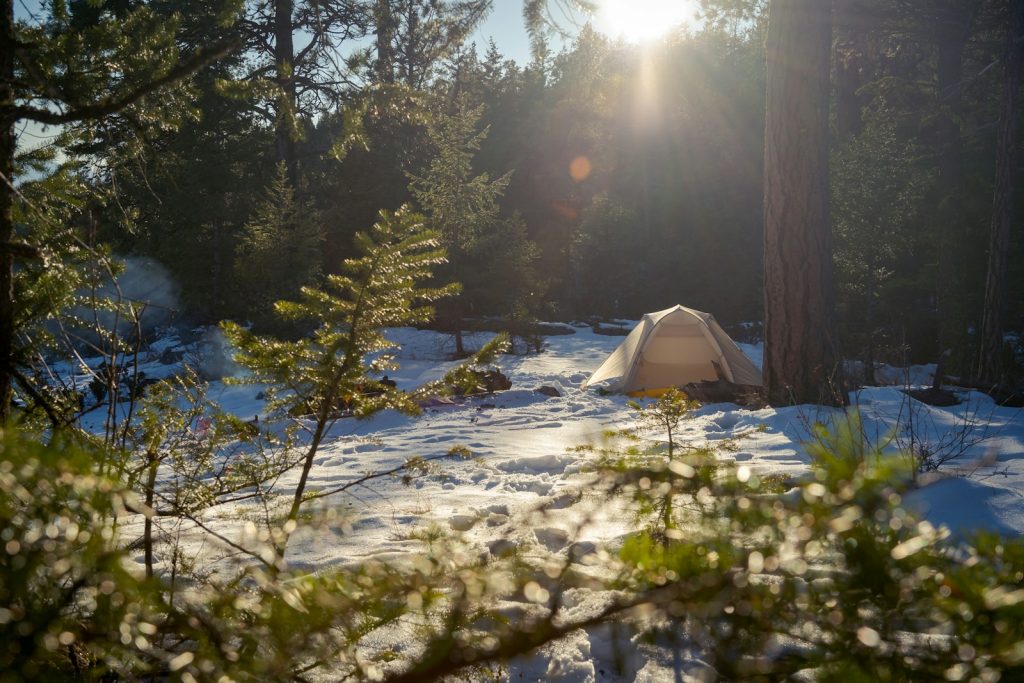
Many campers pack away their gear once the first leaf falls, but winter camping offers something summer can’t: absolute silence, no bugs, and stunning snow-covered landscapes. However, camping in the snow is not just “cold summer camping”—it requires a completely different approach to gear and safety.
If you’re ready to trade the crowds for a winter wonderland, here is our beginner’s guide to staying toasty when the mercury drops.
1. The 4-Season Shelter
In winter, your tent isn’t just for privacy; it’s a shield against heavy snow loads and biting winds.
-
4-Season vs. 3-Season: A 3-season tent has lots of mesh for airflow. A 4-season tent uses solid fabric to trap heat and stronger poles to support the weight of falling snow.
-
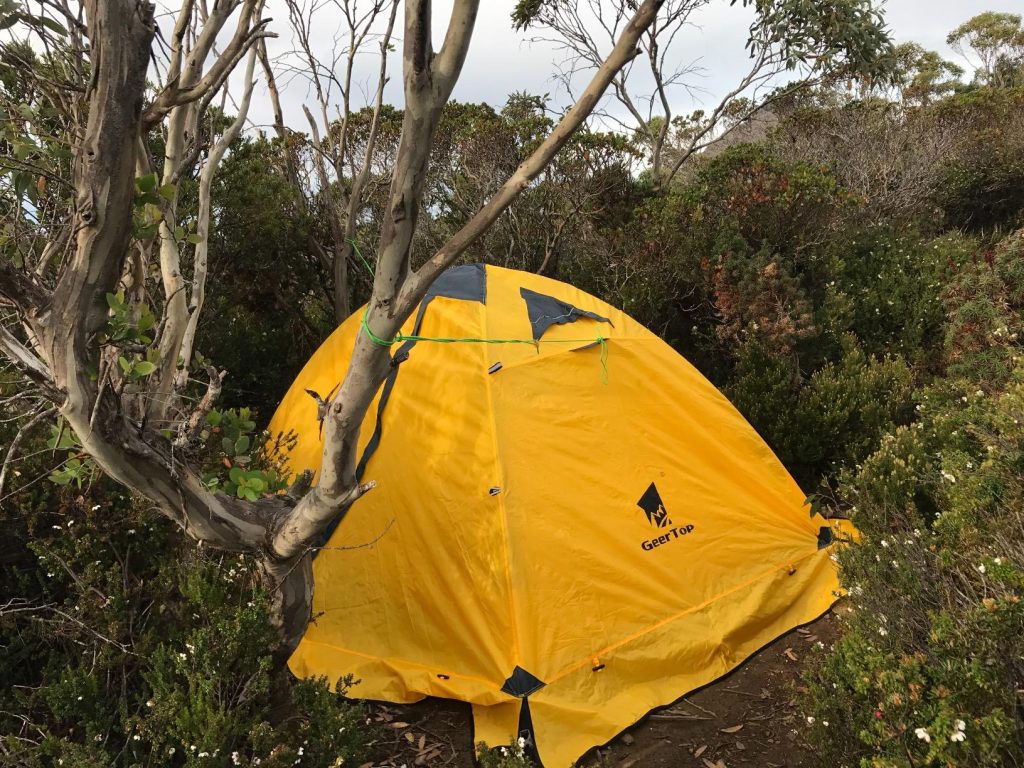
Our Pick: GEERTOP 4 Season 2-Person Waterproof Tent – An excellent entry-level 4-season tent that is built to withstand alpine conditions.
2. Sleeping System: The “R-Value” Secret
Most beginners focus only on the sleeping bag, but the cold ground is what actually steals your body heat.
-
R-Value Matters: Look for a sleeping pad with an R-Value of 5.0 or higher. This measures the pad’s ability to resist heat loss.
-
Double Up: For maximum warmth, place a foam pad (like a Therm-a-Rest Z Lite) under an inflatable insulated pad.
-
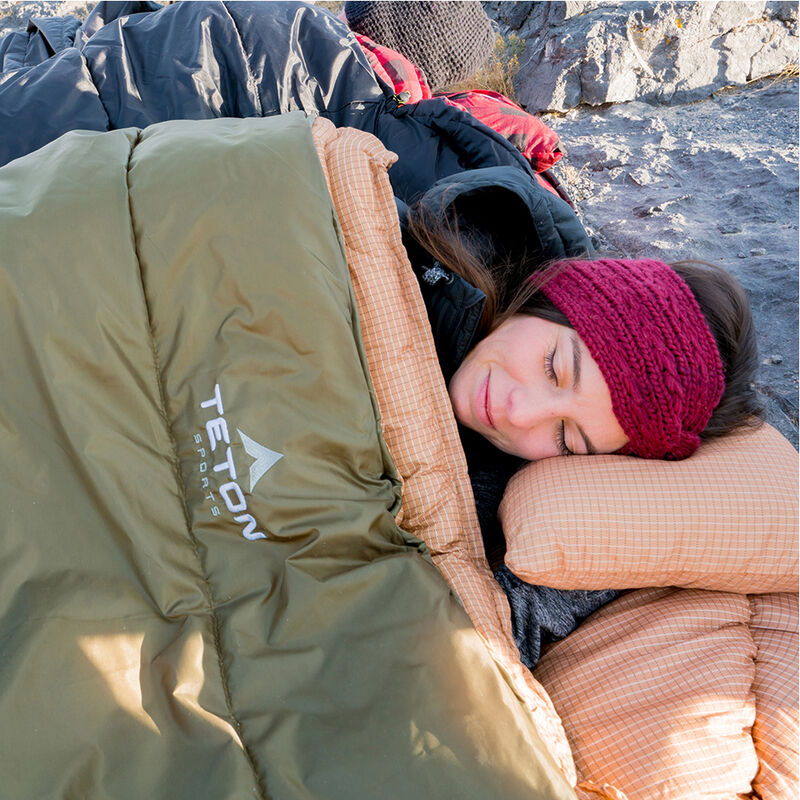
Our Pick (Bag): TETON Sports Celsius -18°C / 0°F Sleeping Bag – A heavy-duty, budget-friendly bag for cold nights.
3. Winter Camping Essential Gear Checklist
| Item | Why You Need It | Recommended Gear |
| Tent Heater | Safe indoor warmth | Mr. Heater Buddy Propane Heater |
| Snow Shovel | Clearing a flat tent site | COPAZZ Compact Snow Shovel |
| Stove (Liquid Fuel) | Gas canisters fail in cold | MSR WhisperLite Universal |
| Insulated Bottle | Keeps water from freezing | Hydro Flask Wide Mouth |
4. How to Stay Warm: Pro Tactics
-
The Hot Water Bottle Trick: Before bed, fill a Nalgene bottle with boiling water, close it tight, and toss it into the bottom of your sleeping bag. It works like a heater for your feet all night.
-
Eat Before Bed: Your body creates heat by digesting food. A high-calorie, fatty snack (like chocolate or peanut butter) right before sleep acts as “fuel” for your internal furnace.
-
Vent Your Tent: It sounds counterintuitive, but you must leave a small vent open. If you seal the tent completely, your breath creates condensation that turns into ice inside the tent.
-
Dry Your Socks: Never go to sleep in the socks you wore during the day. Even if they feel dry, they have micro-sweat in them that will freeze your feet at 3 AM.
5. Safety: Recognizing the Signs
When winter camping, you must be your own doctor. Watch for:
-
Frostbite: Numbness or white/waxy skin on fingers, toes, or nose.
-
Hypothermia: The “umbles”—stumbling, mumbling, and fumbling. If someone starts shivering uncontrollably, get them into a warm sleeping bag and give them a warm drink immediately.
FAQ: Winter Camping Basics
Q: Can I use my regular propane stove?
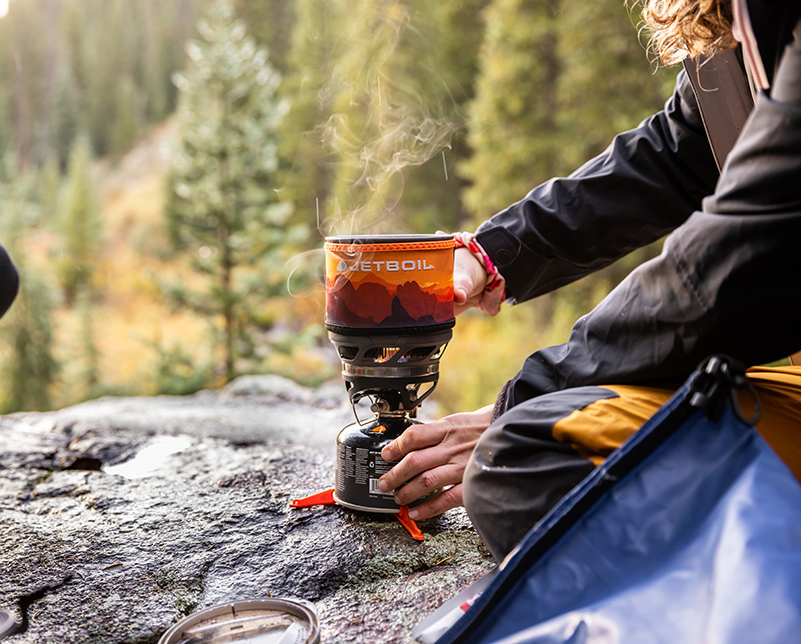
A: Standard butane/propane mixes struggle below freezing. For winter, we recommend a “liquid fuel” stove or a stove like the Jetboil MiniMo which has a pressure regulator for cold weather.
Q: How do I go to the bathroom at night?
A: Don’t hold it! Your body spends energy keeping that liquid warm. When nature calls, get out and go quickly. You’ll actually feel warmer afterward.
Final Thoughts
Winter camping is an incredible skill to master. With a high R-value pad, a Mr. Heater Buddy, and the hot water bottle trick, you can enjoy the peace of a snowy forest as comfortably as your own living room.
Disclaimer: As an Amazon Associate, I earn from qualifying purchases. Stay bold, stay warm!