
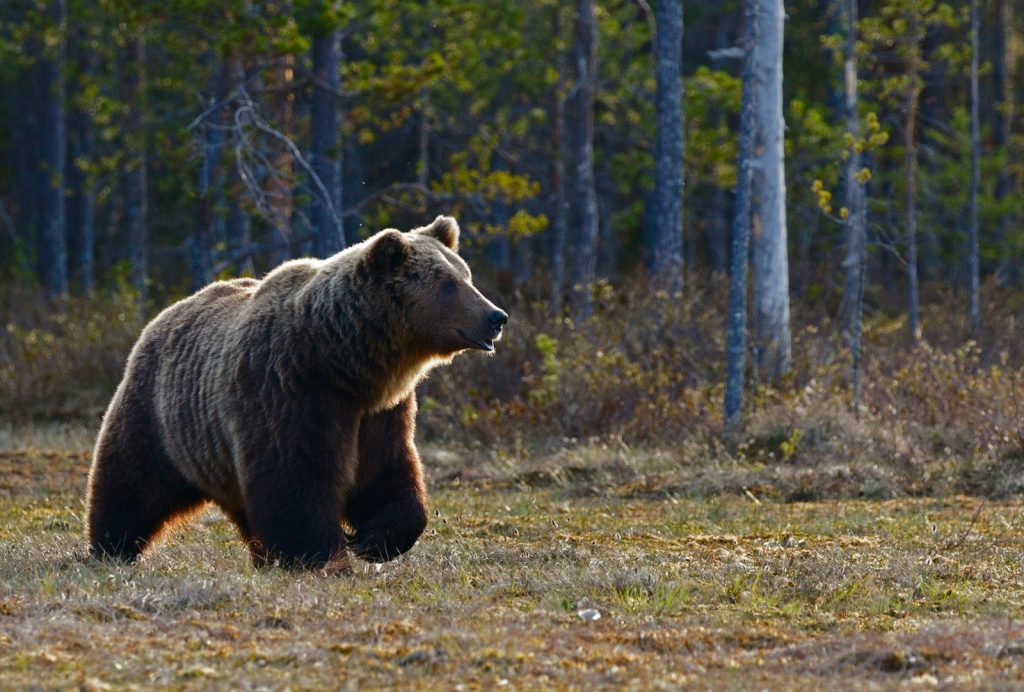
The sight of a bear in the wild is a moment you’ll never forget—it’s a mix of awe and instant adrenaline. While bear attacks are extremely rare, knowing how to react in those first few seconds is the difference between a cool story and a dangerous encounter. Most bears just want to be left alone, and understanding their “body language” is key to staying safe.
With more people hitting the trails, human-bear encounters are on the rise. Here is the professional protocol for handling a bear encounter, whether you’re in a 1-Person Tent or on a mountain trail.
1. The Best Defense: Prevention
The best encounter is the one that never happens.
-
Make Noise: Talk, sing, or clap, especially when moving through thick brush or near running water. Surprise is a bear’s biggest trigger.
-
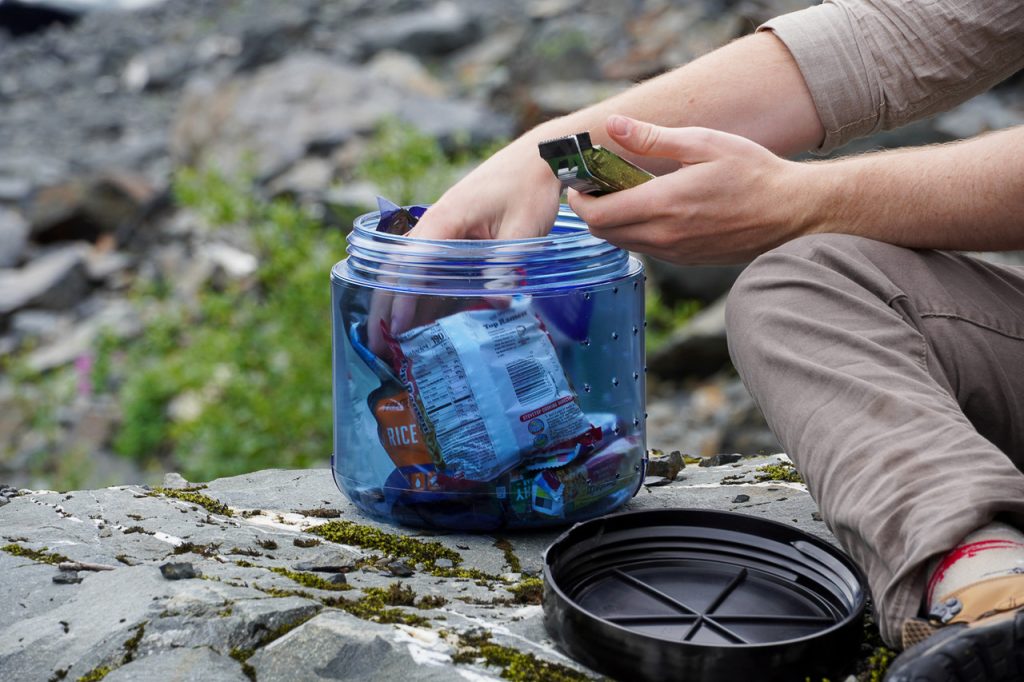
Keep a Clean Camp: As we discussed in our article on How to Store Food, never leave food or “smellables” out. Use a BearVault Canister to keep scents locked away.
2. If You See a Bear (But It Doesn’t See You)
-
Give Them Space: Do not move closer for a photo. Back away slowly and quietly the way you came.
-
Observe: Keep your eyes on the bear but don’t stare directly into its eyes (which can be seen as a challenge).
3. If the Bear Notices You
-
Identify Yourself: Stand your ground and talk in a calm, low-pitched voice. Say something like, “Hey bear, I’m just a human.” This helps the bear realize you aren’t a prey animal.
-
Look Big: Slowly raise your arms above your head. If you are with a group, stand close together to appear as one large unit.
-
DO NOT RUN: Bears are predators; running triggers their “chase” instinct. A bear can run up to 35 mph—you cannot outrun it.
4. Using Bear Spray (Your Most Important Tool)
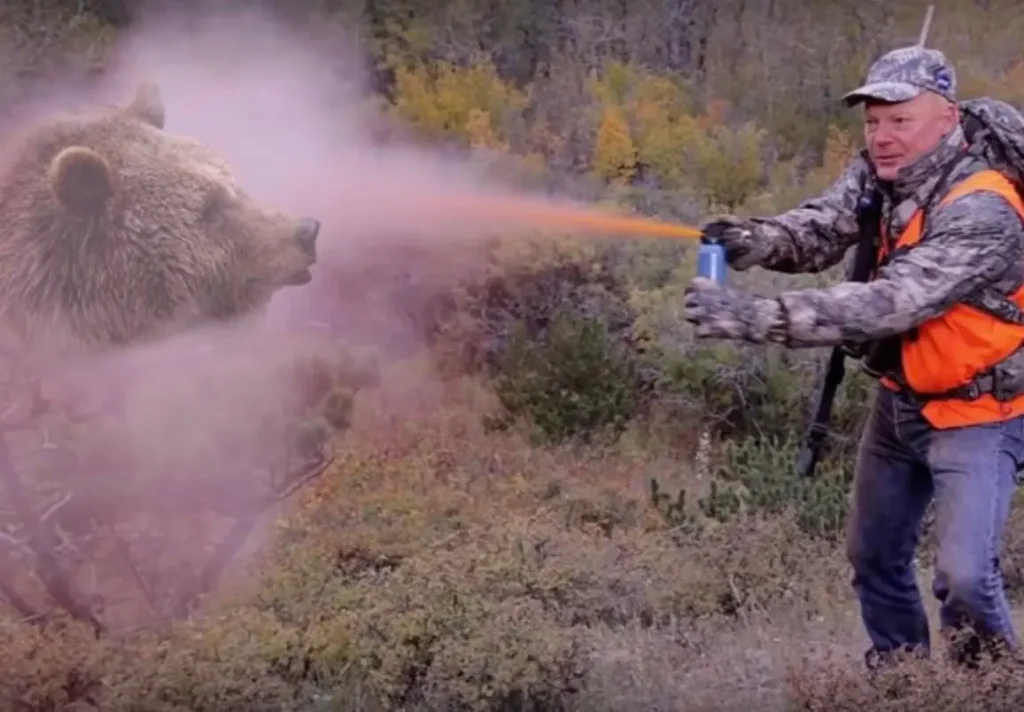
If the bear approaches within 30–60 feet, it’s time to use your Bear Spray.
-
The Cloud: Aim slightly downward in front of the bear’s face and spray a 2-3 second burst. You are creating a “cloud” of pepper oil that the bear will run into.
-
Pro Tip: Always keep your spray in a Holster on your hip or chest strap. It’s useless if it’s inside your backpack.
Bear Behavior Cheat Sheet
| Bear Action | What it Means | Your Response |
| Standing on Back Legs | Curiosity (Trying to smell/see you) | Talk calmly, stay still |
| Huffing/Snapping Jaws | Nervous/Agitated (Warning sign) | Back away slowly, talk low |
| False Charge | “Get away from my space” | Stand your ground, prepare spray |
| Actual Attack | Defensive or Predatory | See “Brown vs. Black” below |
5. If a Bear Attacks: Know the Difference
The “play dead” rule only applies in specific situations. You must know your bear:
Brown/Grizzly Bears
-
If they attack: PLAY DEAD. Leave your backpack on to protect your back. Lie on your stomach, clasp your hands behind your neck, and spread your legs so it’s harder for the bear to flip you over. Stay still until the bear leaves.
Black Bears
-
If they attack: DO NOT PLAY DEAD. Black bear attacks are usually predatory. Fight back with everything you have. Use sticks, rocks, or your bare hands. Focus your blows on the bear’s face and muzzle.
3 Common Myths About Bears
-
Myth: Bears can’t climb trees. (False: Both black and grizzly bears are excellent climbers).
-
Myth: Bear bells are enough. (False: “Dinner bells” are often too quiet. Your voice is a much better deterrent).
-
Myth: A bear standing up is about to charge. (False: They usually stand up just to get a better look or smell of you).
FAQ: Bear Safety
Q: Is bear spray better than a firearm?
A: Statistical studies by wildlife agencies consistently show that bear spray is more effective at stopping an attack and preventing injury to both the human and the bear.
Q: Can I use regular pepper spray?
A: No. Bear spray is a specific formula with a much longer range (30+ feet) and a wider spray pattern. Personal pepper spray will not work on a 600lb grizzly.
Final Thoughts
Respect the bear, and the bear will usually respect you. By carrying Counter Assault Bear Spray and knowing these basic steps, you can hike with confidence.
Disclaimer: As an Amazon Associate, I earn from qualifying purchases. Stay safe, stay wild!