
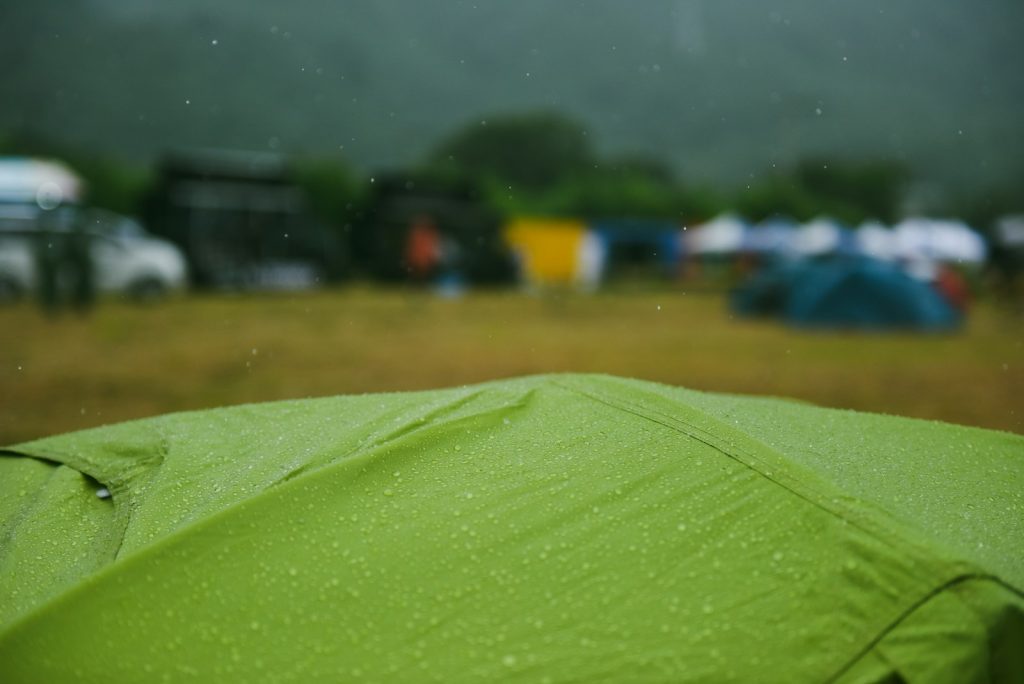
There is nothing worse than waking up in a soggy sleeping bag because your tent couldn’t handle a midnight rainstorm. When shopping for a tent, you’ll see technical terms like “1500mm,” “Ripstop,” and “Seam-sealed.” But what do they actually mean?
In this guide, we’ll break down how to read Waterproof Ratings so you can pick a tent that keeps you bone-dry, no matter what the weather forecast says.
1. What is the Hydrostatic Head (HH) Rating?
The waterproofness of a tent fabric is measured in millimeters (mm), known as the Hydrostatic Head (HH) rating.
Imagine a glass tube standing on the tent fabric. The “rating” is the height of the water column (in mm) the fabric can support before water starts to leak through.
-
1,000mm to 1,500mm: Suitable for light summer rain.
-
2,000mm to 3,000mm: The “Sweet Spot” for 3-season camping (spring to fall). Handles heavy rain and wind.
-
5,000mm+: Expedition grade. Built for extreme storms and snow.
Our Pick for Heavy Rain: Coleman WeatherMaster 6-Person Tent – Features the WeatherTec system with inverted seams and a 75D polyester fly.

2. It’s Not Just the Fabric: Check the Seams and Floor
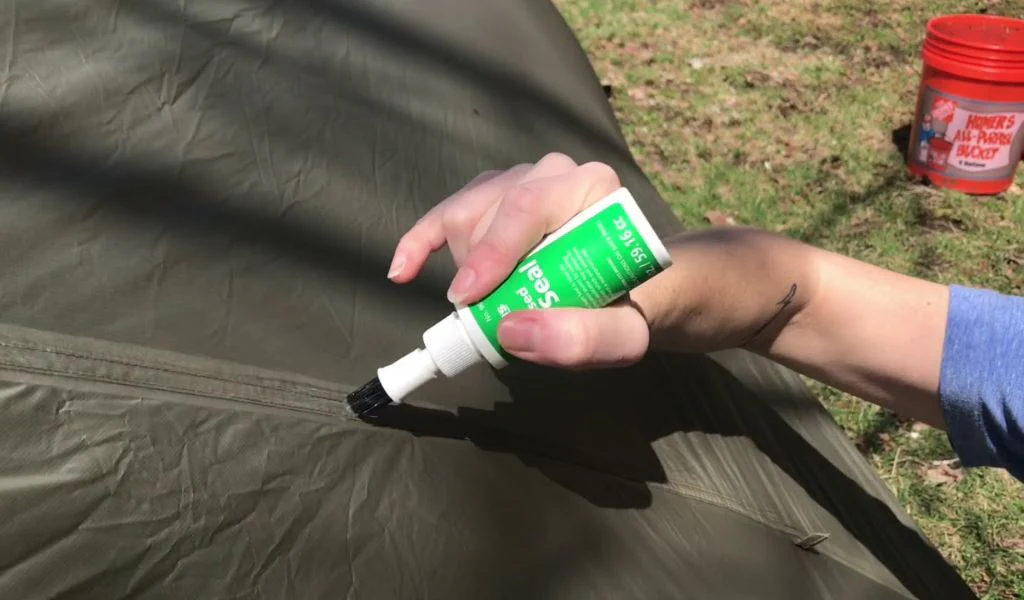
A high HH rating means nothing if the water can leak through the needle holes in the seams.
-
Seam Taping: Look for “Factory Taped Seams.” This means a waterproof tape has been heat-sealed over the stitching.
-
The “Bathtub” Floor: The floor material should wrap several inches up the sides of the tent before meeting the walls. This prevents standing water from seeping in.
-
Our Pick: MSR Hubba Hubba NX 2-Person Backpacking Tent – Known for its Xtreme Shield waterproof coating and precision-welded seams.
-
3. The Role of the Rainfly: Full-Coverage vs. Partial
In the US market, you’ll find two main styles of rainflies:
-
Full-Coverage Fly: Extends all the way to the ground. This is essential for mountains and rainy climates (like the Pacific Northwest).
-
Partial Fly: Only covers the top of the tent. Better for ventilation in hot weather, but risky in wind-driven rain.
Our Pick for Full Protection: ALPS Mountaineering Lynx 1-Person Tent – A budget-friendly favorite with a full-coverage fly and 2000mm coating.
Waterproofing Comparison Table
| Feature | Low Protection (1,000mm) | Mid Protection (2,000mm-3,000mm) | High Protection (5,000mm+) |
| Best For | Backyard / Festivals | General 3-Season Camping | Mountaineering / Winter |
| Rain Type | Light Sprinkles | Heavy Rain & Wind | Storms & Deep Snow |
| Durability | Light / Thin | Standard | Heavy Duty |
| Price | $ | $$ | $$$ |
4. Pro Tips to Keep Your Tent Dry
Even the best tent needs a little help. Use these 3 hacks:
-
Use a Footprint: A “footprint” (ground cloth) protects your tent floor from rocks and prevents ground moisture from seeping through.
-
Recommended: REDCAMP Waterproof Camping Tarp.
-
-
Don’t Touch the Walls: If you touch the inside of a wet tent wall, you create a “bridge” that pulls water through the fabric via capillary action.
-
Proper Tension: Make sure your rainfly is pulled tight using “guy lines.” If the fly touches the inner tent body, moisture will transfer inside.
FAQ: Tent Waterproofing
Q: Does a higher rating mean a better tent?
A: Not always. A very high rating (like 10,000mm) makes the fabric heavier and less breathable, which can cause condensation inside. For most campers, 2,000mm to 3,000mm is the perfect balance.
Q: Can I re-waterproof an old tent?
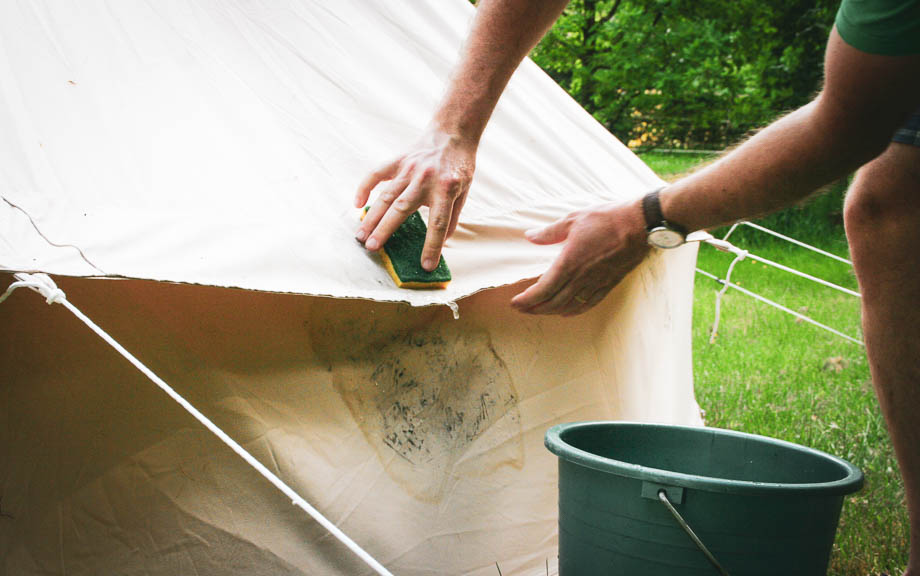
A: Yes! You can use a spray like Nikwax Tent & Gear SolarProof to restore the DWR (Durable Water Repellent) coating.
Final Thoughts
Don’t let the numbers confuse you. If you are a casual camper, look for at least 1,500mm and factory-taped seams. If you plan to head into the mountains, aim for 3,000mm and a full-coverage fly.