
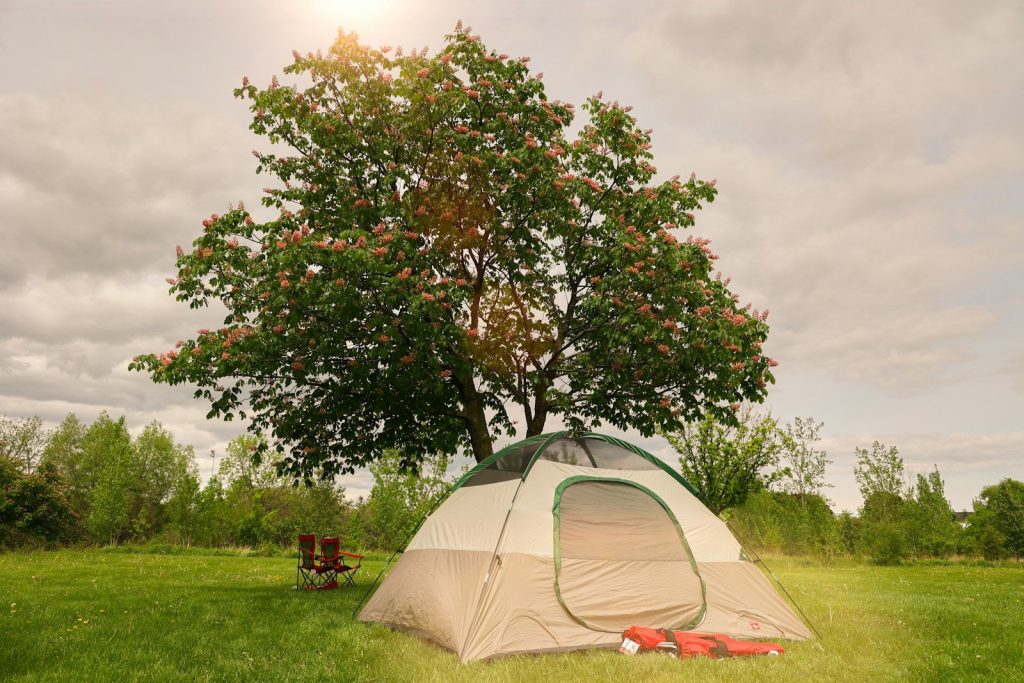
Buying a camping tent is one of the biggest investments you’ll make in your outdoor gear. Your tent is your home away from home; it’s the only thing standing between you and a swarm of mosquitoes or a sudden midnight downpour. With thousands of options on the market—ranging from $50 “pop-ups” to $800 mountaineering fortresses—choosing the right one can feel overwhelming.
In 2026, tent technology has shifted toward smarter materials and easier setups. Here is everything you need to know to choose the perfect tent for your adventures.
1. Determine Your Tent Capacity
Tent sizes are rated by the number of people they can hold (e.g., 2-person, 4-person). However, these ratings are “cozy”—they assume you are sleeping shoulder-to-shoulder with no extra gear inside.
-
The Plus-One Rule: For a comfortable experience, always choose a tent with a capacity rated for one person more than your actual group size.
-
Solo Hikers: A 1-Person Tent is for weight-savers. A 2-person tent offers room for your pack.
-
Families: If you are camping with kids or dogs, a 6-Person Cabin Tent allows you to stand up and move around freely.
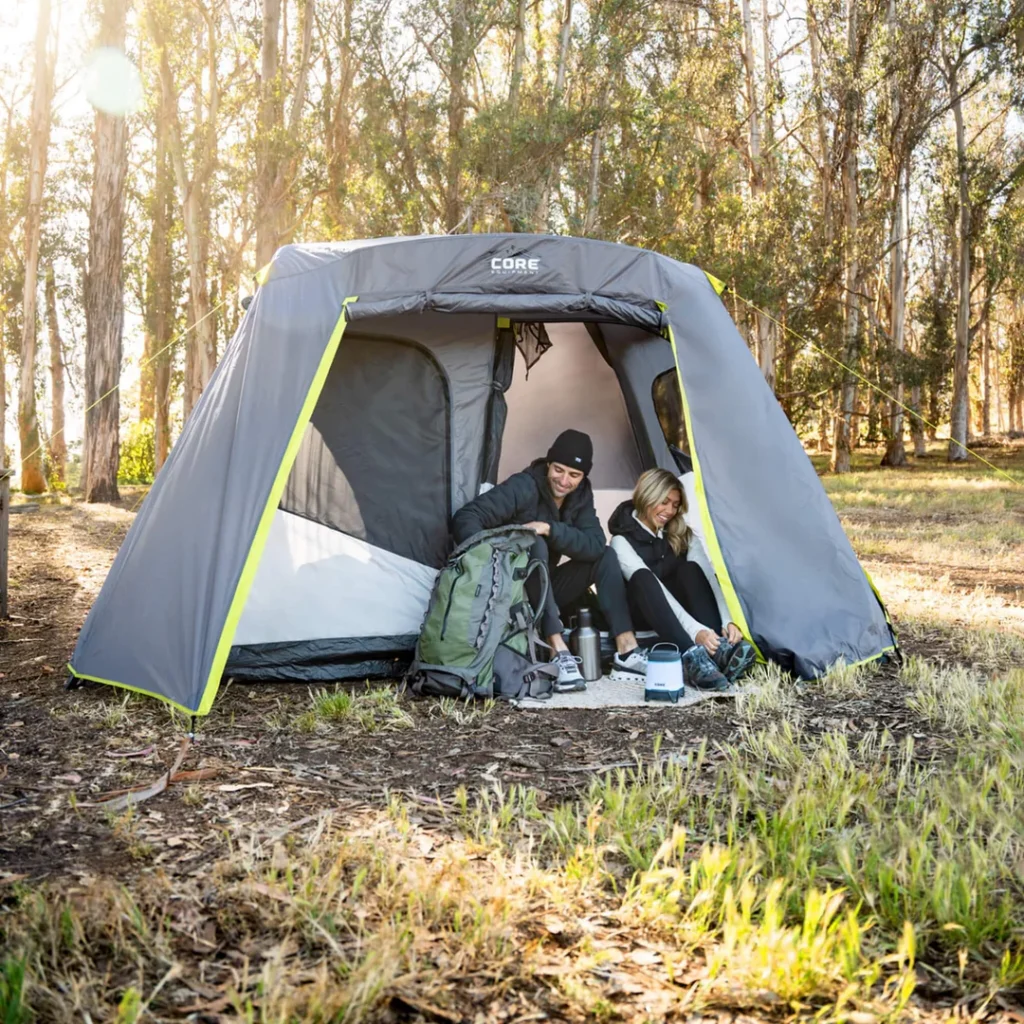
2. Consider the Seasonality
Most campers only need a 3-season tent. Here is the breakdown:
-
3-Season Tents: Designed for spring, summer, and fall. They have mesh panels for airflow and a rainfly to shed rain.
-
Extended Season (3+ Season): Beefier than a 3-season, meant for late fall or early spring when light snow is possible.
-
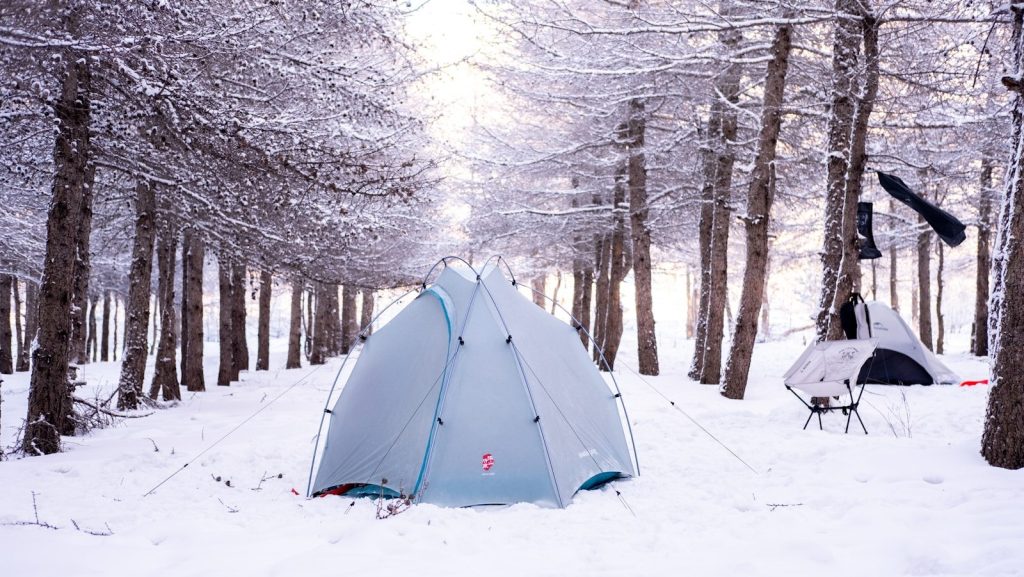
4-Season Tents: These are Winter Tents. They use heavy-duty poles and solid fabric walls to handle high winds and heavy snow loads.
3. Weight vs. Comfort
Where are you taking this tent?
-
Backpacking: Every ounce counts. Look for an “ultralight” model (under 3 lbs for a 2-person tent) like the Big Agnes Copper Spur. These use thinner, high-tech fabrics.
-
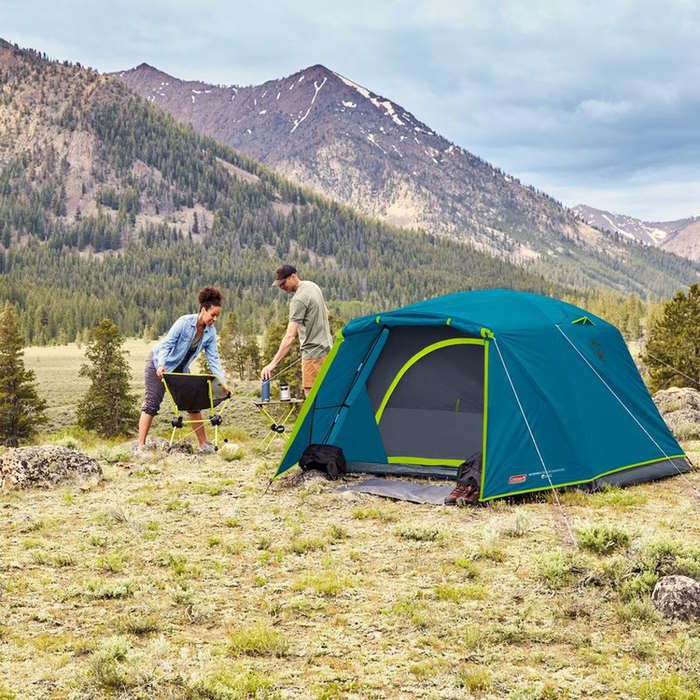
Car Camping: Weight doesn’t matter. Focus on “livability.” Look for high ceilings, built-in pockets, and large vestibules (the “porch” area outside the door) like those found in the Coleman Skydome.
4. Key Features to Look For
Before you hit “Buy” on Amazon, check for these three essentials:
-
The Rainfly: Never buy a tent without a full-coverage rainfly. It should reach almost to the ground to ensure water doesn’t splash under the tent.
-
Aluminum Poles: Avoid cheap fiberglass poles if possible. Aluminum is lighter, stronger, and much easier to repair if it bends.
-
Bathtub Floor: This means the waterproof floor material continues several inches up the walls before meeting the mesh. It prevents “splash-back” during heavy rain.
Quick Comparison: Tent Shapes
| Tent Shape | Best For | Pros | Cons |
| Dome | Backpacking / Wind | Aerodynamic, sheds rain well | Sloped walls limit head space |
| Cabin | Family Camping | Vertical walls, you can stand up | Heavy, poor in high winds |
| Tunnel | Large Groups | Huge vestibule space | Requires stakes to stay upright |
| Pop-Up | Festivals / Backyard | Sets up in seconds | Not durable for “real” storms |
5. Don’t Forget the “Must-Have” Accessories
To make your tent last a decade, you’ll need a few add-ons:
-
Footprint: A Tent Footprint protects your floor from sharp rocks and moisture.
-
Upgraded Stakes: Most tents come with cheap stakes that bend in hard dirt. Invest in a set of MSR Groundhog Stakes for total security.
-
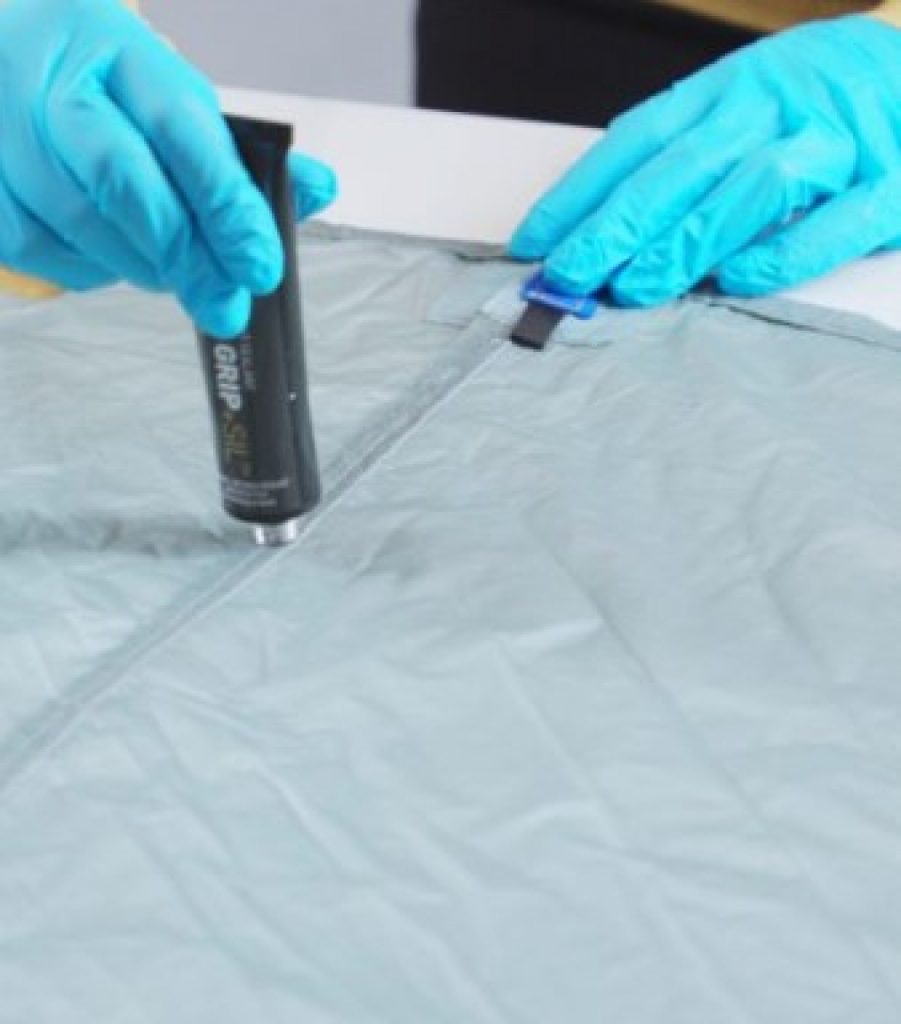
Seam Sealer: Even the best tents can develop leaks over time. A bottle of Gear Aid Seam Grip is an essential part of your maintenance kit.
FAQ: Tent Shopping
Q: What is “Denier” (D)?
A: This measures the thickness of the fabric. A lower number (e.g., 15D) is ultralight and thin; a higher number (e.g., 75D) is heavier and more durable.
Q: Are expensive tents worth it?
A: If you camp once a year in a sunny backyard, a budget tent is fine. If you plan to hike or camp in the rain, spending more on a brand like MSR or Nemo ensures you stay dry and your gear doesn’t break in the middle of nowhere.
Final Thoughts
Choosing a tent is about balancing your budget with your needs. If you want a “do-it-all” shelter, a high-quality 3-season dome tent is the safest bet for 95% of campers.
Disclaimer: As an Amazon Associate, I earn from qualifying purchases. Happy camping!