
Category
The 10 Essentials
Navigation
Sun protection
Insulation
Illumination
First-aid
Fire
Repair kit
Nutrition
Hydration
Emergency shelter
Our Top Picks
- Best Daypacks for Hiking: Top 5 Picks for Your Next Adventure
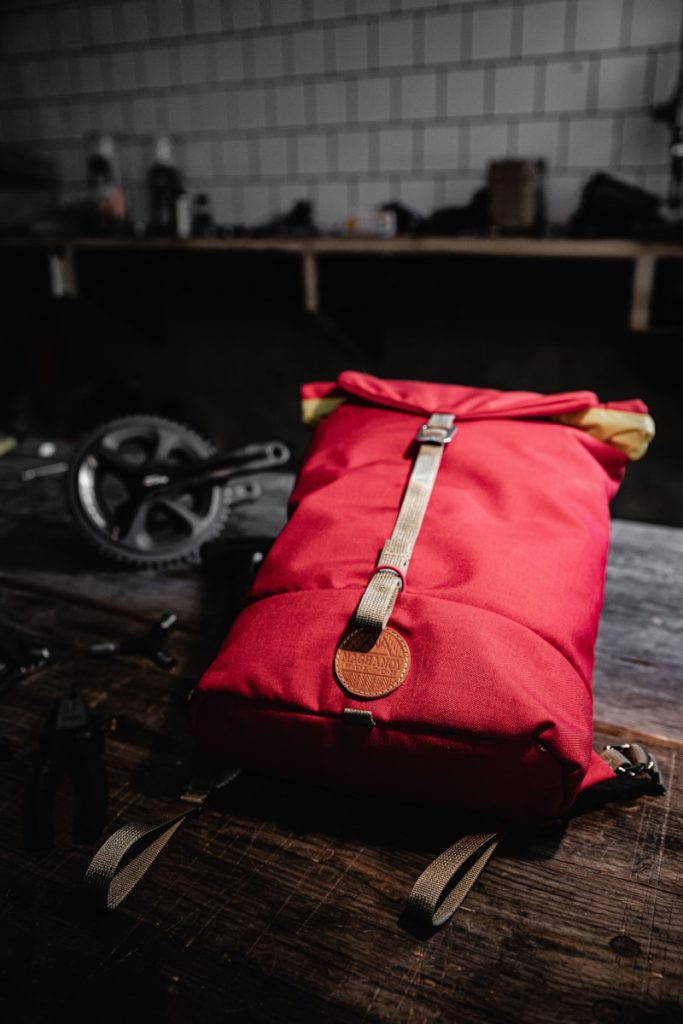
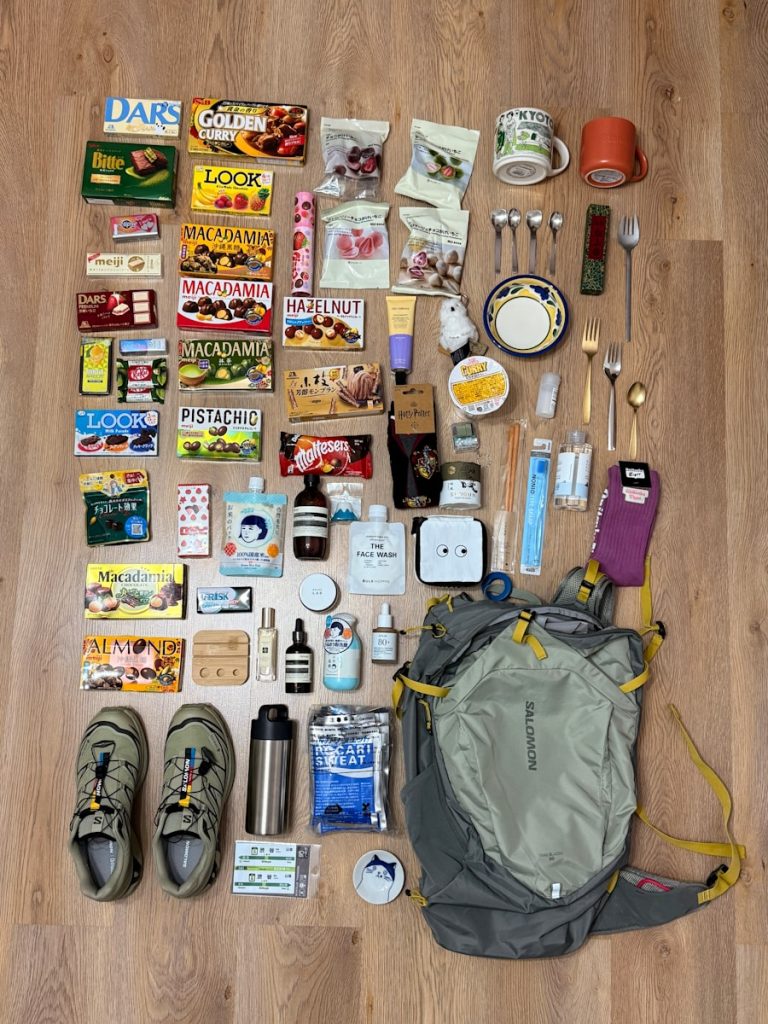
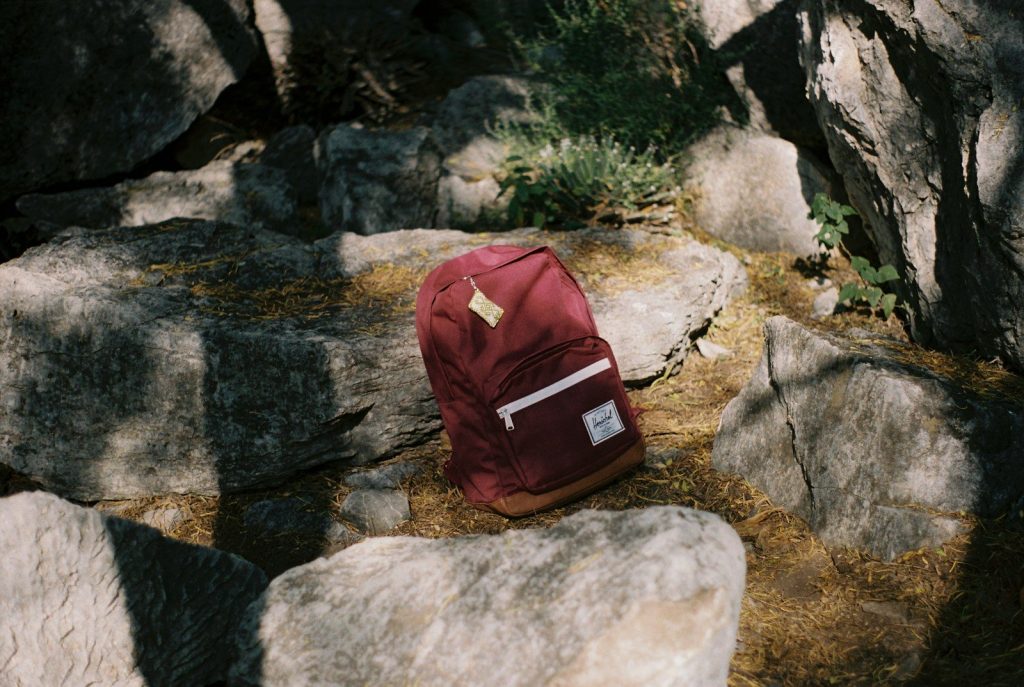 A great daypack is like a silent partner on the trail. It needs to hold your water, snacks, and extra layers without digging into your shoulders or making your back a sweaty mess. Whether you’re tackling a grueling 10-mile summit or just taking a casual stroll through a local state park, the right pack makes… Read more: Best Daypacks for Hiking: Top 5 Picks for Your Next Adventure
 - Best Waterproof Jackets for Hiking: Stay Dry in Any Storm
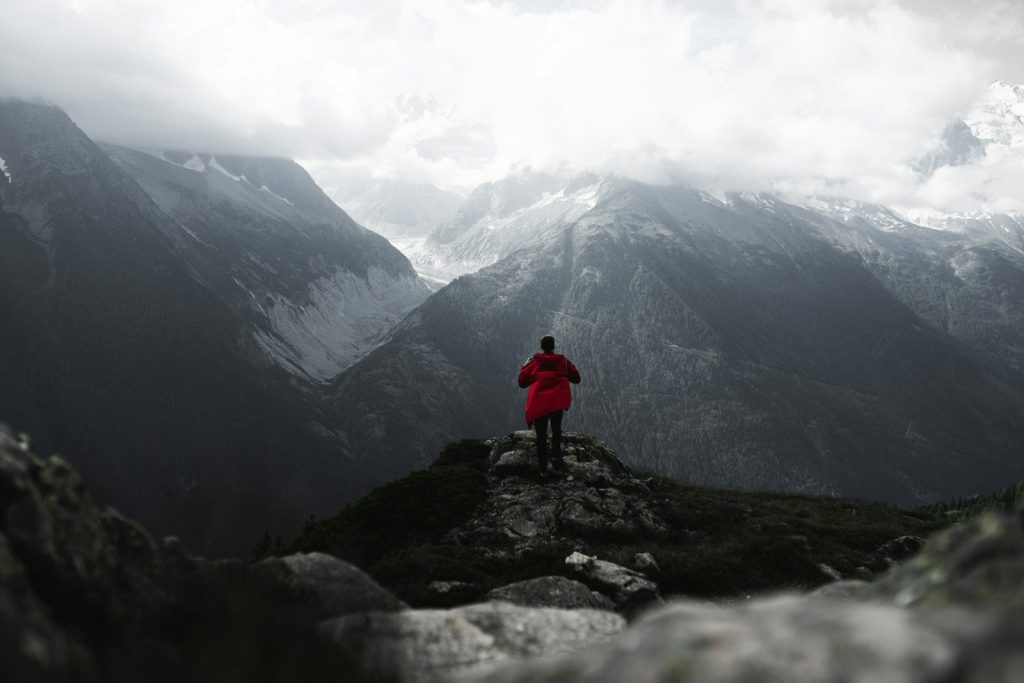 In the mountains, a rain jacket is more than just a piece of clothing—it’s a critical piece of safety gear. A sudden downpour can lead to hypothermia even in mild temperatures if you aren’t properly protected. The “perfect” hiking jacket needs to be a fortress against rain while still allowing your sweat to escape so… Read more: Best Waterproof Jackets for Hiking: Stay Dry in Any Storm
 - Best Trail Running Shoes for Hiking: Top 5 Picks
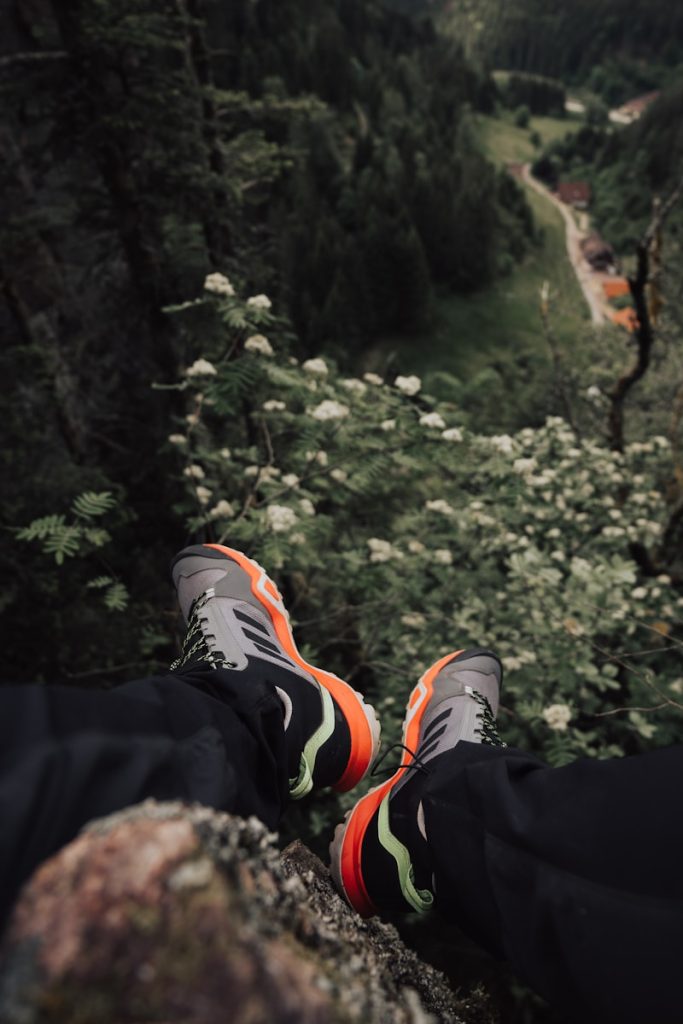
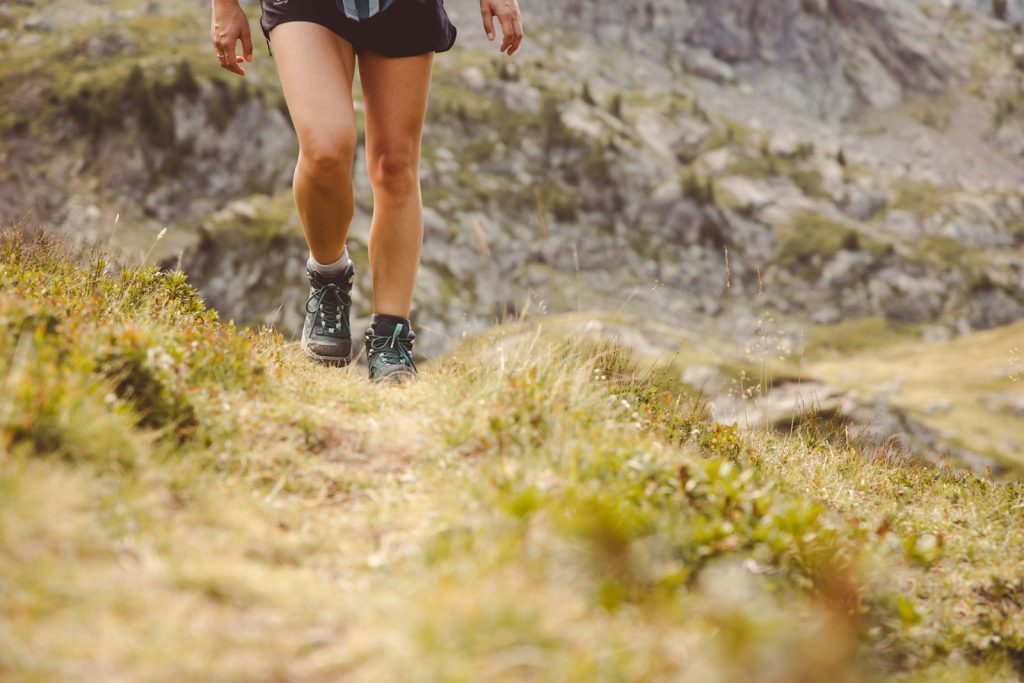 The age-old debate of “boots vs. shoes” is leaning heavily toward shoes. For most hikers, heavy leather boots are overkill for well-maintained trails. Trail running shoes offer better breathability, significantly less weight, and require zero “break-in” time. As the saying goes: “A pound on your feet equals five pounds on your back.” In 2026, the… Read more: Best Trail Running Shoes for Hiking: Top 5 Picks
 - Best Backpacking Backpacks (50–70L)
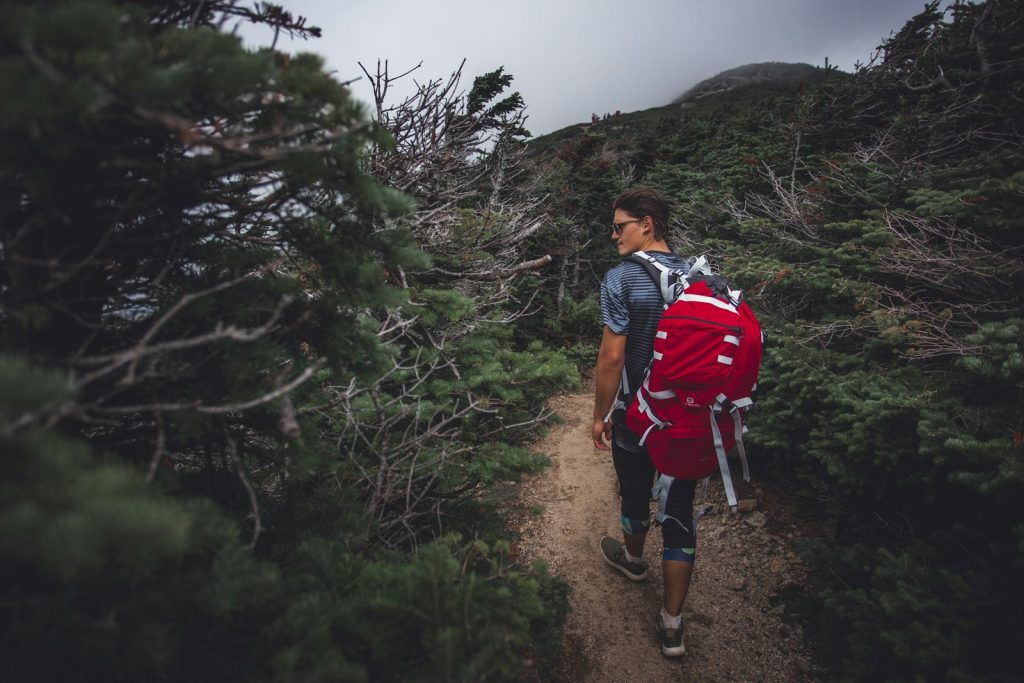 Your backpack is the most personal piece of gear you’ll own. It’s your mobile home, responsible for carrying everything you need to survive on the trail. A poorly fitting pack can turn a beautiful hike into a painful ordeal, while the right one will distribute weight so effectively you’ll forget you’re carrying 35 pounds. For… Read more: Best Backpacking Backpacks (50–70L)
 - Top 5 Best Hiking Jackets
 In the mountains, the weather can change in an instant. A sunny trail can turn into a freezing rainstorm within minutes, making your choice of a hiking jacket a matter of both comfort and safety. In 2026, “technical layering” is the key—jackets are now lighter, more breathable, and more packable than ever. Whether you need… Read more: Top 5 Best Hiking Jackets
 - Top 5 Best Hiking Boots
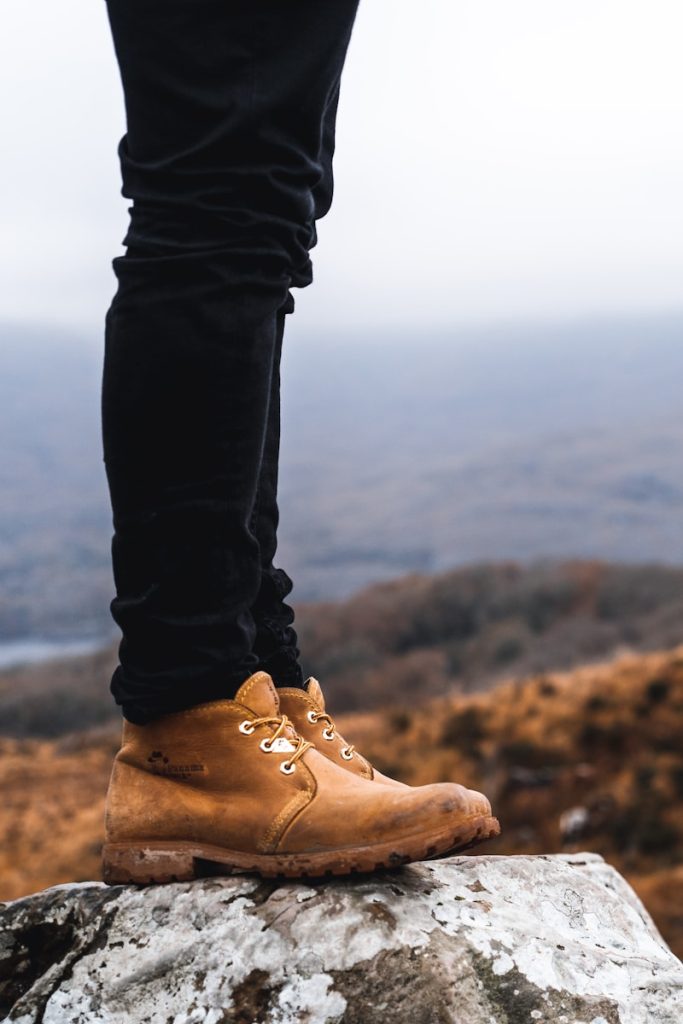
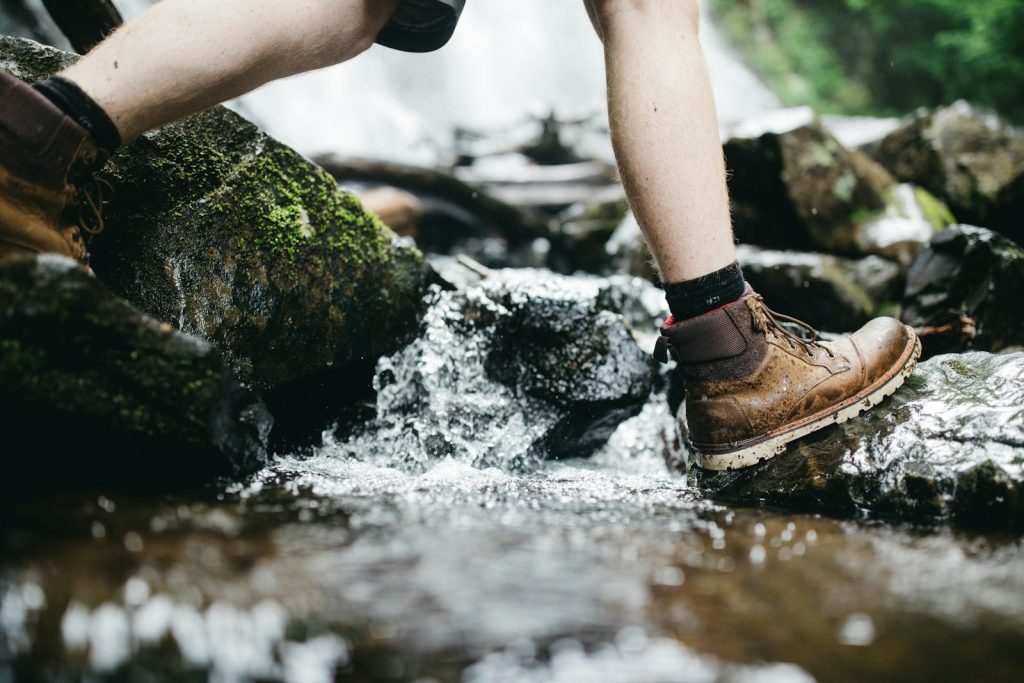 Footwear is the most personal piece of gear you will ever own. A good pair of boots protects your ankles, prevents blisters, and provides the traction needed to navigate slippery rocks and muddy trails. In 2026, the trend has shifted towards “hybrid” boots—gear that offers the durability of a traditional leather boot but the weight… Read more: Top 5 Best Hiking Boots
FAQ
Hiking usually refers to shorter trips that last a few hours or a single day, where you return home or to your campsite the same day. The focus is mainly on walking, enjoying nature, and carrying only light essentials such as water, snacks, and extra clothing. Backpacking, on the other hand, involves multi-day trips where you carry everything you need on your back, including a tent, sleeping bag, food, and cooking equipment. Because of this, backpacking requires more planning, physical endurance, and specialized gear.
A good general rule is that a fully loaded backpacking pack should weigh no more than 20–25% of your body weight. Lighter packs are always more comfortable and reduce strain on your back, knees, and shoulders. Beginners often start with heavier packs, but with experience and better gear choices, it becomes easier to reduce weight. Focusing on lightweight, high-quality equipment and packing only what you truly need makes a big difference on longer hikes.
Trail runners and hiking boots each have their advantages, and the best choice depends on the terrain and personal preference. Trail runners are lighter, more flexible, and dry faster, making them popular for long distances and well-maintained trails. Hiking boots offer more ankle support, durability, and protection, which can be important on rocky, muddy, or uneven terrain. For many hikers, trail runners are more comfortable, while others prefer the stability and support of traditional hiking boots.