
My tips
Protect the Outdoors
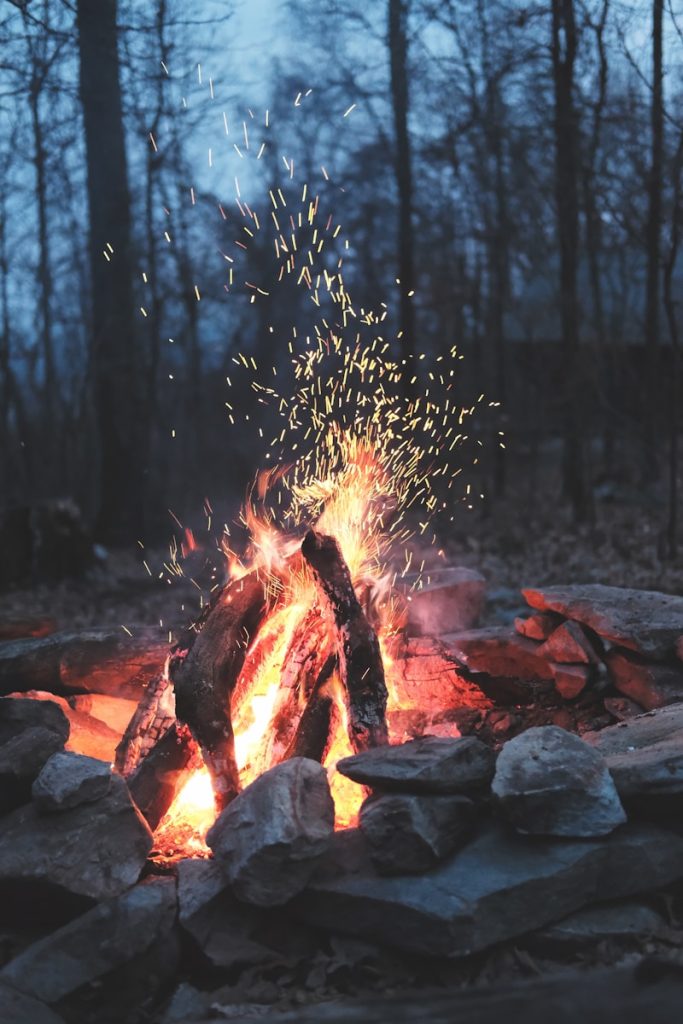
The Leave No Trace principles are a set of guidelines designed to protect nature while hiking and camping. They encourage outdoor enthusiasts to plan ahead and prepare, travel and camp on durable surfaces, and dispose of waste properly. Respecting wildlife and leaving what you find helps preserve natural ecosystems. Campfires should be minimized and used responsibly, or avoided when possible. Being considerate of other visitors ensures everyone can enjoy the outdoors. By following these seven principles, we reduce our impact on the environment and help keep wild places clean, safe, and beautiful for future generations.
Latest posts
- Best No-Cook Camping Food Ideas for Easy Outdoor Meals
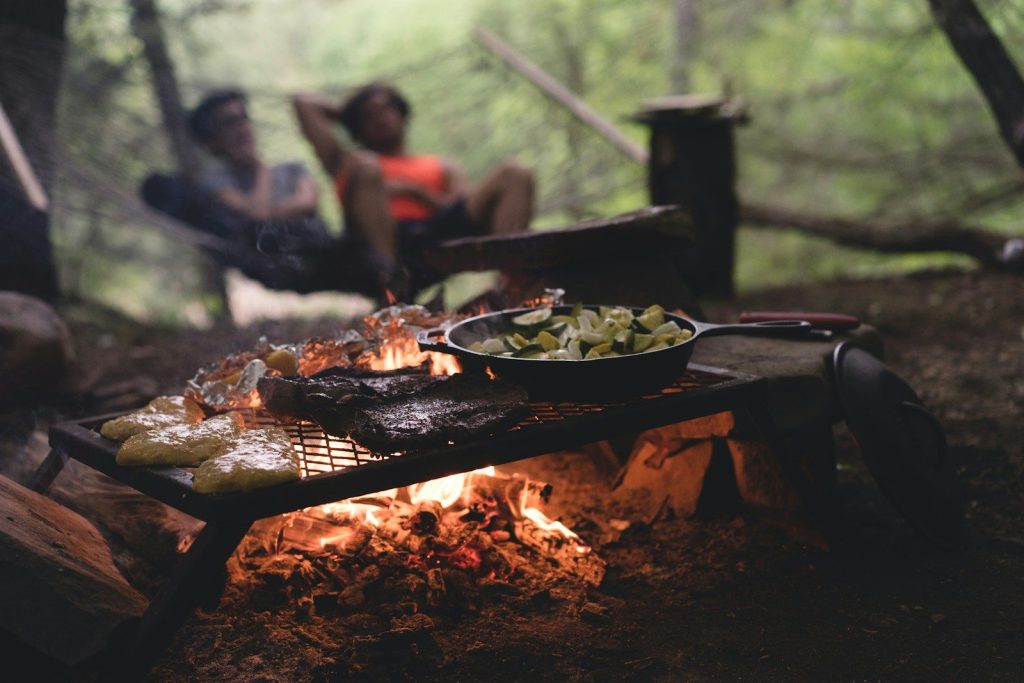 When you’re tired, it’s raining, or you just don’t want to deal with a stove, no-cook camping food is a lifesaver. I’ve relied on cold meals during long backpacking trips, fast-moving road trips, and minimalist wild camping where every gram and minute mattered. This 2026 guide is based on real outdoor experience, product testing, and… Read more: Best No-Cook Camping Food Ideas for Easy Outdoor Meals
 - Essential First Aid Kit for Camping: Be Prepared for Anything
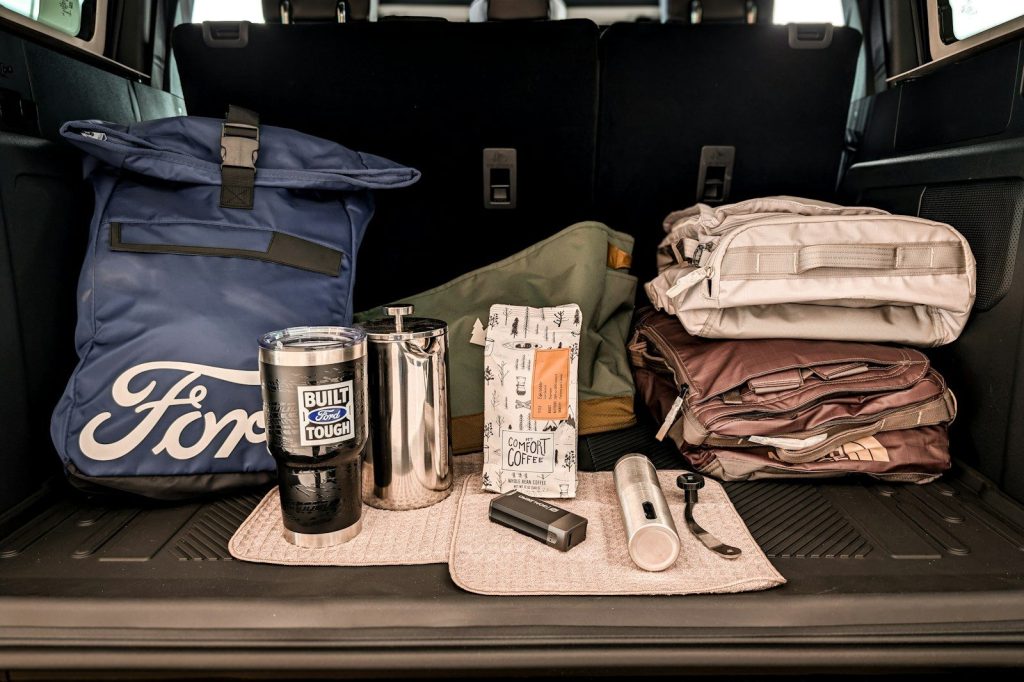 When you’re miles away from the nearest pharmacy or hospital, a well-stocked first aid kit isn’t just a convenience—it’s a necessity. From simple blisters and scraped knees to more serious stings or sprains, being prepared can prevent a small mishap from turning into a wilderness emergency. In 2026, you can buy excellent pre-made kits, but… Read more: Essential First Aid Kit for Camping: Be Prepared for Anything
 - How to Choose a Campsite: The Ultimate Guide to a Perfect Night
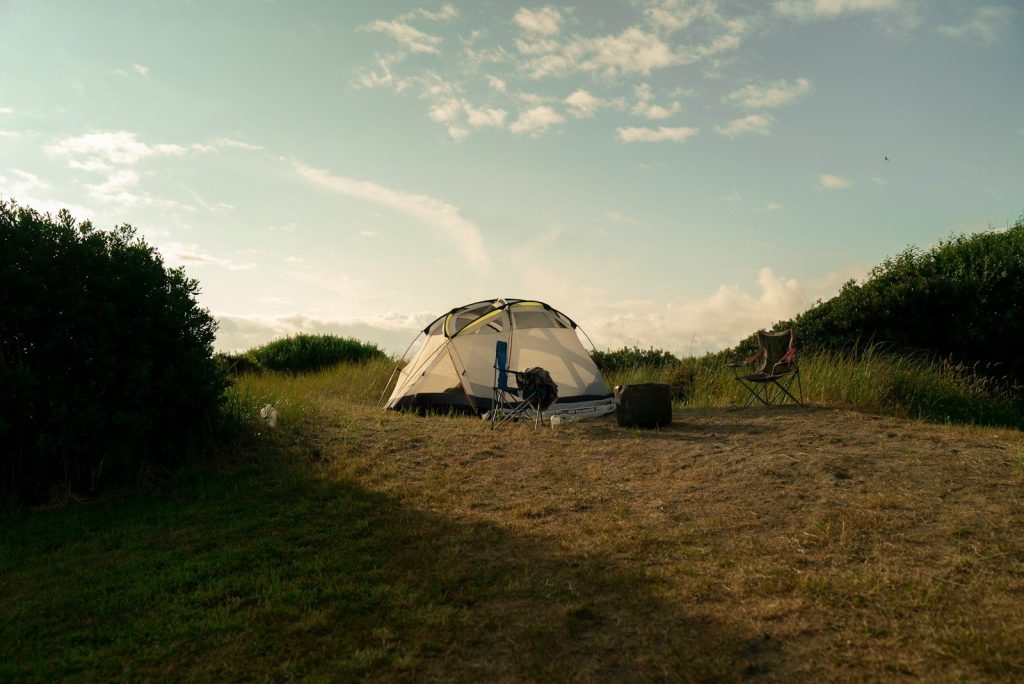 Finding the perfect spot to pitch your tent is more of an art than a science. A bad choice can lead to a night of sliding off your sleeping pad, battling wind, or—worst of all—waking up in a puddle. Whether you are at an established campground or “dispersed camping” in the deep wilderness, where you… Read more: How to Choose a Campsite: The Ultimate Guide to a Perfect Night
 - Easy Camping Meals for Beginners: Delicious Food Without the Stress
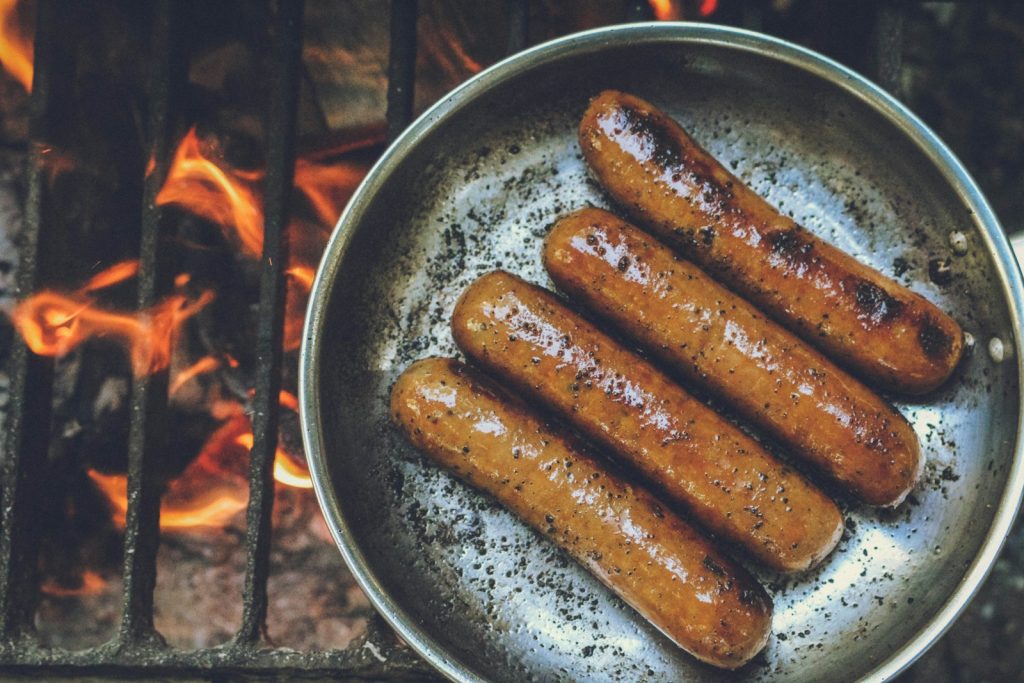 One of the most common mistakes new campers make is trying to cook complicated, five-course meals in the middle of the woods. Between managing a campfire and dealing with limited prep space, “fancy” can quickly become “frustrating.” The secret to great camp food? Simplicity. In this guide, we’ve rounded up five easy, beginner-friendly meals that… Read more: Easy Camping Meals for Beginners: Delicious Food Without the Stress
 - Camping Safety Tips Everyone Should Know
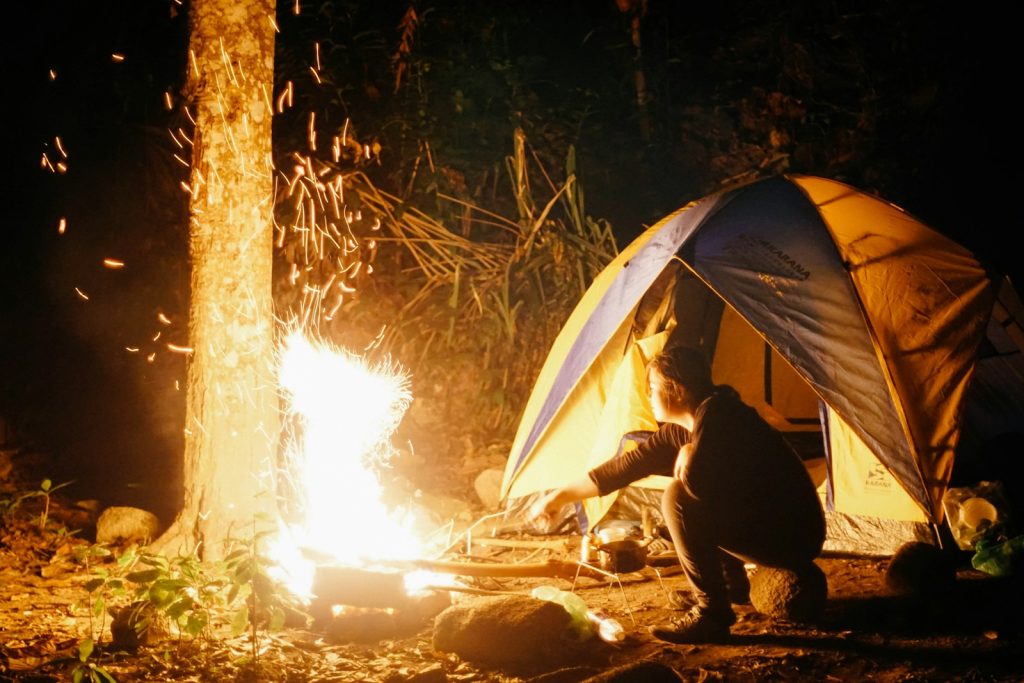 Safety is the one thing that can make or break a trip. While nature is beautiful, it’s also unpredictable. Whether you’re a solo backpacker or a family of four, understanding the “rules of the trail” is what separates a great memory from a dangerous situation. In this guide, we’ve gathered the most critical camping safety… Read more: Camping Safety Tips Everyone Should Know
 - Camping for Beginners: The Ultimate Guide to Your First Night Outdoors
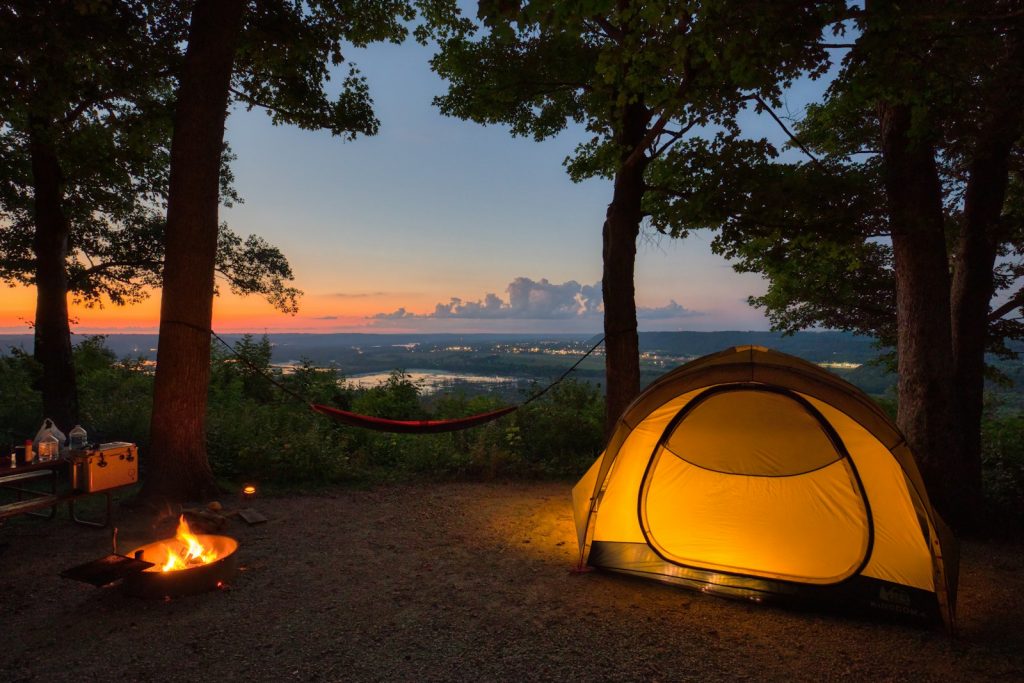 If you’ve never spent a night under the stars, the idea of camping can feel a bit overwhelming. What if it rains? What will I eat? How do I stay warm? The truth is, camping is much easier (and more comfortable) than most people think—provided you have the right plan. This guide will walk you… Read more: Camping for Beginners: The Ultimate Guide to Your First Night Outdoors
FAQ
Hiking usually refers to shorter trips that last a few hours or a single day, where you Staying warm in a tent starts with proper preparation and the right gear. A high-quality sleeping bag rated for the expected nighttime temperatures is essential, as it provides insulation and traps body heat. Using a sleeping pad or insulated mat under your sleeping bag is just as important, because a lot of heat is lost through the ground. Wearing dry, warm clothing such as thermal layers and wool socks can help retain heat, but avoid wearing damp clothes. Eating a warm meal before bed and staying hydrated also help your body generate warmth. Finally, make sure your tent is properly set up and protected from wind, as even small drafts can significantly reduce warmth.
The most effective way to keep food cold while camping is to use a high-quality cooler with plenty of ice or reusable ice packs. Pre-chilling both the cooler and the food before your trip helps maintain low temperatures for a longer time. Keep the cooler in the shade and open it as little as possible to prevent warm air from getting inside. Organizing food so that frequently used items are easy to access also reduces heat exposure. For longer trips, consider using frozen foods that slowly thaw and help keep other items cold.
Camping during a thunderstorm can be dangerous, especially if you are unprepared. If possible, it is best to avoid camping in exposed areas such as hilltops, open fields, or near tall isolated trees, as these increase the risk of lightning strikes. In the event of a storm, seek lower ground away from water, metal objects, and potential falling branches. Modern tents do not protect against lightning, so safety depends on choosing the right campsite and reacting quickly. If severe weather is forecast, postponing your trip or finding a safer shelter is always the safest decision.