
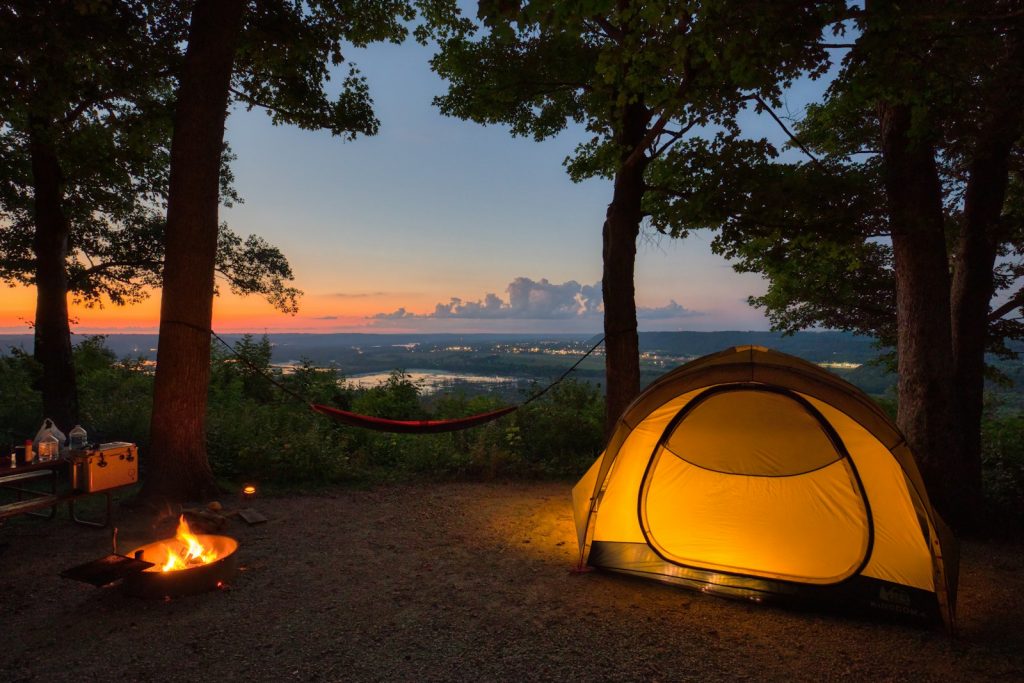
If you’ve never spent a night under the stars, the idea of camping can feel a bit overwhelming. What if it rains? What will I eat? How do I stay warm? The truth is, camping is much easier (and more comfortable) than most people think—provided you have the right plan.
This guide will walk you through the basics of beginner camping, from choosing your first site to picking the essential gear that won’t break the bank.
1. Choose Your Camping Style
Before you buy anything, decide what kind of experience you want:
-
Car Camping: This is the best choice for beginners. You drive your car right up to the campsite, meaning you can bring a larger tent, a cooler full of fresh food, and real pillows.
-
Backpacking: You carry everything on your back into the woods. This requires specialized, lightweight gear and more physical effort.
-
Glamping: Renting a pre-set tent or yurt. Great if you want to “test the waters” without buying gear yet.
2. Essential Gear: The “Big Three”
You don’t need a garage full of equipment to start. Focus on the three things that guarantee a good night’s sleep:
A. The Tent
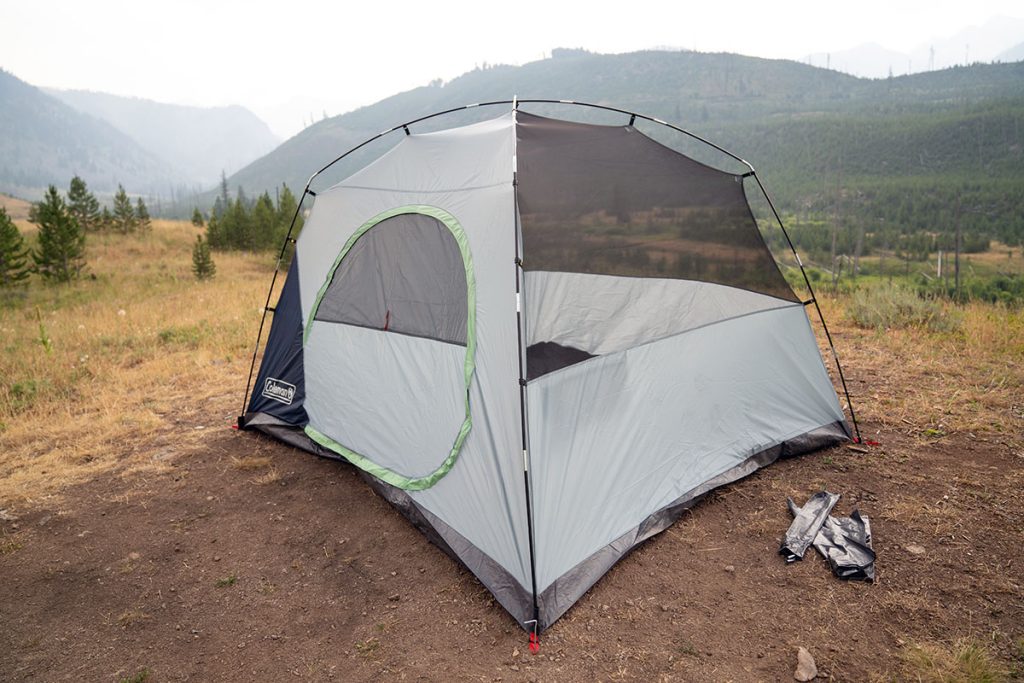
For your first time, look for a “3-season” tent. Always choose a capacity that is one person larger than your group (e.g., a 3-person tent for 2 people) to have room for your bags.
-
Our Pick: Coleman Skydome Tent – Affordable and sets up in under 5 minutes.
B. The Sleeping Bag
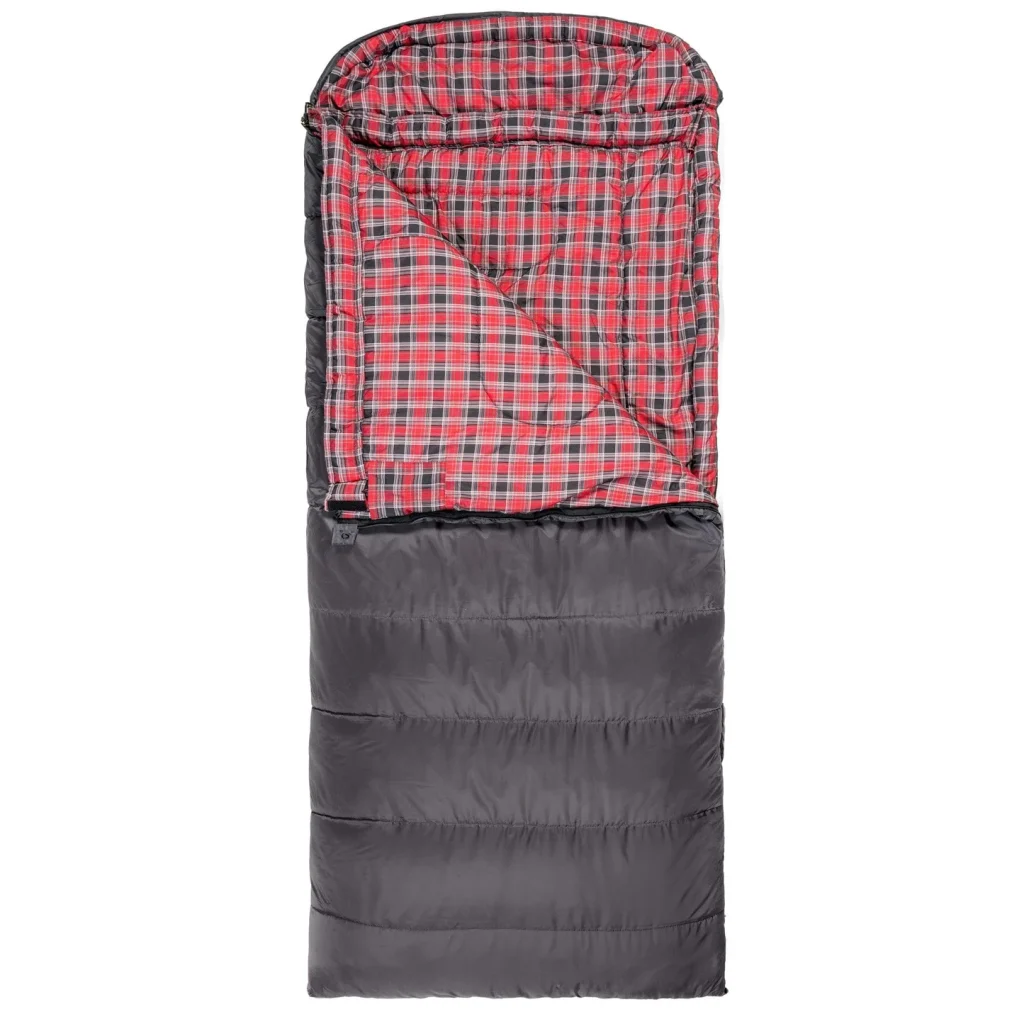
Check the “Temperature Rating.” If you are camping in summer, a 30°F to 40°F bag is usually perfect.
-
Our Pick: TETON Sports Celsius XXL – Soft, warm, and very spacious.
C. The Sleeping Pad
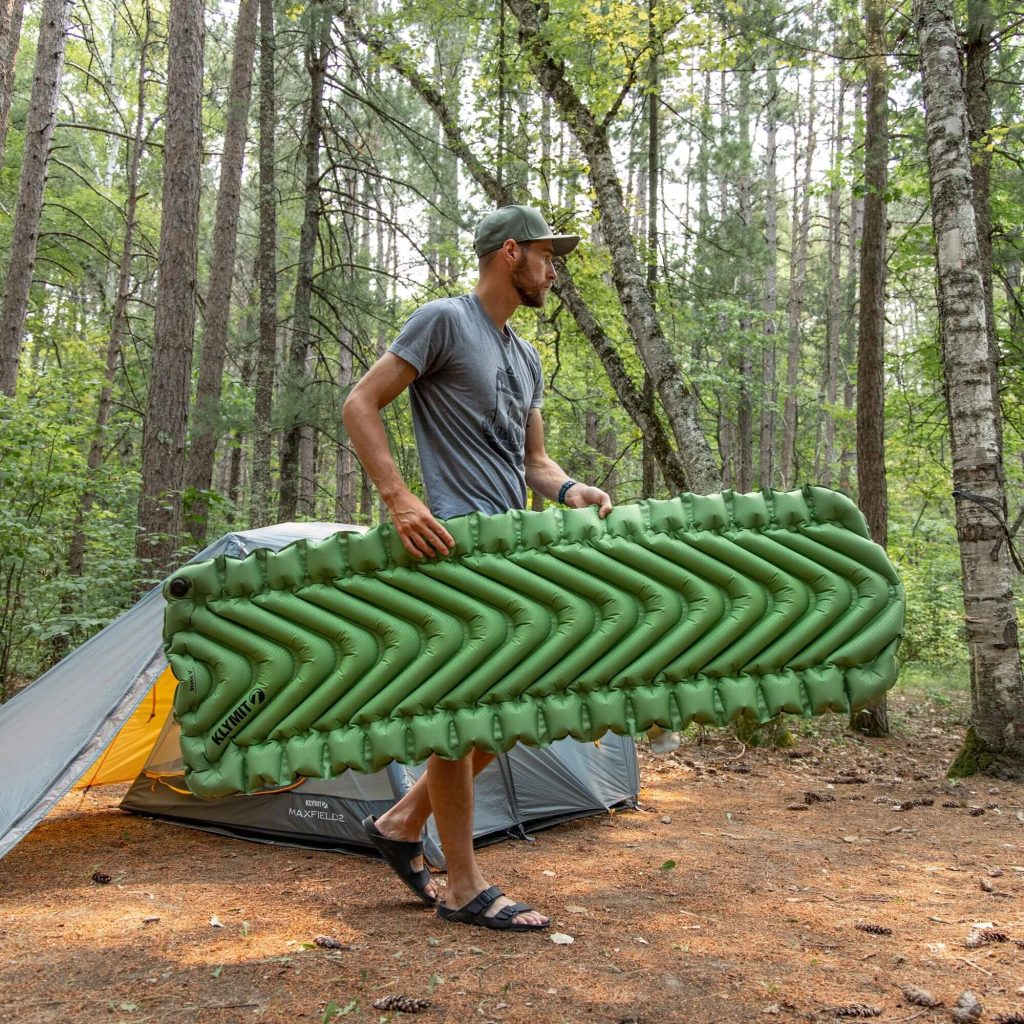
Never skip this! A pad isn’t just for comfort; it insulates you from the cold ground.
-
Our Pick: Klymit Static V – Lightweight, easy to inflate, and very budget-friendly.
3. Beginner-Friendly Camping Checklist
| Category | Must-Have Items |
| Shelter | Tent, Mallet (for stakes), Footprint (ground cloth) |
| Sleep | Sleeping Bag, Pad, Pillow from home |
| Lighting | Headlamp or Lantern |
| Kitchen | Portable Stove, Cooler, Water Bottle, Spork |
| Personal | Sunscreen, Bug Spray, First Aid Kit, Toiletries |
4. How to Find the Perfect Campsite
For your first trip, avoid “primitive” sites. Look for established campgrounds (State Parks or National Parks) that offer:
-
Potable Water: So you don’t have to filter your own.
-
Restrooms: Having a flush toilet nearby makes the transition to the outdoors much easier.
-
Fire Rings: A designated spot to safely build your campfire.
Pro Tip: Use apps like The Dyrt or Recreation.gov to read reviews and see photos of the sites before you book.
5. The “Leave No Trace” Golden Rules
To keep nature beautiful, every beginner should follow these basic principles:
-
Pack it in, pack it out: Take all your trash back home with you.
-
Respect Wildlife: Observe from a distance; never feed the animals.
-
Be Considerate: Keep noise levels down, especially after 10 PM.
6. Common Beginner Mistakes (and how to avoid them)
-
Trying to set up in the dark: Arrive at least 2 hours before sunset so you can see what you’re doing.
-
Not checking the weather: A 20% chance of rain means you should bring your rain jacket just in case.
-
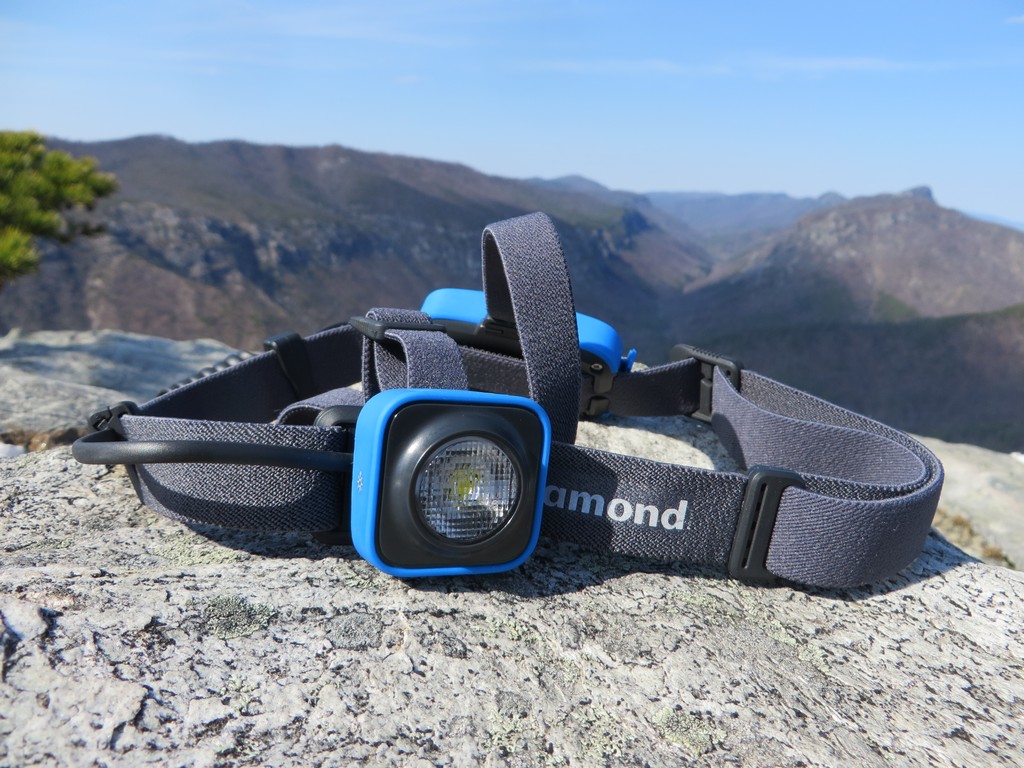
Forgetting a Headlamp: Using your phone flashlight is okay, but a Black Diamond Headlamp keeps your hands free for cooking and chores.
FAQ: Your First Trip
Q: What should I eat?
A: Keep it simple! For your first night, try hot dogs, foil-packet meals, or even just pre-made sandwiches. Don’t forget the S’mores!
Q: Is camping safe?
A: Yes. As long as you store your food properly (see our Wildlife Safety Guide) and stay hydrated, camping is very safe.
Q: How do I stay clean?
A: Use biodegradable body wipes and hand sanitizer. You’ll be surprised how fresh you can feel without a full shower.
Final Thoughts
Camping isn’t about having the most expensive gear; it’s about disconnecting from the screen and reconnecting with nature. Start small, stay close to home, and enjoy the peace and quiet.
Disclaimer: As an Amazon Associate, I earn from qualifying purchases. Welcome to the great outdoors!