
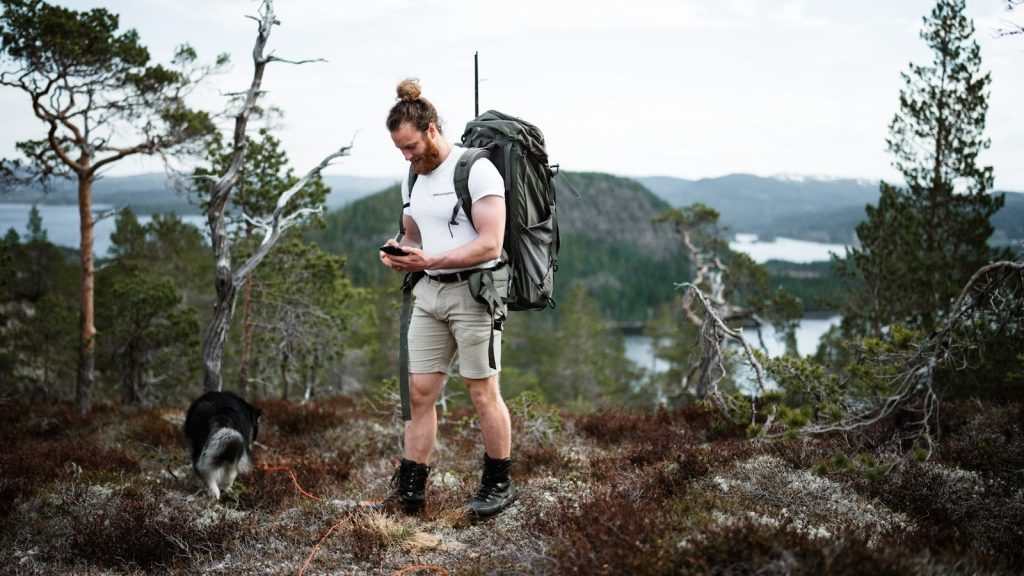
For a dog, a camping trip is the ultimate sensory adventure. But between the crackling Campfire, local wildlife, and unfamiliar terrain, there are hazards every pet owner must manage. Safety goes beyond a simple leash—it involves GPS collars and specialized Pet First Aid skills.
Here is your comprehensive protocol to ensure your dog stays safe, healthy, and happy in the wilderness.
1. The “Invisible Fence” (Tech & Tethering)
Even the best-trained dog can be distracted by a bolting deer.
-
The Gear: Use a GPS Pet Tracker (like Tractive or Fi). If your dog wanders off in a dense forest, you can find them via your smartphone.
-
The Rule: At the campsite, use a Long Tie-Out Cable with a swivel stake to prevent tangling. This gives them freedom while keeping them away from the road or other campers.
2. Wildlife and Parasite Defense
Nature is beautiful, but it’s also home to ticks, mosquitoes, and predators.
-
Tick Check: After every hike, perform a “paws-to-ears” check. Use a Tick Removal Tool immediately if you find a hitchhiker.
-
Wildlife Protection: Never leave dog food out overnight. As we discussed in our Bear Safety Guide, pet food is a massive attractant for bears and raccoons. Store all food in your Bear Canister or vehicle.
3. Hydration and “The Blue-Green” Threat
Just because water is in a stream doesn’t mean it’s safe for your dog.
-
The Risk: Stagnant water can contain Blue-Green Algae or Giardia.
-
The Strategy: Always carry extra water in a Hydration Bladder and use a Collapsible Dog Bowl. If the water isn’t safe for you to drink through your Water Filter, don’t let your dog drink it.
4. Fire and Paw Protection
Rough terrain and hot embers can ruin a dog’s trip quickly.
-
Fire Safety: Keep your dog’s bed at least 6 feet away from the fire pit. Stray sparks can melt synthetic pet blankets.
-
Paw Care: If you’re hiking on sharp rocks or hot sand, use Dog Booties or a Paw Protection Wax to prevent painful pads.
Dog Safety Gear Essentials
| Item | Purpose | Where to Keep It |
| GPS Collar | Location Tracking | On the neck (Always) |
| LED Collar/Light | Night Visibility | On the neck (Night) |
| Pet First Aid Kit | Injury Management | In the Backpack |
| ID Tags | Contact Information | On the collar |
| Cooling Vest | Heat Management | In the tent/car |
3 Rules for Nighttime Safety
-
Be Seen: Use an LED Dog Collar or clip-on light. In a pitch-black forest, it’s remarkably easy to lose track of a dark-furred dog just 10 feet away.
-
Inside the Tent: Your dog should always sleep inside your Dog-Friendly Tent. This protects them from predators (like coyotes) and prevents them from barking at every nighttime noise.
-
The “Scent” Rule: Don’t use strongly scented shampoos before the trip. As noted in our Bug Protection Guide, sweet scents can attract more mosquitoes and flies to your pet.
FAQ: Emergency Situations
Q: What do I do if my dog gets skunked?
A: Keep a “Skunk Kit” in your truck (baking soda, peroxide, and dish soap). Do not let them into the Tent until they are scrubbed!
Q: Is it safe for my dog to be off-leash in the backcountry?
A: Only if permitted by law and if your dog has a 100% recall. Even then, as we discussed in our Mountain Safety Guide, keeping them on a leash is the safest way to avoid snake bites or falls.
Final Thoughts
A safe dog is a happy camper. By using GPS Tracking and practicing wildlife awareness, you ensure that your “best friend” can enjoy the great outdoors for years to come.
Disclaimer: As an Amazon Associate, I earn from qualifying purchases. Happy trails to you and your pup!
Read too: How to Keep Your Dog Warm While Camping: Tips for Cold Nights