
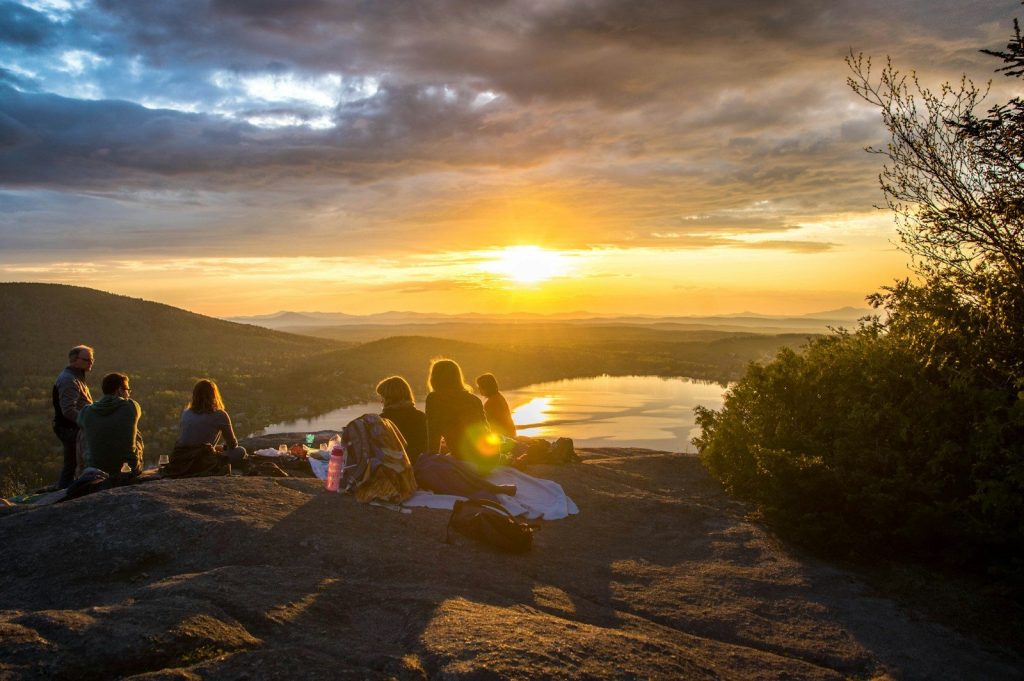
Taking children into the wild is the best way to teach them resilience and respect for nature. However, a campsite presents risks that don’t exist in a suburban backyard. With the help of GPS technology and better educational gear, we can mitigate these risks without stifling their sense of adventure.
Here is the essential safety protocol to ensure your family trip is memorable for the right reasons.
1. The “Whistle Around the Neck” Rule
If a child gets disoriented, their voice might fail them, but a whistle carries for miles.
-
The Gear: Every child must wear a Safety Whistle on a breakaway lanyard from the moment they leave the car.
-
The Training: Teach the “S.T.O.P.” rule: Sit, Think, Observe, Plan. If they get lost, they should stay by a tree and blow three sharp bursts on the whistle.
2. Fire Circle “Red Zones”
The Campfire is where memories are made, but it’s also the #1 site for camping injuries.
-
The Boundary: Use a Reflective Tent Line or a circle of stones to create a 5-foot “no-run zone” around the fire.
-
The Gear: Ensure kids always wear closed-toe Hiking Shoes near the fire to protect against stray embers.
3. Wildlife and “The Sniff Test”
Curious toddlers might see a berry or a bright insect as a snack.
-
The Rule: “Look but don’t touch.” Teach them to identify common hazards like poison ivy or stinging nettles.
-
Food Safety: As we discussed in our Bear Safety Guide, never allow food or gum inside the Family Tent. Animals have a much better sense of smell than we do!
4. Nighttime Visibility
When the sun goes down, it’s easy to lose sight of a child even five feet away.
-
The Gear: Give each child an LED Headlamp or a Glow Stick. It makes them easy to spot and helps them feel secure in the dark.
-
Marking the Tent: Use Solar Lanterns to light up the path to the tent so they don’t trip over guylines.
Kids’ Safety Gear Checklist
| Item | Purpose | Importance |
| Whistle | Emergency signaling | Mandatory |
| Headlamp | Visibility & Safety | Mandatory |
| Identification | Info in pocket/bracelet | High |
| Sunscreen/Hat | UV protection | High |
| Small First Aid | Teaching basic care | Medium |
3 Tips for a Stress-Free Campsite
-
Define Physical Boundaries: Upon arrival, point out clear markers: “Don’t go past that big rock or that blue Water Filter station.”
-
Water Safety: If your site is near a lake or river, that area is “off-limits” without an adult. Even shallow water requires constant supervision.
-
The “Check-In” Routine: Have kids check in with you every 15 minutes if they are playing nearby. It builds a habit of situational awareness.
FAQ: Safety & Health
Q: What if my child is afraid of the dark in the tent?
A: Use a Solar Powered Nightlight. A completely dark tent can be disorienting and lead to panic if they wake up at night.
Q: How do I handle bug bites on kids?
A: Prevention is best. Use Picaridin-based Repellent which is gentler on skin than DEET. If they do get a bite, have a “itch-relief” stick in your First Aid Kit.
Final Thoughts
Safety is about empowerment, not fear. When a child knows their boundaries and how to use their gear, they become a confident camper. By following these rules, you ensure that the only things they bring home are great stories and maybe a few pinecones.
Disclaimer: As an Amazon Associate, I earn from qualifying purchases. Stay safe, explore together!