
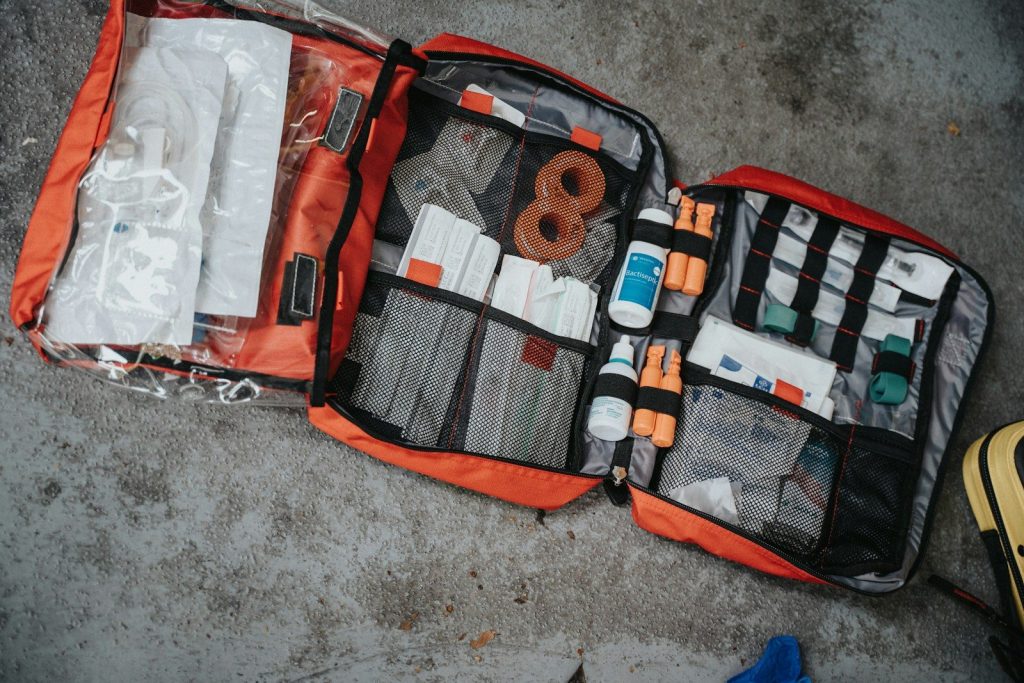
When you’re miles away from the nearest pharmacy or hospital, a well-stocked first aid kit isn’t just a convenience—it’s a necessity. From simple blisters and scraped knees to more serious stings or sprains, being prepared can prevent a small mishap from turning into a wilderness emergency.
In 2026, you can buy excellent pre-made kits, but knowing how to customize them for the trail is what makes you a pro. Here is our guide to the essential first aid gear every camper should carry.
1. The Best Pre-Made Kits (The Foundation)
Starting with a high-quality base is easier than building a kit from scratch.
-
Best for Backpackers: Adventure Medical Kits Ultralight/Watertight .7 – This is the gold standard for hikers. It’s light, and the inner bags are 100% waterproof.
-
Best for Families/Car Camping: Surviveware Large First Aid Kit – This kit is organized with labeled sleeves, so you can find exactly what you need in a panic. It even has a removable small kit for day hikes.
-
Best Budget Choice: First Aid Only 299-Piece Kit – A comprehensive kit that covers all the basics for a very low price.
2. The “Must-Have” Components
If you are building your own or upgrading a store-bought kit, ensure these 5 categories are covered:
A. Wound Care
-
Adhesive Bandages: Various sizes (especially knuckle and fingertip shapes).
-
Sterile Gauze Pads: For larger scrapes.
-
Medical Tape: To secure dressings.
-
Antiseptic Wipes: For cleaning dirt out of cuts.
B. Blister Prevention (The Hiker’s Enemy)
Don’t rely on regular band-aids for blisters.
-
Moleskin or Hydrocolloid Bandages: These act like a second skin and stay on even when your feet are sweaty.
C. Tools & Instruments
-
Fine-tipped Tweezers: Essential for removing splinters and ticks.
-
Medical Scissors: For cutting tape or clothing.
-
Safety Pins: Can be used to secure a sling or repair gear.
D. Medications
-
Pain Relief: Ibuprofen (Advil) or Acetaminophen (Tylenol).
-
Antihistamines: For unexpected allergic reactions or bug bites.
-
Anti-diarrheal: Because a stomach bug in the woods is a nightmare.
E. Emergency Gear
-
Emergency Blanket: A tiny, silver Mylar Space Blanket can prevent hypothermia if you get stuck out overnight.
3. Wilderness First Aid Checklist
| Item Category | Recommended Product | Purpose |
| Complete Kit | Adventure Medical Kits | Base protection |
| Blister Care | Compeed Blister Cushions | Pain-free walking |
| Disinfectant | Alcohol Prep Pads | Wound cleaning |
| Tick Removal | Tick Twister Tool | Safe tick extraction |
| Support | Self-Adherent Wrap | Sprains and strains |
4. Pro Tips for Trail Safety
-
Check Expiration Dates: Once a year (before the season starts), go through your kit. Medications lose potency, and adhesive bandages can lose their “stick” over time.
-
Know How to Use It: A kit is useless if you don’t know how to use a triangular bandage or a tourniquet. Consider taking a basic Wilderness First Aid (WFA) course.
-
Add Personal Meds: Always pack an extra 2-day supply of any personal prescriptions (like EpiPens or inhalers) in case your trip is unexpectedly delayed.
-
Keep it Dry: Even “waterproof” kits should be kept in a dry bag or a simple Ziploc to ensure the contents stay sterile and dry.
FAQ: Camping Safety
Q: Do I need a snake bite kit?
A: Modern medical advice suggests avoiding old-school suction-style snake bite kits, as they can cause more tissue damage. The best “kit” for a snake bite is your cell phone and keeping the victim calm.
Q: Can I use superglue for cuts?
A: In an emergency, yes. But medical-grade skin glue is better. It’s great for deep cuts that won’t stop bleeding, but always clean the wound thoroughly first.
Final Thoughts
Your first aid kit is the one piece of gear we hope you never have to use. But the peace of mind that comes with carrying a Surviveware Kit is worth every ounce in your pack. Stay safe, stay smart!
Disclaimer: As an Amazon Associate, I earn from qualifying purchases. This article is for informational purposes only and is not medical advice.