
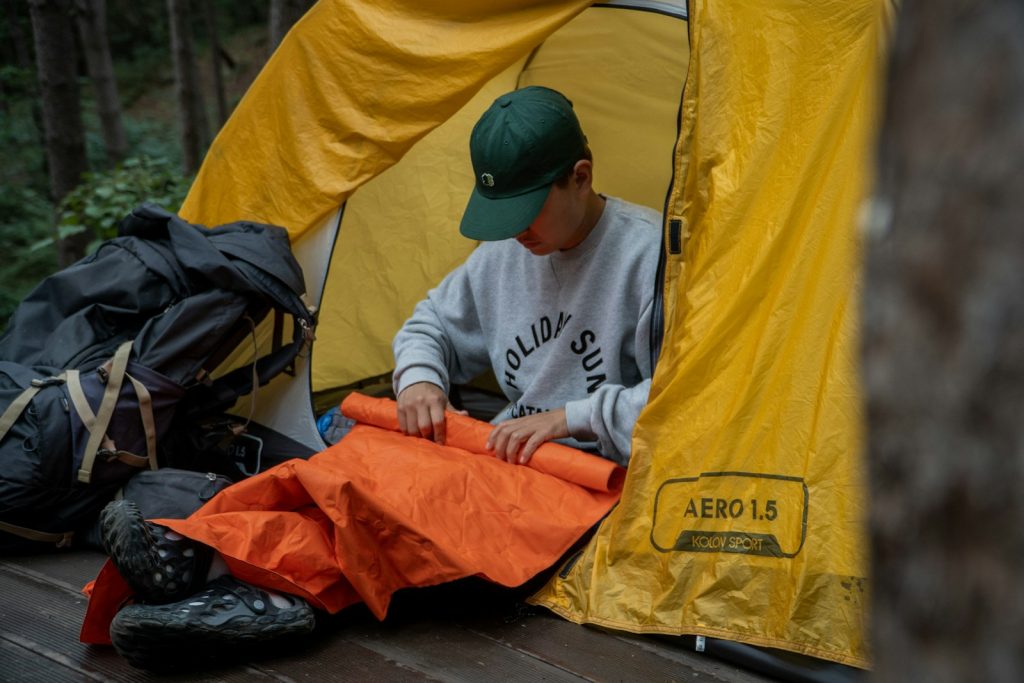
Fall camping offers stunning foliage and crisp air, but once the sun dips below the horizon, the temperature in a tent can drop fast. If you aren’t prepared, a beautiful trip can quickly turn into a shivering nightmare.
To stay cozy, you need to think beyond just a thick blanket. Staying warm is all about moisture management and thermal insulation. Here is how to prep your sleep system and clothing for autumn adventures.
1. The Foundation: Mastering the Base Layer
The biggest mistake beginners make is sleeping in cotton. Cotton traps moisture (sweat) and keeps it against your skin, which chills you to the bone. Instead, you need moisture-wicking base layers.
-
Merino Wool: The “gold standard” for camping. It stays warm even if damp and is naturally odor-resistant.
-
Our Pick: MERIWOOL Men’s/Women’s Midweight Base Layer – 100% Merino wool that feels soft, not itchy.
-
-
Synthetic Blends: A more budget-friendly option that dries incredibly fast.
-
Our Pick: Thermajohn Ultra Soft Thermal Underwear – Lined with fleece for extra comfort during cold October nights.
-
2. Don’t Let the Ground Steal Your Heat
Did you know the ground is actually colder than the air? Without a proper R-value (insulation rating) on your sleeping pad, your sleeping bag won’t save you. For fall, you need an R-value of at least 3.0 to 4.5.
-
Inflatable Insulated Pads: These use internal baffles or foam to trap heat.
-
Our Pick: Klymit Insulated Static V Sleeping Pad – Specifically designed with a 4.4 R-value for cold weather.
-
-
Closed-Cell Foam Pads: Use these as an extra layer under your main pad for “double insulation.”
-
Our Pick: Therm-a-Rest Z Lite Sol – The heat-reflective coating bounces your body heat back to you.
-
3. Insulation Hacks for a Toasty Tent
Once you have the right clothes and pad, use these pro tips to maximize warmth:
-
The Hot Water Bottle Trick: Fill a leak-proof bottle (like a Nalgene Wide Mouth) with hot water and place it at the bottom of your sleeping bag before you go to bed. It acts as a personal heater for your feet for hours.
-
Wear a Beanie: You lose a significant amount of heat through your head. A simple wool hat can keep your entire body feeling warmer.
-
Eat a High-Calorie Snack: Your body is your furnace. Eating a small, high-fat snack (like nuts or chocolate) before bed gives your metabolism the fuel it needs to generate heat while you sleep.
-
Fill the Empty Space: If your sleeping bag is too big, stuff your extra (dry) clothes at the bottom. This reduces the amount of air your body has to heat up.
Fall Insulation Comparison: Merino vs. Synthetic
| Material | Warmth | Breathability | Drying Speed | Price |
| Merino Wool | High | Excellent | Moderate | $$$ |
| Synthetic | Moderate | Good | Very Fast | $ |
| Fleece | High | Low | Moderate | $$ |
FAQ: Cold Weather Camping
Q: Should I sleep with my face inside my sleeping bag?
A: No! Breathing into your bag creates condensation (moisture), which will make your insulation damp and cold. Keep your nose and mouth outside the bag.
Q: Can I use a space blanket inside my tent?
A: Space blankets are for emergencies. For camping, they are noisy and trap sweat. Invest in a proper insulated sleeping pad instead.
Q: Is it warmer to sleep with clothes on or off?
A: Wear a clean, dry base layer. Sleeping naked is a myth; a dry layer of wool provides extra insulation that helps your sleeping bag do its job.
Final Thoughts
Fall camping is one of the most rewarding outdoor experiences, provided you respect the cold. Invest in a Merino base layer and a high R-value pad, and you’ll wake up refreshed and ready for the trail.
Read too: Best Sleeping Bags for Cold Weather: Top 5 Picks to Stay Warm
Disclaimer: As an Amazon Associate, I earn from qualifying purchases. Stay warm out there!